
Understanding the Cost Dynamics
Undertaking home renovations can be a transformative experience, whether you choose to do it yourself (DIY) or hire professionals. Each approach comes with its unique financial trade-offs that can significantly impact your budgeting strategy.
Breaking Down DIY Costs
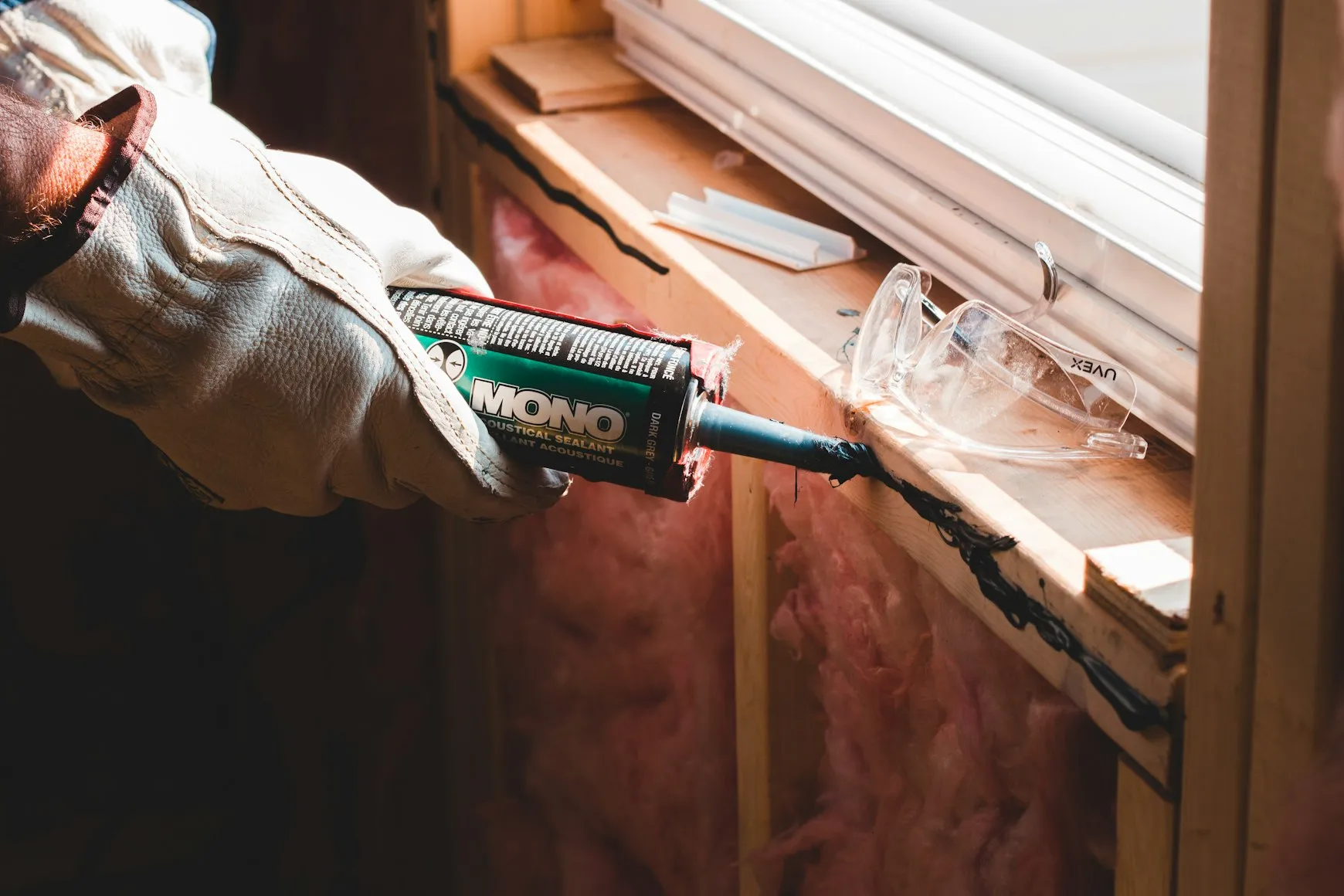
When considering a DIY renovation, many homeowners immediately think of potential savings. Labor costs, which can consume a large portion of a professional renovation budget, are nearly eliminated in a DIY project. However, it's crucial to consider the hidden costs that might arise:
- Materials: As a DIYer, you'll need to purchase all materials yourself. While this gives you control over quality and cost, buying in smaller quantities often leads to higher per-unit prices compared to bulk purchasing available to contractors.
- Tools and Equipment: Tools can be expensive, especially if specialized ones are required. Consider whether you can rent equipment or borrow from a local tool library.
- Time Investment: Time is money. DIY projects often take longer, and the opportunity cost of your time should be factored into the overall expense.
The Financial Implications of Hiring Professionals
Hiring professionals often means paying for expertise and efficiency. Here are some key financial considerations when opting for professional help:
- Labor Costs: Professional fees can be substantial, sometimes comprising up to 40% of your total renovation budget. This cost is typically justified by the quality and speed of work.
- Material Savings: Contractors usually have access to discounts from suppliers, which could reduce your material costs compared to buying retail as an individual.
- Warranties and Insurance: Professional contractors offer warranties on their work and carry insurance, which can save you future repair costs due to faulty workmanship.
Evaluating Your Skills and Project Complexity
Your decision to DIY or hire should heavily weigh on your skill level and the complexity of the project.
When to Choose DIY
If you have experience with similar projects or are willing to learn, DIY can be both rewarding and cost-effective for simpler tasks such as painting, basic landscaping, or installing new light fixtures. For example, updating a backsplash in your kitchen could be a feasible project for a handy homeowner.
When to Hire Professionals
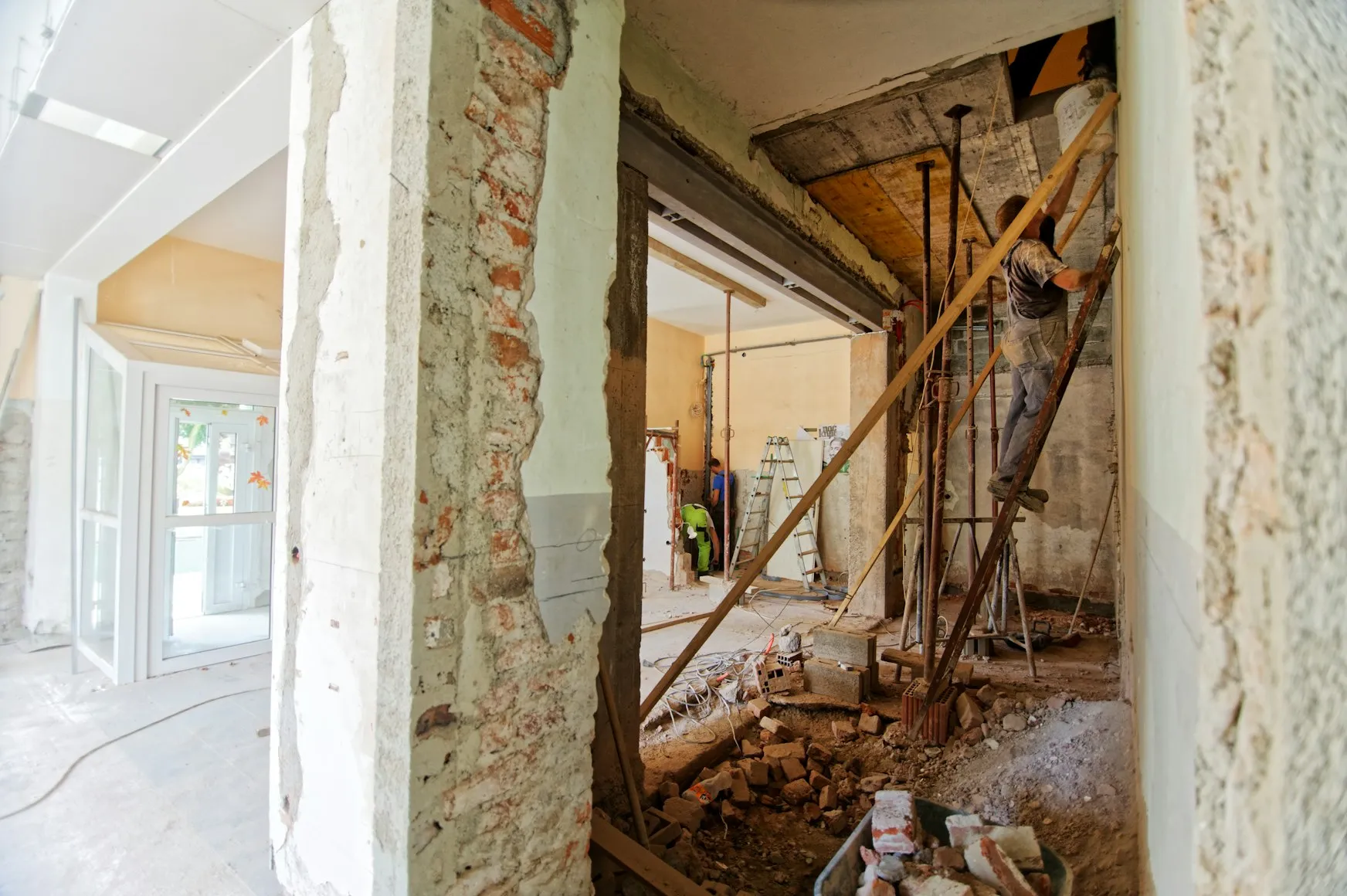
Complex projects involving structural changes, electrical work, or plumbing generally require professional expertise. Not only do these tasks require specialized skills, but they also often need permits and adherence to local building codes. Attempting these without proper knowledge could lead to costly mistakes and safety hazards.
Case Study: The Bathroom Renovation
Consider a modest bathroom renovation as an example. A homeowner might decide to DIY cosmetic changes such as repainting walls or replacing fixtures. These tasks can be completed over a couple of weekends with minimal out-of-pocket expenses beyond materials.
In contrast, a full-scale remodel involving tile work, electrical upgrades, or plumbing should prompt hiring professionals. One couple in Boston discovered the benefits firsthand. They initially attempted a full DIY approach but quickly realized the complexities involved in rerouting plumbing lines. After consulting with a contractor, they found that the long-term savings from avoiding costly mistakes justified the higher upfront cost.
Budgeting Tips for Home Renovations
Whether you choose DIY or hire professionals, careful budgeting remains paramount. Here are some strategies to consider:
- Create a Detailed Plan: Outline each phase of your project and associated costs. Include buffer for unexpected expenses.
- Obtain Multiple Quotes: If hiring professionals, obtain at least three quotes from reputable contractors to ensure competitive pricing.
- Leverage Free Resources: Utilize online tutorials, workshops at local hardware stores, and community forums to educate yourself on DIY techniques and tips.
The Importance of Flexibility
No matter how meticulous your plan, renovations often come with surprises. Being flexible with your budget and timeline can help alleviate stress when things don't go according to plan.
Concluding Thoughts
The choice between DIY and hiring professionals hinges on numerous factors including cost, time, skillset, and project scope. By thoroughly assessing these elements against your financial situation and personal capabilities, you can make an informed decision that not only fits your budget but also brings your home renovation dreams to life efficiently and effectively.