
Understanding Your Home Renovation Needs
Before diving into budgeting for a home renovation, it's crucial to understand what you truly need versus what you want. This distinction will guide every financial decision in your project. Start by making a list of all desired renovations, then categorize them into 'essential' and 'optional' based on their impact on functionality, safety, and property value.
Scenario: The Leaky Roof
Imagine you're planning renovations and your roof has a persistent leak. This issue demands immediate attention as it affects both the safety and integrity of your home. Prioritizing such repairs over aesthetic changes like repainting or adding new fixtures helps ensure the most critical needs are met first.
Setting Priorities and Goals
Next, establish clear goals for your renovation. Are you looking to increase your home's resale value, improve energy efficiency, or simply enhance living comfort? Each objective will influence how funds are allocated.
- Resale Value: Focus on kitchen and bathroom upgrades, as they typically offer the highest returns.
- Energy Efficiency: Invest in insulation, energy-efficient windows, and appliances.
- Comfort: Prioritize open spaces and improved lighting.
Your goals will drive decisions at every stage of budgeting and can help prevent unnecessary spending on less impactful areas.
Research and Cost Estimation
Accurate cost estimation is the cornerstone of an effective renovation budget. Research is key—consult professionals, review material costs online, and consider any hidden expenses that might arise.
Example Workflow: Kitchen Renovation Costs
- Begin by measuring the space to understand material needs.
- Contact suppliers for quotes on materials like countertops and cabinetry.
- Get labor estimates from contractors; consider obtaining multiple quotes.
- Factor in potential permits or additional fees for electrical or plumbing work.
This thorough approach ensures you're not blindsided by unexpected expenses mid-project.
Creating a Detailed Budget Plan
Once costs are estimated, compile a detailed budget that outlines projected expenditures against each component of your renovation. This plan should include:
- Materials: Specific items required, their estimated costs, and where they will be sourced from.
- Labor: Expected hours and rates for contractors or any hired professionals.
- Contingency Fund: At least 10-20% of the total budget to cover unforeseen expenses.
A well-detailed plan acts as a financial roadmap throughout the project.
Tracking and Managing Expenses
Expense tracking is vital to ensure the project stays within budget. Utilize tools such as spreadsheets or dedicated software to record every transaction. Regularly compare actual spending with your budgeted amounts to identify variances early.
Practical Tip: Weekly Reviews
Set aside time each week to review all expenses. This habit helps keep you accountable and provides the opportunity to make adjustments before minor issues become major financial problems.
Avoiding Common Budgeting Mistakes
Renovations often exceed budgets due to common pitfalls. Avoid these mistakes by considering:
- Underestimating Costs: Always round up your estimates to create a buffer against fluctuations in material prices or labor costs.
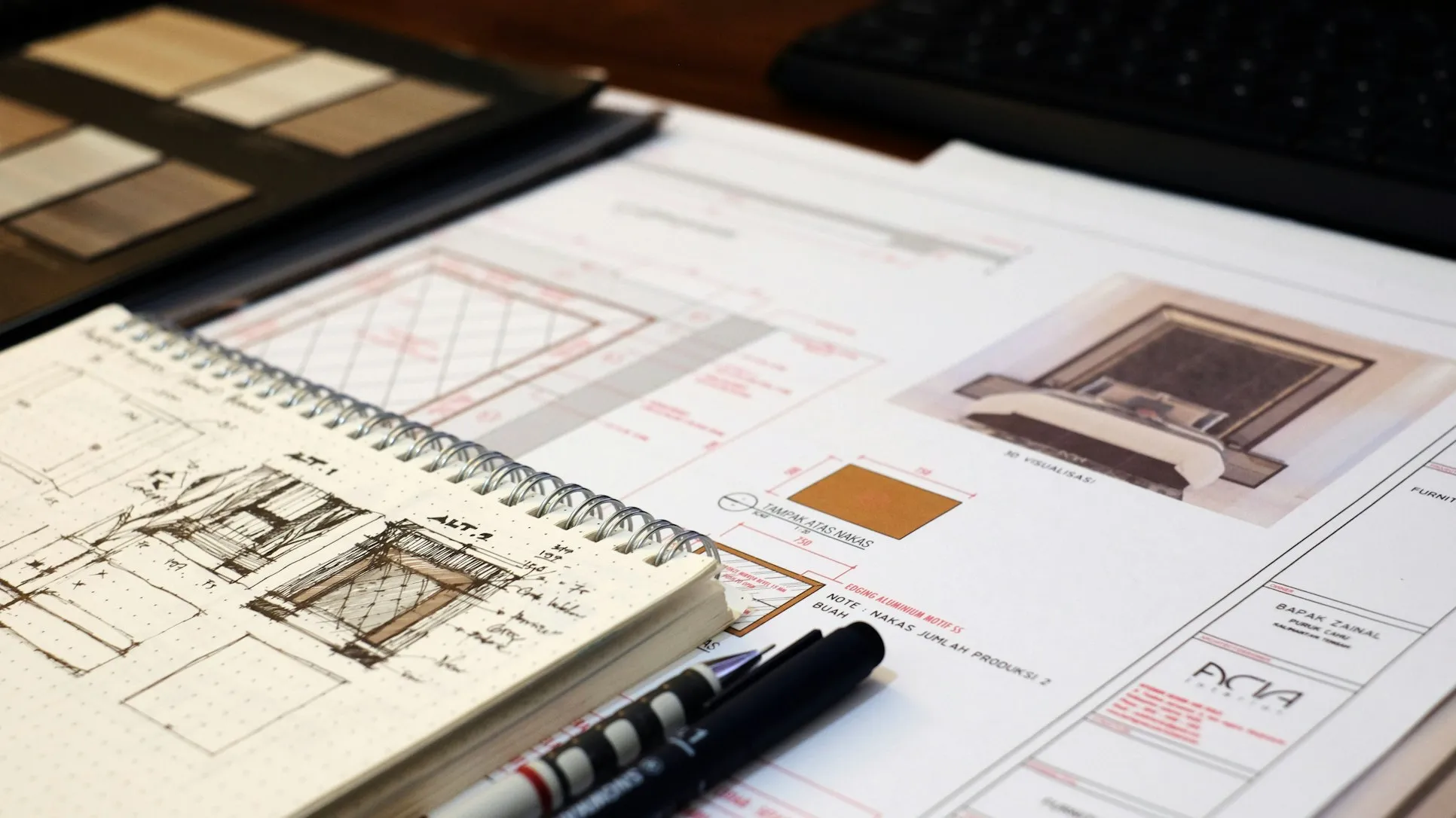
- Neglecting Design Details: Ensure all design elements are finalized before starting to avoid costly changes mid-renovation.
- Lack of Professional Input: Consult architects or interior designers even if you plan to DIY; their expertise can reveal insights into potential challenges and savings.
The Importance of Flexibility
No renovation goes entirely as planned. Being flexible can mean the difference between a successful project and a frustrating one. If something needs adjusting, evaluate how it impacts your primary goals before deciding.
A Realistic Scenario: Unforeseen Plumbing Issues
Midway through a bathroom remodel, you discover outdated pipes that need replacing. While unexpected, addressing this issue aligns with safety and future-proofing goals, justifying a reallocation of funds from less critical areas.
Final Thoughts on Renovation Budgeting
An effective renovation budget requires thoughtful planning, realistic expectations, and disciplined financial management. By prioritizing needs, conducting thorough research, creating detailed plans, and remaining adaptable to changes, homeowners can navigate their renovation projects successfully without overspending.