
Understanding the Importance of Budget Planning
Embarking on a home renovation project without a clear budget is like setting sail without a map. While the journey may be exhilarating, the lack of direction can lead to costly detours. A well-structured budget not only helps you allocate resources efficiently but also ensures that you stay on track with your financial goals.
Setting Clear Objectives
Before delving into numbers, clearly define what you want to achieve with your renovation. Are you aiming to increase the resale value of your home, improve functionality, or simply update an outdated design? Your objectives will guide your budgetary decisions and help prioritize spending.
Breaking Down Essential Costs
A comprehensive renovation budget encompasses various elements, each contributing to the overall cost. Let's explore these critical components in detail:
1. Labor Costs
The cost of hiring professionals often constitutes a significant portion of any renovation budget. Whether you're working with contractors, electricians, or plumbers, understanding labor costs is crucial. For instance, hourly rates for skilled tradespeople can vary widely based on expertise and geographical location. To ensure transparency, obtain detailed quotes from multiple service providers.
2. Materials and Supplies
The quality and type of materials chosen directly influence your budget. Consider durable materials like quartz countertops or engineered hardwood flooring that offer longevity and value for money. An effective way to manage costs is by creating a detailed list of required materials and comparing prices across suppliers.
3. Permits and Licenses
Depending on the scope of your project, you may need to secure various permits and licenses. Failing to comply with local regulations can result in fines and delays. For example, structural changes might require building permits, while electrical work may need special licensing.
4. Unexpected Expenses
No matter how meticulous your planning, unexpected issues can arise during renovations. Allocating at least 10% of your total budget for unforeseen expenses is a prudent practice. This buffer can accommodate issues like discovering mold behind walls or needing additional structural support.
Establishing a Realistic Timeline
Your renovation timeline is intertwined with your budget. Delays can lead to increased labor costs and logistical challenges. Here's how to set a realistic schedule:
Creating a Project Timeline
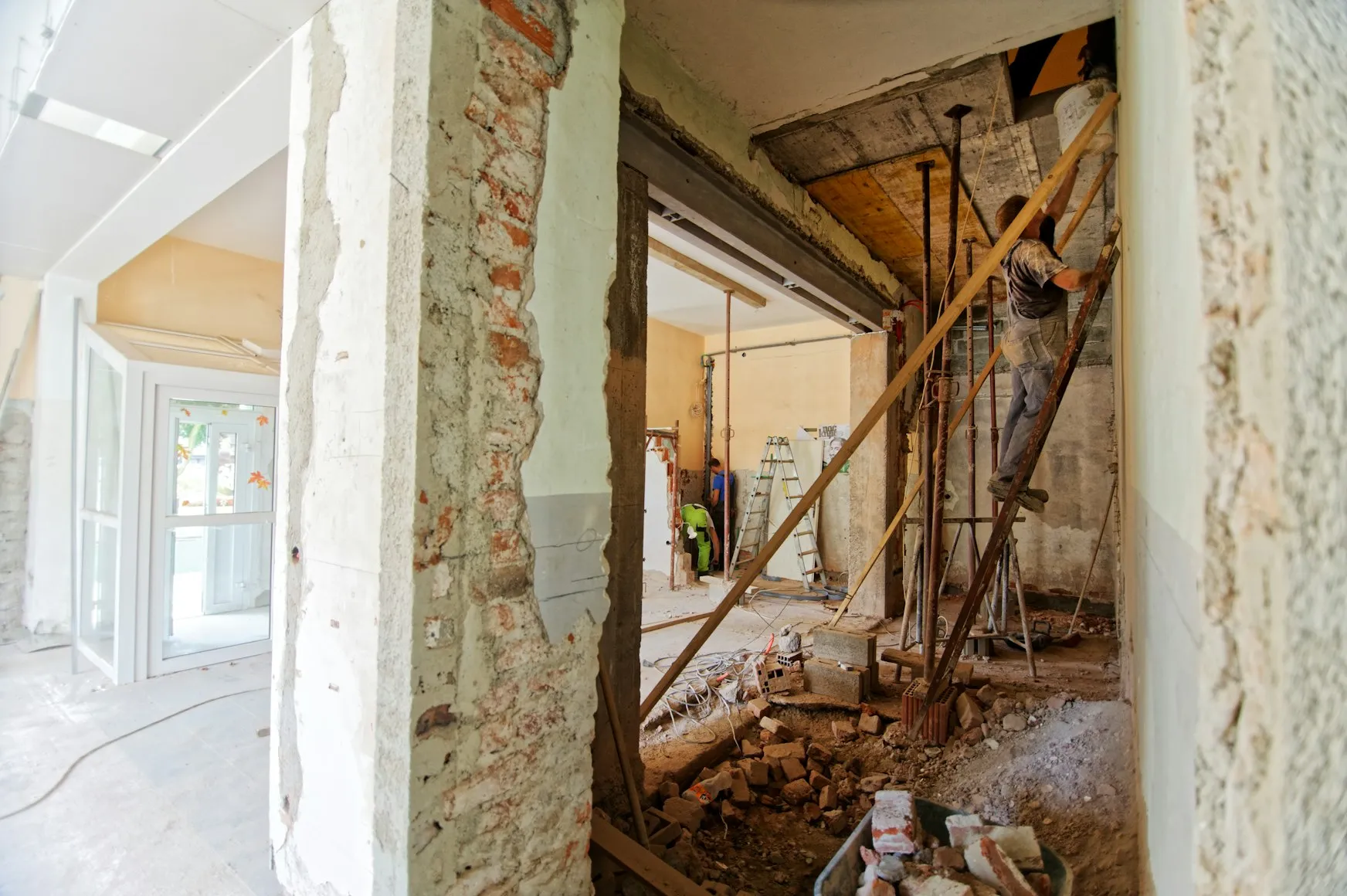
Begin by breaking down the project into phases, such as demolition, construction, and finishing touches. Assign reasonable timeframes for each phase, considering factors like material delivery times and contractor availability. Use tools like Gantt charts or project management software to visualize the sequence of tasks.
Incorporating Flexibility
While having a structured timeline is essential, flexibility is key to accommodating unforeseen changes. Weather conditions, supply chain disruptions, or personal circumstances can impact timelines. Regularly review progress and adjust schedules as necessary to stay aligned with your budgetary constraints.
Prioritizing Tasks Effectively
Once you have a clear understanding of your objectives, essential costs, and timeline, it's time to prioritize tasks:
Essential vs. Non-Essential Improvements
Differentiating between 'must-have' and 'nice-to-have' improvements helps focus resources on critical areas. For instance, if updating plumbing infrastructure is urgent due to leaks, it should take precedence over cosmetic updates like painting or new light fixtures.
- Structural Integrity: Address foundational issues first to prevent future damage.
- Functionality: Prioritize improvements that enhance daily living conditions.
Staggering Projects
If budget constraints are tight, consider staggering projects over time instead of executing everything simultaneously. Start with high-impact changes that align with your goals and expand gradually as finances allow.
Practical Tips for Staying on Budget
To ensure your renovation remains financially viable throughout its duration, follow these practical tips:
Regular Financial Reviews
Conduct monthly reviews of your expenditure against the budget. Identify areas where you may be overspending and make necessary adjustments promptly.
Negotiating Prices
Don't shy away from negotiating with suppliers and contractors for better rates. Building good relationships with local vendors can result in discounts or preferred pricing on materials.
DIY Where Possible
Taking on certain tasks yourself can substantially reduce labor costs. Painting rooms or installing simple fixtures are examples of DIY-friendly projects that can trim expenses.
A Case Study: The Johnson Family's Renovation Journey
The Johnsons embarked on a major home renovation last year with a limited budget of $50,000. Their goal was to modernize their kitchen and add an extra bathroom while maintaining financial discipline.
Step 1: Budget Allocation
The Johnsons allocated $30,000 for the kitchen update and $15,000 for the bathroom addition, leaving a $5,000 contingency fund.
Step 2: Strategic Prioritization
The kitchen upgrade focused on replacing old appliances with energy-efficient models and installing new countertops and cabinetry. For the bathroom, they opted for space-saving fixtures and recycled tiles to cut costs.
Step 3: Navigating Challenges
When unforeseen plumbing issues arose, the Johnsons utilized their contingency fund effectively without disrupting the project timeline.
Outcome
Their disciplined approach not only resulted in beautiful renovations but also enhanced their home's value by approximately 15%, showcasing the power of strategic budgeting.
Conclusion: Turning Plans Into Reality
A successful home renovation isn't just about aesthetic transformations; it's about wise financial planning that ensures long-term benefits. By understanding essential costs, setting realistic timelines, and prioritizing tasks strategically, you can turn your renovation dreams into reality without compromising on quality or financial stability.