The Rise of Reclaimed Materials in Home Renovations
In recent years, reclaimed materials have gained popularity among homeowners seeking both aesthetic charm and sustainability in their renovation projects. These materials, salvaged from old buildings, factories, and warehouses, offer unique character and history that new materials simply cannot replicate.
Yet, choosing between reclaimed and new materials involves weighing factors beyond aesthetics. Cost, availability, durability, and environmental impact must all be considered to ensure a sound investment.
Understanding Reclaimed Materials
Reclaimed materials are often perceived as more sustainable due to their recycled nature. By reusing wood, metal, brick, and other components, homeowners can reduce waste and lessen the demand for new resources. This sustainable practice aligns with growing consumer preferences for environmentally responsible living.
Types of Reclaimed Materials
- Wood: Often sourced from old barns or industrial sites, reclaimed wood is highly sought after for its rich texture and historical significance.
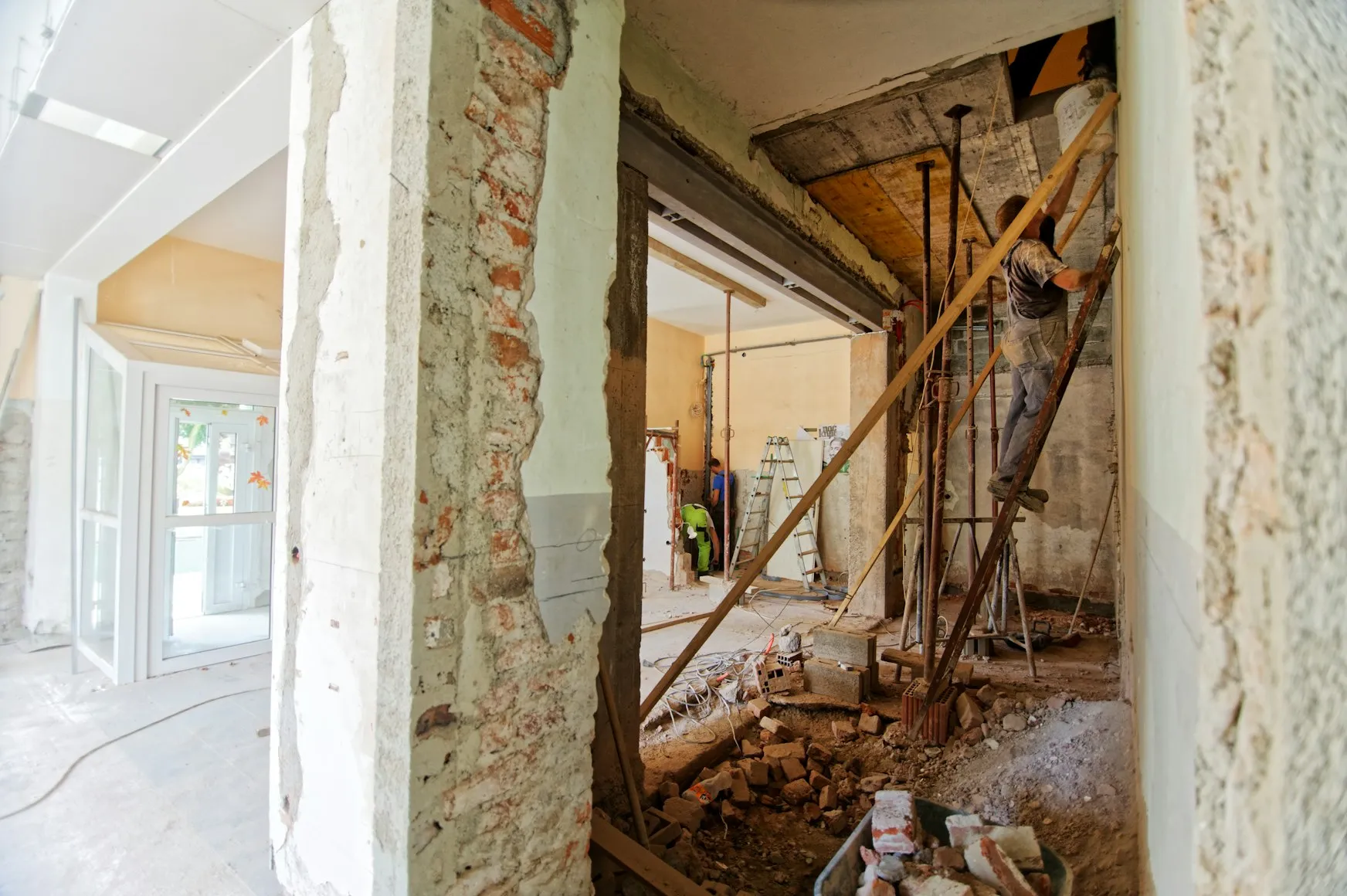
- Brick: Salvaged bricks add a rustic appeal to renovations, especially when aiming for a vintage or industrial look.
- Metal: Old metal fixtures can be repurposed for modern uses while retaining their original patina and craftsmanship.
- Tiles: Vintage tiles bring unique patterns and colors that may no longer be available from contemporary manufacturers.
The Benefits of Using Reclaimed Materials
There are several compelling reasons to opt for reclaimed materials in your renovation:
Sustainability
Reusing materials reduces the environmental impact associated with manufacturing new products. It decreases the demand for raw materials and minimizes the carbon footprint of your renovation project. This is particularly appealing for homeowners committed to eco-friendly living.
Unique Aesthetic Appeal
Reclaimed materials often have a story to tell. The aged appearance, varied textures, and imperfections offer a character that new materials lack. These distinctive features can elevate the visual interest of your home, providing a one-of-a-kind design.
Potential Cost Savings
In certain cases, reclaimed materials can be less expensive than new ones. This is especially true if you source them locally or repurpose items you already own. However, this cost advantage is not always guaranteed, as some reclaimed items may require extensive refurbishment.
The Drawbacks of Using Reclaimed Materials
Despite their many advantages, reclaimed materials also present certain challenges:
Durability Concerns
Reclaimed materials may have suffered from years of wear and tear. Wood might be warped or weakened by exposure to the elements, while metal could be corroded. Ensuring these materials are still structurally sound can involve additional labor and costs.
Limited Availability
The availability of reclaimed materials can vary widely based on location and demand. Finding specific types or quantities of materials can be difficult, potentially causing delays in project timelines.
Hidden Costs
The process of cleaning, repairing, and preparing reclaimed materials can incur unforeseen expenses. These costs can offset initial savings and make reclaimed options pricier than anticipated.
When to Choose Reclaimed Materials
If sustainability and uniqueness are your primary objectives, then reclaimed materials are an excellent choice. They are ideal for projects where aesthetic value and environmental considerations outweigh the need for absolute consistency or uniformity in material quality.
Projects Suited for Reclaimed Materials
- Accent Walls: Use reclaimed wood or brick to create feature walls that serve as focal points in a room.
- Furniture: Craft bespoke furniture pieces that highlight the distinct character of reclaimed wood or metal.
- Decorative Elements: Integrate smaller pieces like tiles or fixtures into decor to add texture and interest without dominating the space.
When New Materials Might Be Preferable
If structural integrity, ease of installation, or precise uniformity are crucial to your project, opting for new materials may be wiser. New materials come with guarantees that often reassure homeowners regarding their long-term performance.
Projects Suited for New Materials
- Load-Bearing Structures: For foundational elements where safety is paramount, new wood or steel ensures reliability.
- High-Moisture Areas: In areas like bathrooms and kitchens where moisture exposure is frequent, new materials might offer better resistance against mold and decay.
- Larger Scale Consistency: When the aesthetic requires uniformity across a broad area (such as flooring), new materials provide consistent color and finish.
Navigating the Decision: A Practical Approach
A balanced approach can sometimes yield the best results. Consider mixing both reclaimed and new materials strategically throughout your renovation. Here’s a simple framework:
1. Define Your Priorities
Categorize what matters most: sustainability, budget constraints, aesthetic goals, or longevity. Rank these priorities to guide your decisions.
2. Assess the Material Suitability
Analyze each potential material's compatibility with your project’s requirements—especially structural roles versus decorative purposes.
3. Calculate the True Costs
Include hidden costs like transportation of heavy salvaged items or potential refurbishments alongside purchase prices for a comprehensive budget estimate.
Conclusion: Weighing Your Options
The decision between reclaimed and new materials in home renovations hinges on a variety of factors that each homeowner must weigh based on personal values and practical needs. While reclaimed options provide sustainability benefits and aesthetic allure, they may not always deliver the functional reliability required for every project component. Conversely, new materials offer predictability but often lack the unique charm that reclaimed items bring to a space.
A thoughtful analysis of your renovation goals coupled with a flexible approach can help achieve a harmonious blend of practicality and style, ensuring your home improvement efforts maximize both value and personal satisfaction.