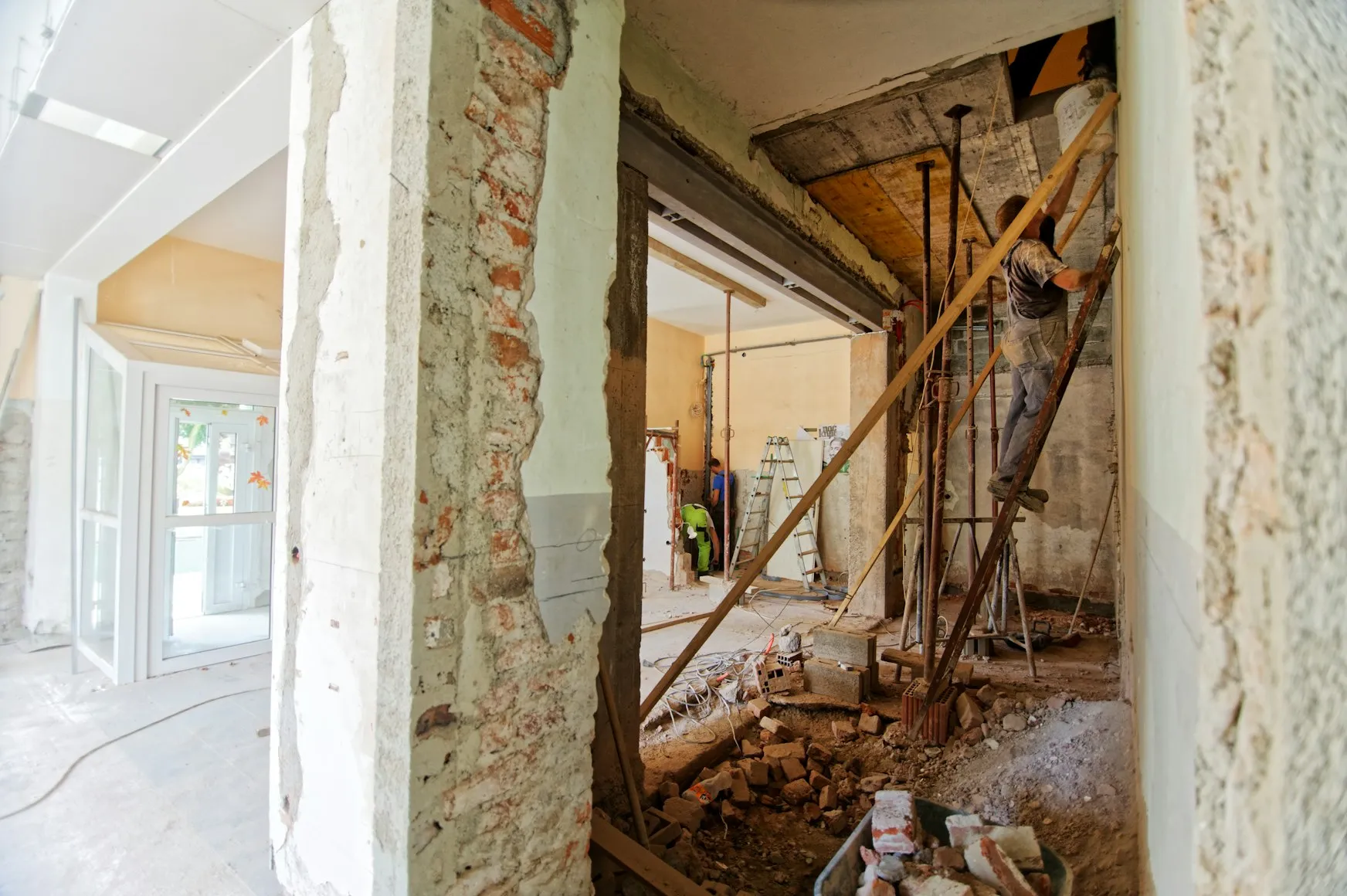

Understanding the Scope of Your Renovation
Embarking on a home renovation project is exciting, yet daunting, particularly when it comes to finances. Establishing a clear understanding of your project's scope is the foundational step to developing a realistic budget. Consider what you want to achieve with your renovation and how it fits into your home's current design and functionality.
Begin by listing all the desired changes, from major structural modifications to cosmetic upgrades. Are you planning to remodel a single room, such as a kitchen or bathroom, or are you considering a more extensive overhaul that involves multiple areas? Identifying these details will help determine the complexity of your project, which directly affects costs.
Setting Your Priorities
When contemplating a renovation, prioritization is key. Determine which aspects of your renovation are essential and which are merely 'nice to have'. This step requires introspection and sometimes tough decision-making. For instance, if your primary goal is to enhance energy efficiency, prioritize improvements like insulation and window upgrades over aesthetic changes.
- Essential Improvements: These could include addressing safety hazards or replacing outdated systems that affect livability.
- Desirable Enhancements: Aesthetic updates such as new paint colors or decorative lighting fixtures can often wait until essentials are covered.
Conducting a Cost Analysis
A thorough cost analysis involves gathering estimates for each component of your renovation. Start by contacting professionals for quotes if you're outsourcing the work. For DIY projects, research material costs online or visit local suppliers. Here's a breakdown of key steps:
Researching Material Costs
Material costs can significantly impact your budget. They vary based on quality and source, so consider different suppliers. For example, high-end materials might be tempting but often exceed budget constraints. Visit stores for price comparisons and check online platforms for deals on bulk purchases.
Comparing Labor Costs
If your renovation requires professional labor, such as electricians or plumbers, collect multiple bids. Labor expenses can differ widely based on geographic location and contractor expertise. It's wise to seek recommendations or consult online reviews to ensure you choose reputable professionals.
Building Your Budget Framework
After defining project scope and collecting cost data, create a budget framework. This framework will serve as your financial blueprint throughout the renovation process.
Allocating Funds
Allocate funds based on your priority list. Essential improvements should receive the majority of your budget allocation. Use the 50/30/20 rule as a guide: 50% of your funds for necessities, 30% for enhancements, and reserve 20% for contingencies.
For example, if you're renovating a bathroom with a $10,000 budget:
- $5,000 allocated to plumbing upgrades and structural repairs.
- $3,000 reserved for optional aesthetics like tiles and vanities.
- $2,000 held in reserve for unforeseen expenses.
Setting Contingencies
Renovations rarely proceed without hiccups, making contingencies crucial. Unplanned issues such as hidden water damage or material shortages can inflate costs. A well-prepared budget includes a contingency fund, typically 10-20% of total expenses, to address surprises without derailing progress.
Choosing Between Financing Options
Your budget's composition may depend on available financing options. Here are three popular approaches:
- Personal Savings: Using savings can prevent debt accumulation but may limit project scale if funds are insufficient.
- Home Equity Loans: These loans offer access to larger sums at lower interest rates by leveraging home equity but risk losing property if repayments falter.
- Credit Cards: Suitable for smaller projects due to high-interest rates; beneficial if cards offer rewards or zero-interest periods.
Select an option that aligns with your financial situation and project magnitude.
Monitoring Spending
A successful renovation budget requires diligent monitoring of expenditures. Regularly update your budget spreadsheet or app with receipts and invoices to track spending against projections.
Adjusting the Budget as Needed
If costs exceed initial estimates, reassess priorities and make adjustments. This might mean deferring non-essential upgrades or sourcing more affordable materials to stay within budget constraints. Flexibility is vital to ensuring financial stability throughout the process.
Conclusion
By carefully identifying costs, prioritizing needs, setting contingencies, and thoroughly researching materials and labor, you can establish a practical renovation budget that supports your vision while maintaining financial health. With careful planning and monitoring, your renovation can proceed smoothly without unwelcome surprises derailing your plans.