Understanding the Basics of Paint Application
When embarking on a DIY home improvement project, choosing the right paint application technique is crucial for achieving your desired aesthetic and functional outcomes. Whether you're revamping an old piece of furniture, adding a fresh coat to your walls, or personalizing your cabinetry, the decision often boils down to two popular methods: traditional brushing and modern spraying.
The Traditional Brushing Technique
Brushing has long been a staple in DIY painting due to its simplicity and versatility. With a brush, you have control over each stroke, which can be particularly advantageous for detailed work or small-scale projects.
- Advantages: Ideal for precision painting and small areas; more control over paint distribution.
- Disadvantages: Time-consuming, may leave brush marks, requires skill for a smooth finish.
Brushes come in various shapes and sizes, from broad wall brushes to small, angular brushes perfect for trim and detail work. Selecting the appropriate brush type is key to a successful paint job. For example, natural bristle brushes are suitable for oil-based paints, while synthetic bristles are better for water-based paints.
The Spraying Technique
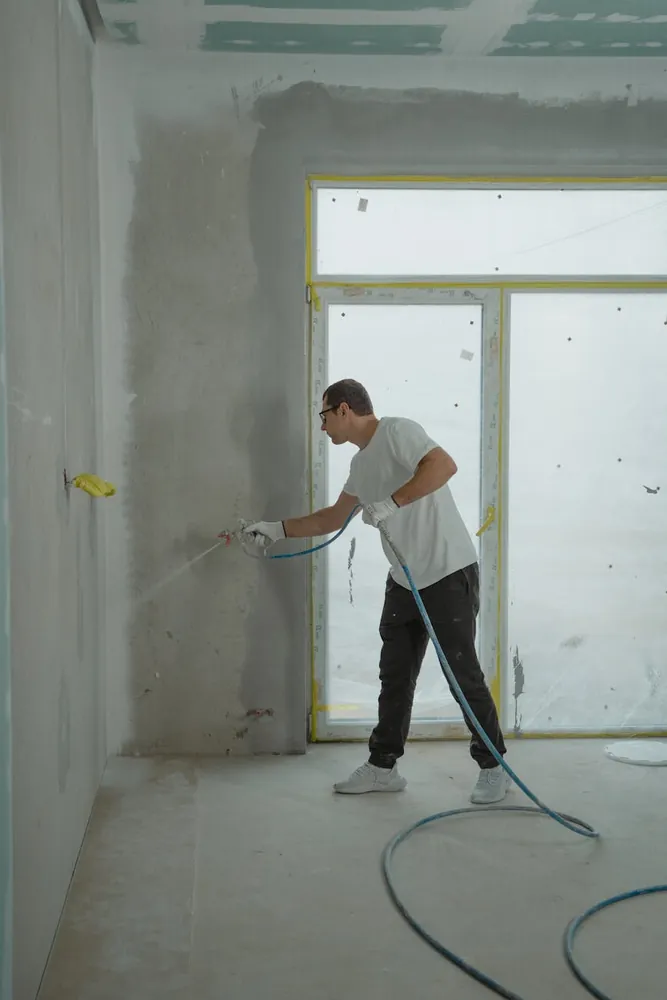
In contrast, spray painting offers speed and uniformity across larger surfaces. It's particularly beneficial when dealing with intricate surfaces where a brush might struggle to reach all the nooks and crannies.
- Advantages: Fast application, even coverage on large surfaces, no brush strokes.
- Disadvantages: Requires masking and more preparation, potential for overspray, equipment cost.
Sprayers vary from handheld models for smaller projects to larger compressor-driven models suited for big tasks. Choosing between these depends on the project scale and desired finish quality.
Choosing the Right Technique for Different Surfaces
The effectiveness of brushing versus spraying often hinges on the surface being painted. Let's explore how each technique fares on different types of surfaces:
Walls and Ceilings
For painting walls and ceilings, spraying can be a game-changer due to its speed and uniformity. It covers broad areas quickly without leaving roller marks that brushing might impart. However, significant prep work is needed to protect floors, trim, and adjacent surfaces from overspray.
Furniture and Cabinetry
When refinishing furniture or cabinetry, both techniques can be effective, but the choice largely depends on the design complexity and desired finish. Spraying provides a factory-like finish that is hard to achieve with a brush. Yet, for detailed woodworking or vintage pieces where character lines are desirable, brushing allows for more control.
Doors and Trim
Doors and trim require a balance between speed and precision. A combination approach often works best—using a brush for detailed edges and spraying for flat surfaces to ensure even coverage without drips or streaks.
Practical Tips for Successful DIY Painting
Preparation is Key
No matter which method you choose, thorough preparation is essential:
- Cleaning: Start with a clean surface. Dust, grease, or loose paint can ruin your finish.
- Sanding: Sand surfaces smoothly to enhance paint adhesion.
- Priming: Apply a primer as it creates a base that improves final paint adherence and longevity.
Equipment Maintenance
Caring for your tools prolongs their lifespan and ensures better results:
- Brushes: Clean with the appropriate solvent immediately after use; shape bristles while wet to maintain form.
- Sprayers: Flush with water or solvent post-use to prevent clogs; inspect parts regularly for wear.
A Mini-Framework for Deciding Between Brushing and Spraying
This framework helps you choose the right painting technique based on specific factors:
- Surface Size and Type: Large flat surfaces benefit more from spraying; intricate designs may require brushing.
- Desired Finish: For a smooth, professional finish without texture marks, consider spraying; if texture or brushwork character is desired, opt for brushing.
- Project Budget and Time: Spraying is generally faster but involves higher upfront costs; brushing may save on equipment but increase labor time.
This comparative analysis reveals that both brushing and spraying have their places in DIY projects. By understanding the unique advantages and challenges of each, you can tailor your approach to match the specific demands of your home improvement tasks.