The Classic Choice: Traditional Tiling
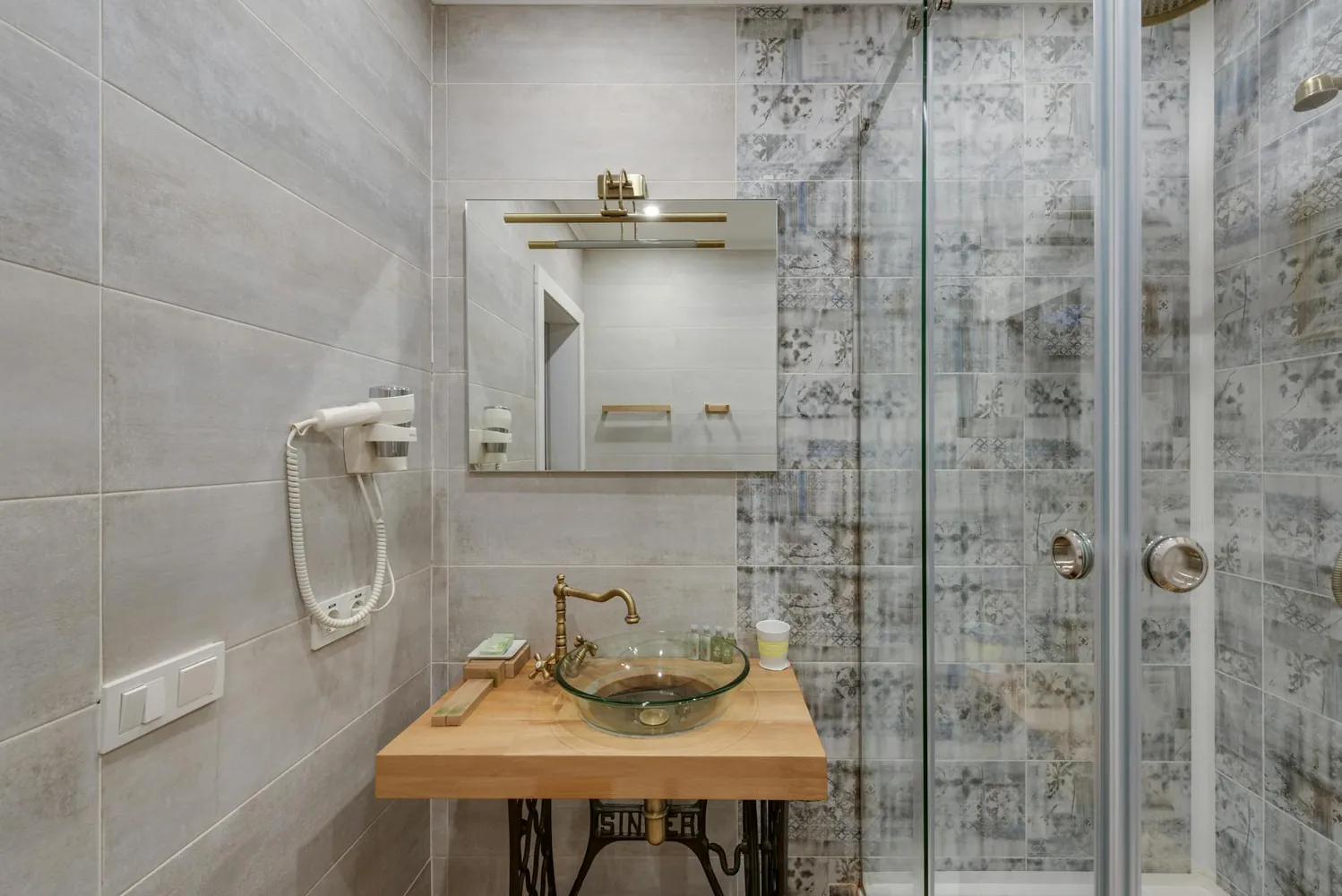
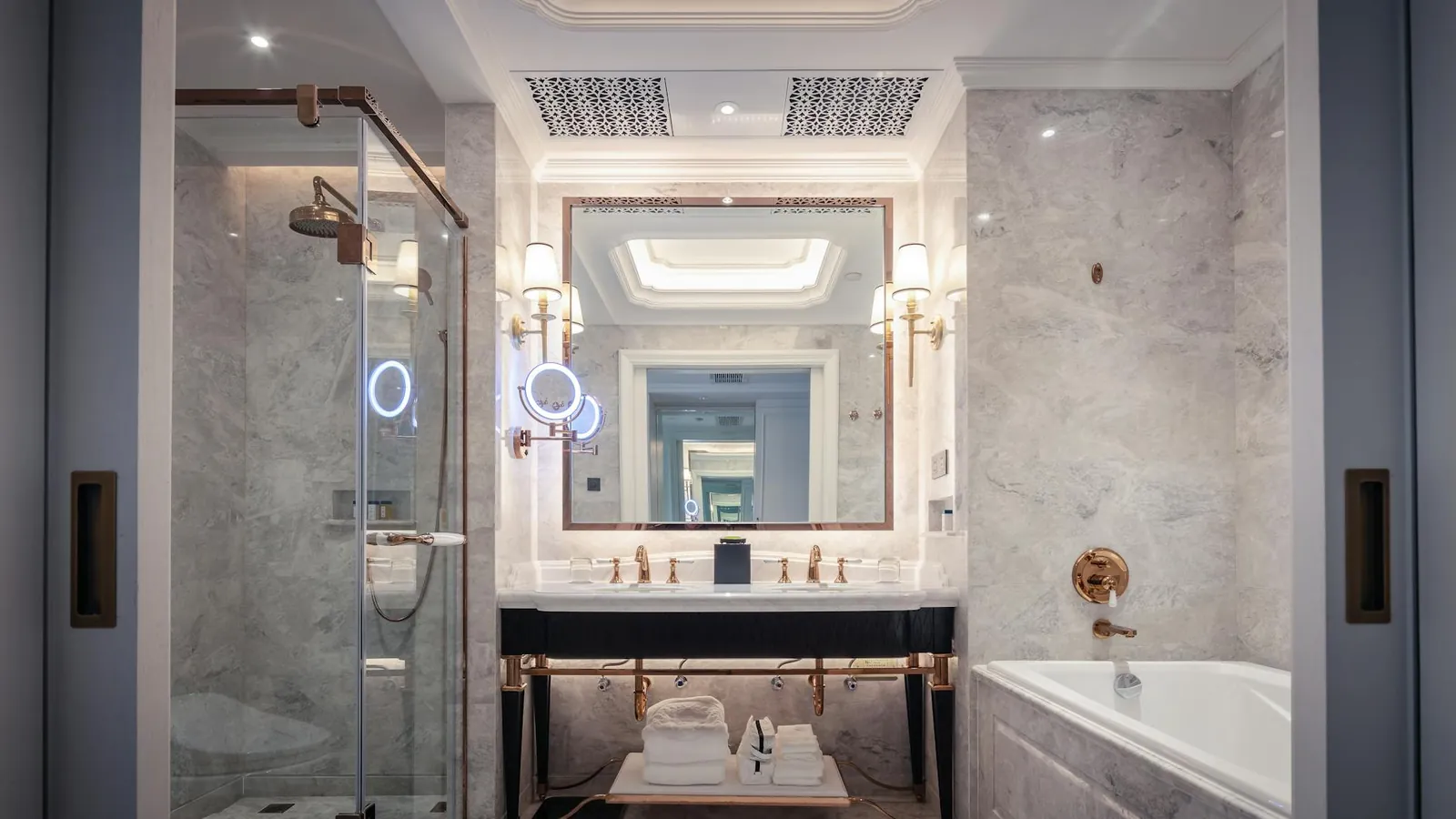
When it comes to bathroom renovations, traditional tiling has long been a staple for its durability and aesthetic appeal. While it may seem like an arduous process, understanding the costs, installation steps, and benefits can make it an appealing option.
Cost Considerations
Traditional tiling typically involves several cost factors:
- Materials: High-quality ceramic or porcelain tiles can range from $5 to $50 per square foot depending on the design and brand.
- Installation: Professional installation costs can add $5 to $15 per square foot, largely influenced by labor intensity and local rates.
- Preparation: Substrate preparation and waterproofing materials can add to overall expenses, often an overlooked component in budget planning.
Despite the higher upfront costs, traditional tiling offers a return on investment through longevity.
Durability and Maintenance
The durability of traditional tiles is unmatched. Porcelain tiles are particularly known for their hardness and resistance to moisture, which is crucial in a bathroom environment. With proper installation and maintenance, tiled surfaces can last several decades without needing replacement.
Maintenance typically involves regular cleaning with non-abrasive cleaners and sealing grout lines annually to prevent mold growth.
Installation Process
The installation process for tiling is intricate, requiring precision at each step:
- Substrate Preparation: Ensure the substrate is level, clean, and dry. A cement backer board is commonly used.
- Layout Planning: Plan your tile layout to minimize cuts and waste. Use spacers to maintain uniform grout lines.
- Application: Apply thin-set mortar using a notched trowel and set tiles carefully. Allow time for curing before grouting.
This method is best suited for those who are experienced DIYers or those willing to hire professional installers for an impeccable finish.
The Modern Convenience: Peel-and-Stick Tiles
Peel-and-stick tiles have emerged as a popular alternative for their ease of installation and budget-friendly nature. Here’s how they measure up against traditional options.
Cost Efficiency
The cost of peel-and-stick tiles tends to be significantly lower:
- Materials: Priced between $1 to $10 per square foot, making them an attractive choice for cost-conscious renovators.
- No Professional Installation Needed: Homeowners can install these themselves, eliminating labor costs entirely.
This approach offers immediate savings, though it's important to weigh these against other factors like longevity.
Durability Concerns
While convenient, peel-and-stick tiles generally lack the durability of their traditional counterparts. They are more susceptible to moisture damage over time, especially in areas with high humidity. However, advancements in technology have improved their resistance to some extent.
Regular maintenance includes checking for peeling edges and re-sticking any loose tiles promptly to extend their lifespan.
Simplified Installation
The peel-and-stick method is straightforward and ideal for novice DIY enthusiasts:
- Surface Preparation: The surface must be smooth, clean, and free from dust. Painted drywall is a common substrate.
- Adhesive Application: Simply peel off the backing and press the tile onto the surface, starting from the center of your planned layout and working outwards.
This option is perfect for temporary solutions or renters who need non-permanent upgrades.
Making the Right Choice
Your decision between traditional tiling and peel-and-stick should take into account several factors such as budget, desired permanence, skill level, and how you envision using your bathroom space in the long run.
When to Opt for Traditional Tiles
- If you're seeking a permanent solution with high durability.
- If your budget allows for higher initial investment with low long-term maintenance costs.
When to Choose Peel-and-Stick Tiles
- If you're on a tight budget or renting where permanent changes aren’t allowed.
- If you desire a quick makeover with minimal tools and preparation required.
Conclusion
No matter which path you choose, both traditional tiling and peel-and-stick methods offer unique benefits that cater to different needs. By evaluating the pros and cons outlined above, you can embark on your bathroom renovation project armed with the knowledge to make an informed decision that suits your lifestyle and financial situation.