
The Aesthetic Appeal of Wood and Metal
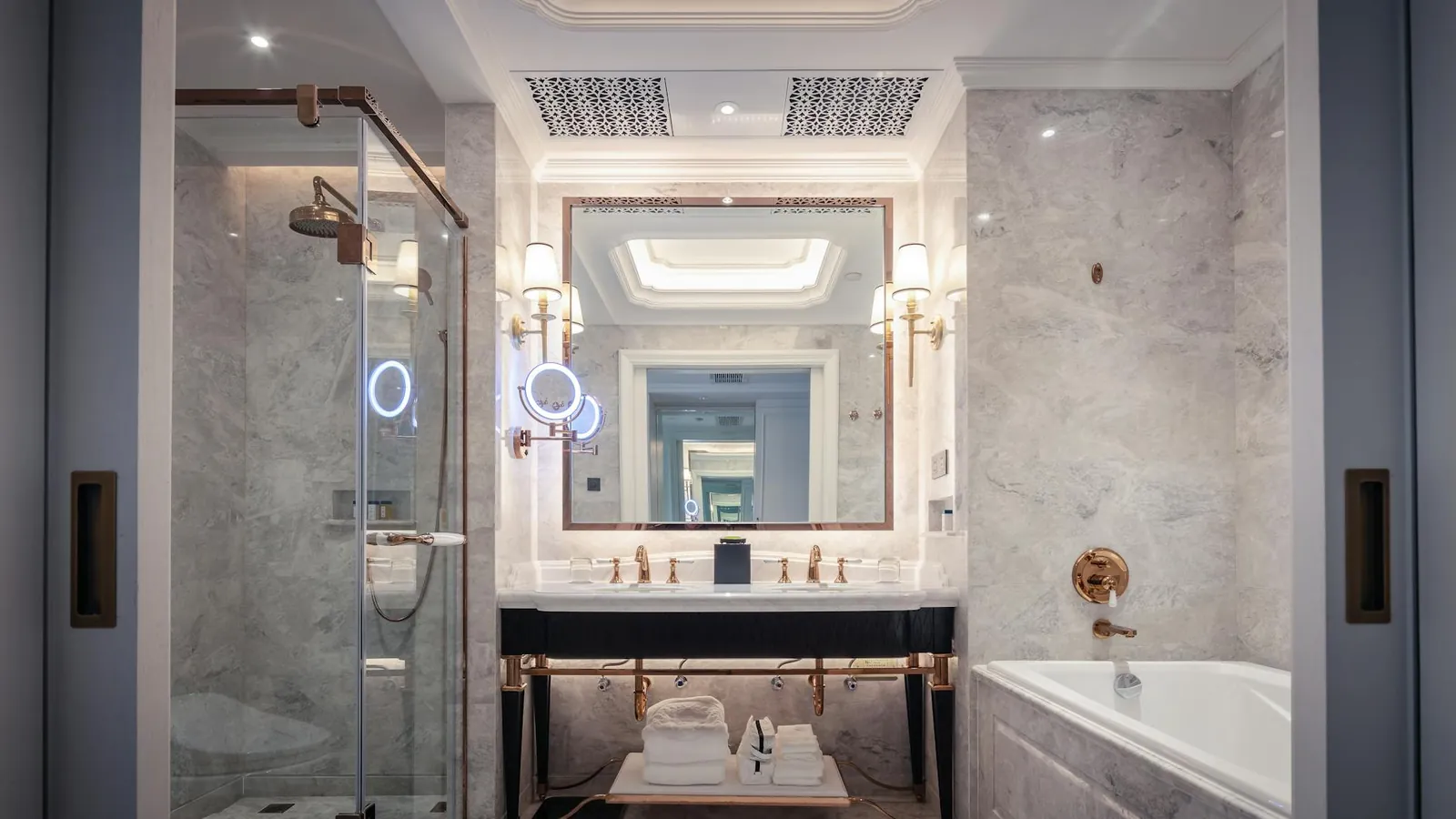
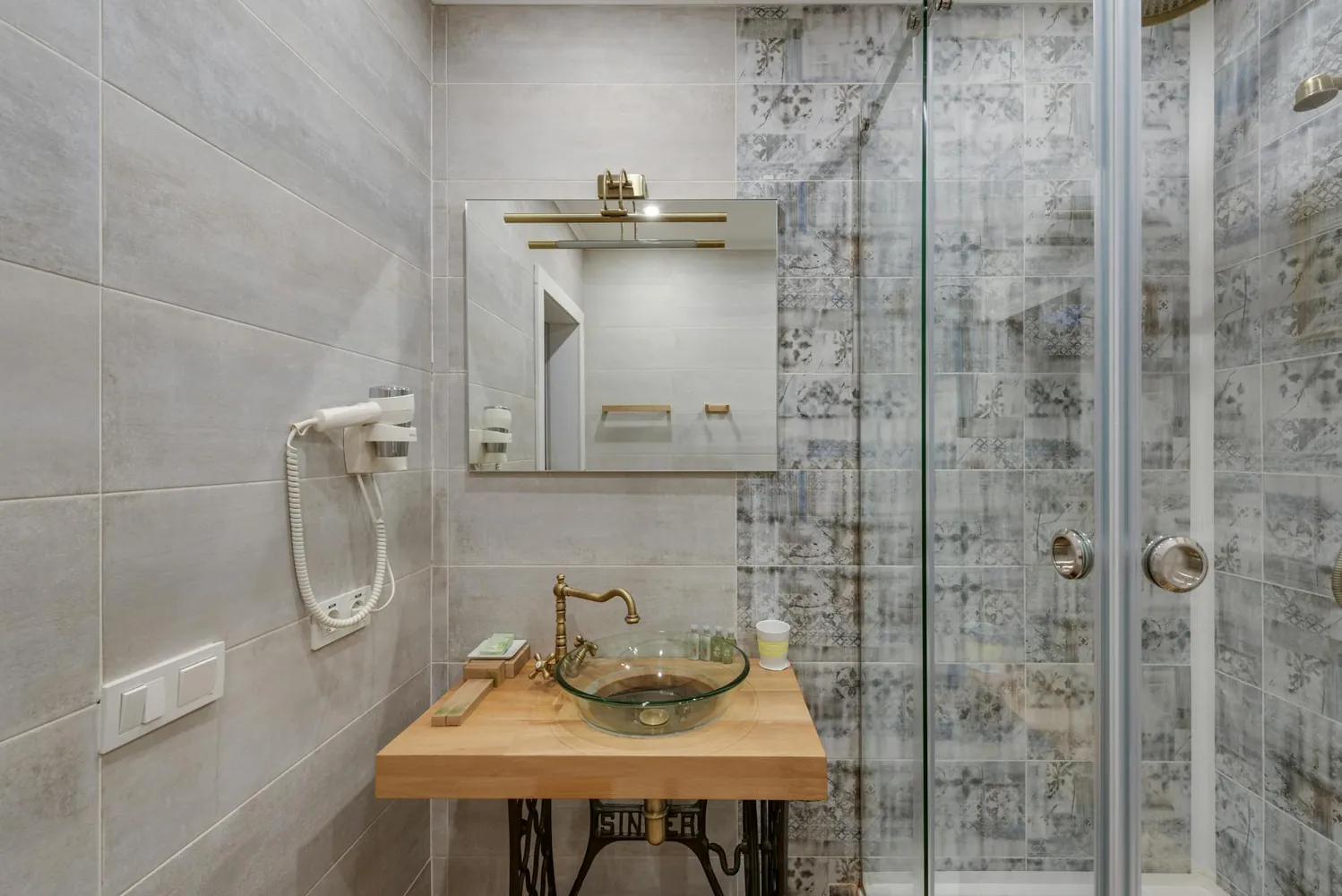
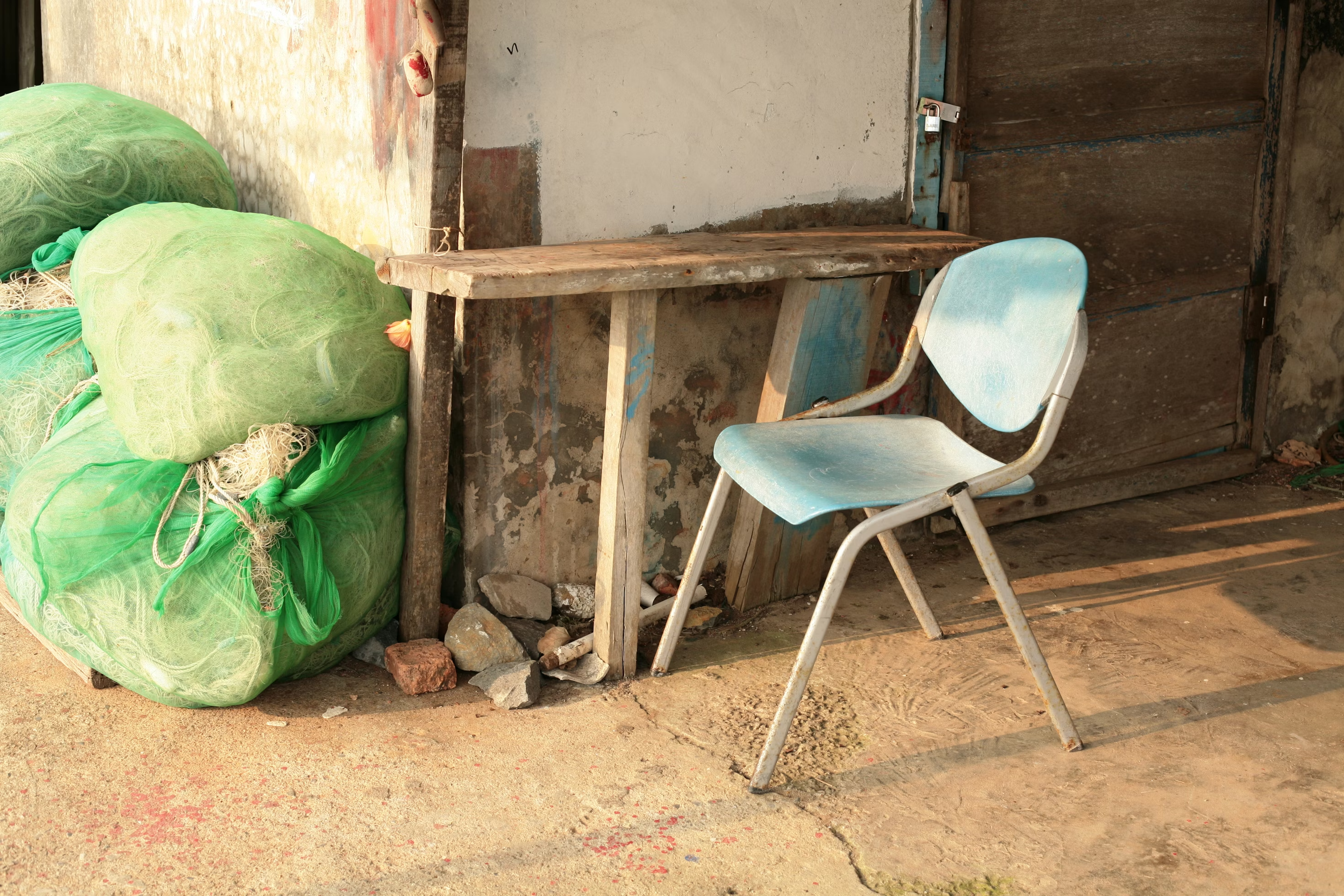
Choosing the right material for your DIY furniture project is pivotal, as it sets the tone for the space. Both wood and metal offer unique aesthetic advantages that can dramatically influence the look and feel of your home. Let's delve into these materials and their specific attributes.
Wood: Warmth and Versatility
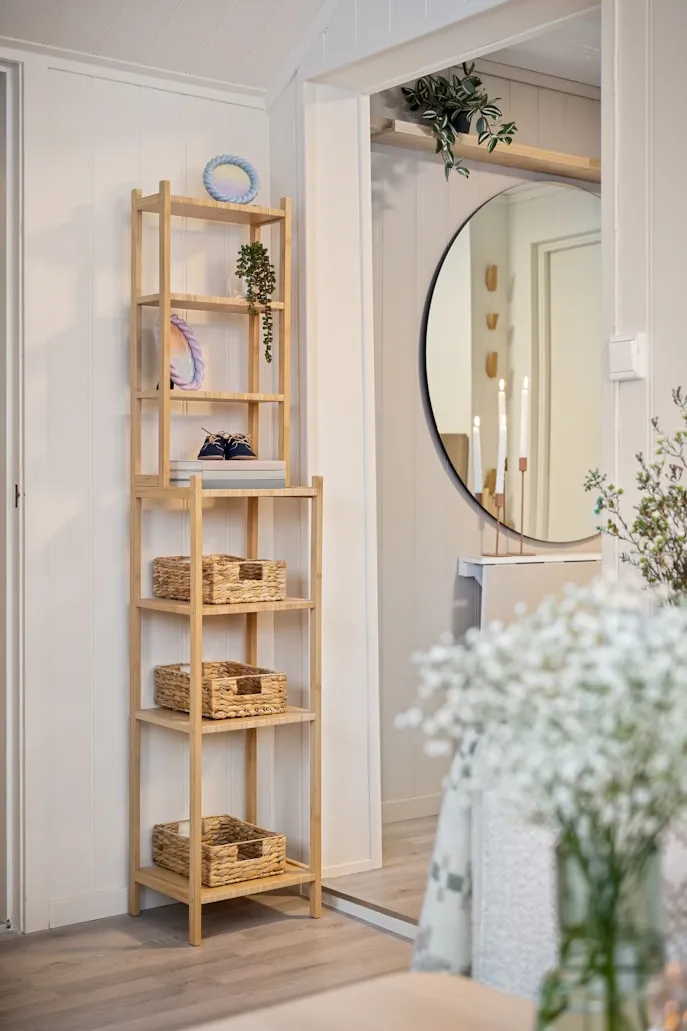
Wood has been a staple in furniture making due to its natural beauty and versatility. Its warm tones and organic textures lend a cozy, inviting atmosphere to any room. Whether you prefer rustic charm or modern elegance, wood can be adapted to suit various styles.
- Variety: From oak's sturdy robustness to cherry's rich hues, wood types are as varied as their uses. This diversity allows you to match different design aesthetics with ease.
- Workability: Wood is relatively easy to work with for DIY enthusiasts. Basic carpentry tools are often sufficient, making it accessible for beginners.
Despite its appeal, wood comes with its challenges. It can be susceptible to moisture, insects, and warping if not properly treated.
Metal: Sleek and Modern
Metal offers a sleek, industrial edge that's perfect for contemporary spaces. Its strength and durability make it an excellent choice for pieces that need to withstand wear and tear.
- Durability: Metals such as steel and aluminum are incredibly strong, offering longevity that surpasses most woods.
- Minimal Maintenance: Unlike wood, metal doesn't require frequent sealing or varnishing to maintain its condition.
However, working with metal can be challenging without specialized tools or skills. Welding equipment, for instance, is necessary for certain projects.
Durability: Which Material Stands the Test of Time?
When considering durability, it's essential to think about how your furniture will be used. High-traffic areas or pieces that serve functional purposes may benefit from the sturdiness of metal. On the other hand, wooden furniture can last generations if properly maintained.
The Strength of Metal
Metal's inherent strength makes it ideal for furniture exposed to heavy use. It's less likely to break or warp under pressure, which is why it's a common choice for items like bed frames and outdoor seating.
Example Scenario: You are constructing a new set of dining chairs. Metal frames might be preferable if you anticipate frequent use and want the assurance of longevity.
The Longevity of Wood
While wood may require more upkeep, its longevity is well-documented. With regular care such as polishing and re-staining, wood can retain its beauty for decades. Choosing hardwoods like maple or walnut can further ensure durability.
Practical Tip: To extend the life of wooden furniture, consider using protective finishes that seal against moisture and pests.
Cost Considerations: Balancing Budget with Quality
Budgeting for your DIY project involves more than just material costs; it includes tools, finishes, and potential repair expenses over time. Here's how wood and metal compare in this regard.
Budget-Friendly Wood Options
Wood's cost can vary significantly depending on the type. Softwoods such as pine are budget-friendly and widely available, making them a popular choice for beginners.
- Tool Costs: Basic woodworking tools like saws and sanders are affordable, reducing initial investment costs.
The Price of Metal
Metals tend to be more expensive than wood upfront. However, this higher initial cost can be offset by its minimal maintenance needs over time.
- Specialized Tools Required: Investment in tools like welders can increase costs but is often a one-time expenditure.
Making Your Decision: Which Material Suits Your Project?
Your choice between wood and metal should reflect the project's purpose, aesthetic preference, budget, and your skill level in handling these materials.
Aesthetic Considerations
If your aim is to create a warm, traditional environment, wood is likely the best choice. For those drawn to modern or industrial styles, metal could provide the desired effect.
Functional Requirements
Consider what function your furniture will serve. For high-stress applications requiring maximum durability, metal might be more appropriate. For decorative items where beauty takes precedence over strength, wood's charm is unbeatable.
A Case Study
Imagine planning a coffee table project. Your space has a minimalist design with earthy tones. Here’s how you might decide:
- If you want a centerpiece with intricate detailing that complements the room's warmth, opt for a wooden table with a glossy finish.
- If durability and sleekness are priorities due to pets or children, consider a metal frame with a tempered glass top.
Step-by-Step Guide: Choosing Your Material
- Evaluate the Space: Consider the room's existing decor to ensure the new piece fits seamlessly.
- Determine Functionality: Decide how much wear and tear the item will experience daily.
- Set Your Budget: Factor in material costs alongside necessary tools and long-term maintenance.
- Assess Skills: Be honest about your DIY skills—select wood for easier manipulation unless you're comfortable with metalwork tools.
Conclusion
The choice between wood and metal for your DIY project ultimately depends on personal preference blended with practical considerations. Both materials have distinct advantages that cater to different aesthetic tastes and functional needs. By assessing your project's requirements against these criteria, you'll be equipped to make an informed decision that enhances your living space both visually and functionally.