Designing the Perfect Modular Shelf System
Creating a modular shelving system that fits your space and style can transform your living area. These shelves offer flexibility, allowing you to adapt their configuration as your needs change. Here’s a guide to designing and crafting your own custom modular shelves using a simple frame-and-shelf design.
Understanding Modular Shelving
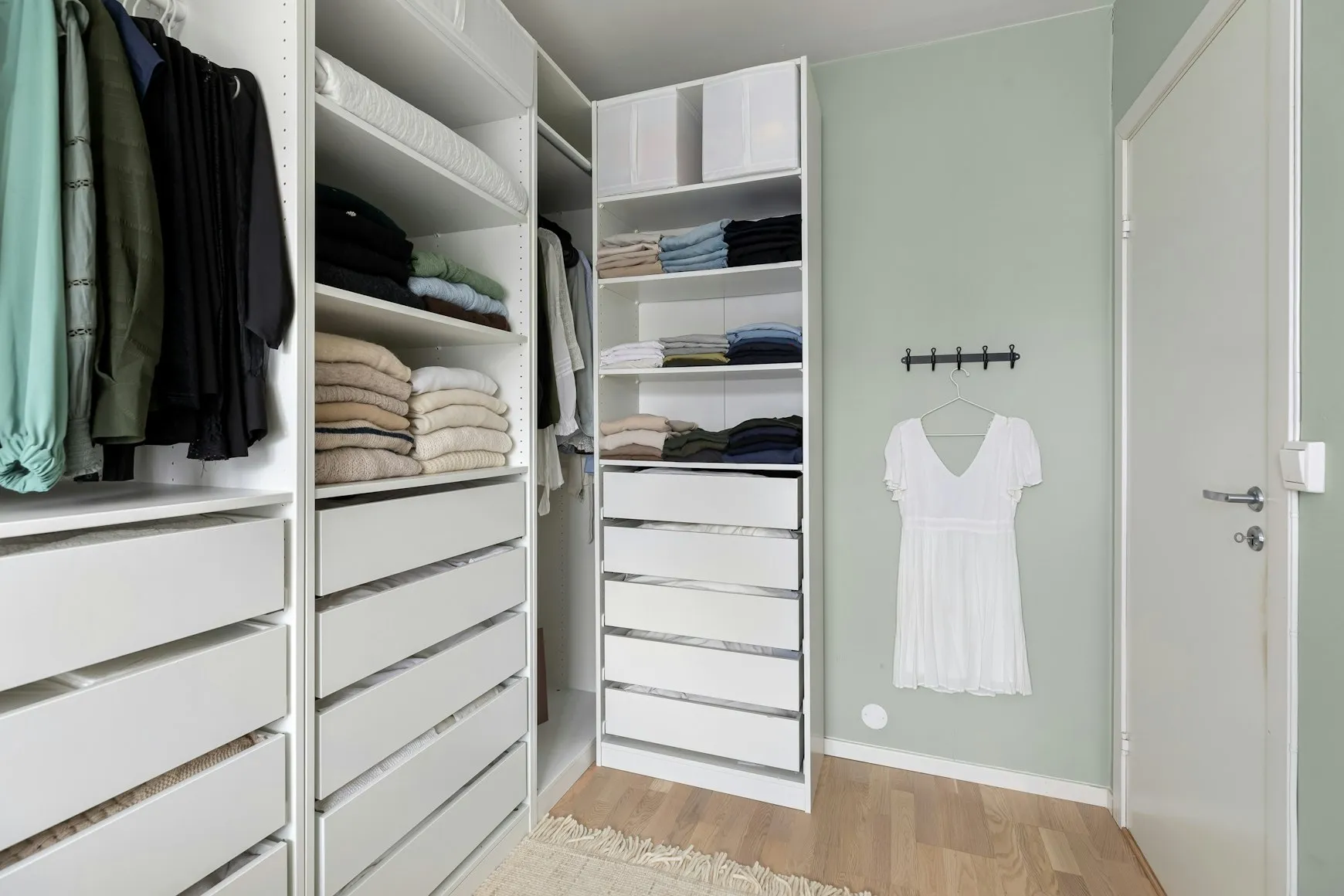
Modular shelves consist of individual units that can be rearranged or customized to suit different spaces and purposes. This type of shelving is ideal for homes where versatility and adaptability are key. They can be expanded, reconfigured, or moved with ease, making them a sustainable choice for home organization.
Materials and Tools Needed
To start your DIY project, gather the following materials and tools:
- Plywood or MDF: These materials serve as the primary structure for the shelves. Choose a thickness between 0.5 to 1 inch for durability.
- Wood screws: Ensure they are suitable for the thickness of your plywood or MDF.
- Adjustable shelf brackets: These will support the shelves and allow for height adjustments.
- Drill and bits: Essential for securing the shelves and brackets.
- Sandpaper: Use this to smoothen edges and surfaces before finishing.
- Paint or wood stain: Personalize your shelves with a finish that complements your interior décor.
Scenario: Creating Shelves for a Small Apartment
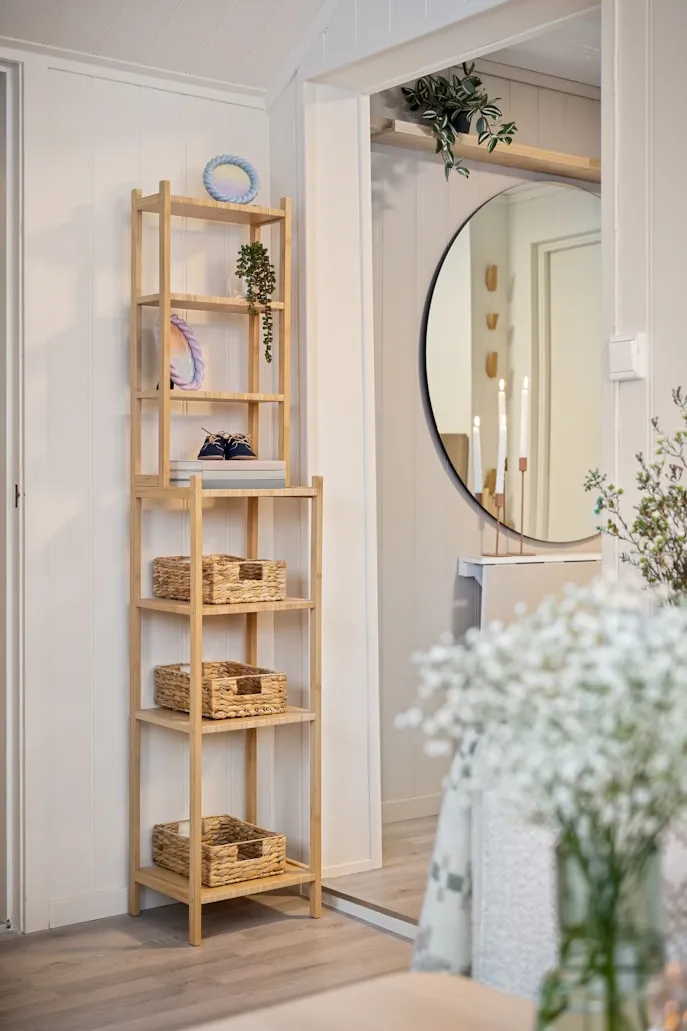
Imagine you live in a compact city apartment with limited storage space. You need a shelving unit that not only stores books but also displays decorative items. A modular shelving system can be designed to fit into a tight corner, maximizing vertical space without overwhelming the room.
Step-by-Step Guide to Building Modular Shelves
Step 1: Plan Your Design
Begin by measuring the area where you intend to place your shelves. Consider the height, width, and depth you want each shelf to have. Sketch a basic plan including dimensions and layout to visualize the final look.
Step 2: Cut Your Materials
Using your measurements, cut the plywood or MDF into panels that will form the sides, top, bottom, and individual shelves of your unit. Accuracy in cutting ensures a seamless assembly process.
Step 3: Assemble the Frame
Create the frame by attaching the side panels to the top and bottom panels using wood screws. Ensure everything is square by checking corners with a carpenter's square before tightening the screws fully.
Step 4: Install Adjustable Brackets
Attach adjustable shelf brackets inside the frame at desired intervals. This allows for easy adjustment of shelf heights based on your storage needs.
Step 5: Finish Your Shelves
Sand all surfaces smooth with fine-grit sandpaper to prepare them for finishing. Apply paint or wood stain according to your taste. Allow adequate drying time as per product instructions before assembling completely.
Step 6: Customize and Install
Once dry, install your shelves onto the brackets. Arrange decorative items, books, and storage bins to reflect your personal style and organizational needs.
Adding Personal Touches
Your shelving doesn’t have to remain static; it can evolve with your style. Here are a few ideas for adding unique touches:
- Add Lighting: Incorporate LED strip lights under each shelf for illumination and ambiance.
- Use Decorative Backdrops: Attach fabric or wallpaper to the back panel for added color and texture.
- Incorporate Plants: Integrate small indoor plants or succulents for a natural element.
A Case Study: Transforming a Living Room
Susan wanted her living room to reflect her love for books and art without cluttering the space. She opted for modular shelves that matched her mid-century modern aesthetic, using walnut-stained wood with brass brackets. The modularity allowed her to adjust for art books and rotating her collection of vases.
Maintenance and Upkeep
A major advantage of modular shelving is its durability and ease of maintenance. To keep them looking their best, dust regularly and occasionally tighten screws as needed. Reapply finishes as necessary to maintain their appearance over time.
Conclusion
Crafting custom modular shelves empowers you to take control of your space’s organization while enhancing its aesthetic appeal. By following this guide, you can create a functional yet stylish addition to any room in your home. Whether you’re looking to store books or display cherished items, these shelves can be tailored to meet all your needs with elegance and efficiency.