The Appeal of Wall-Mounted Planter Boxes
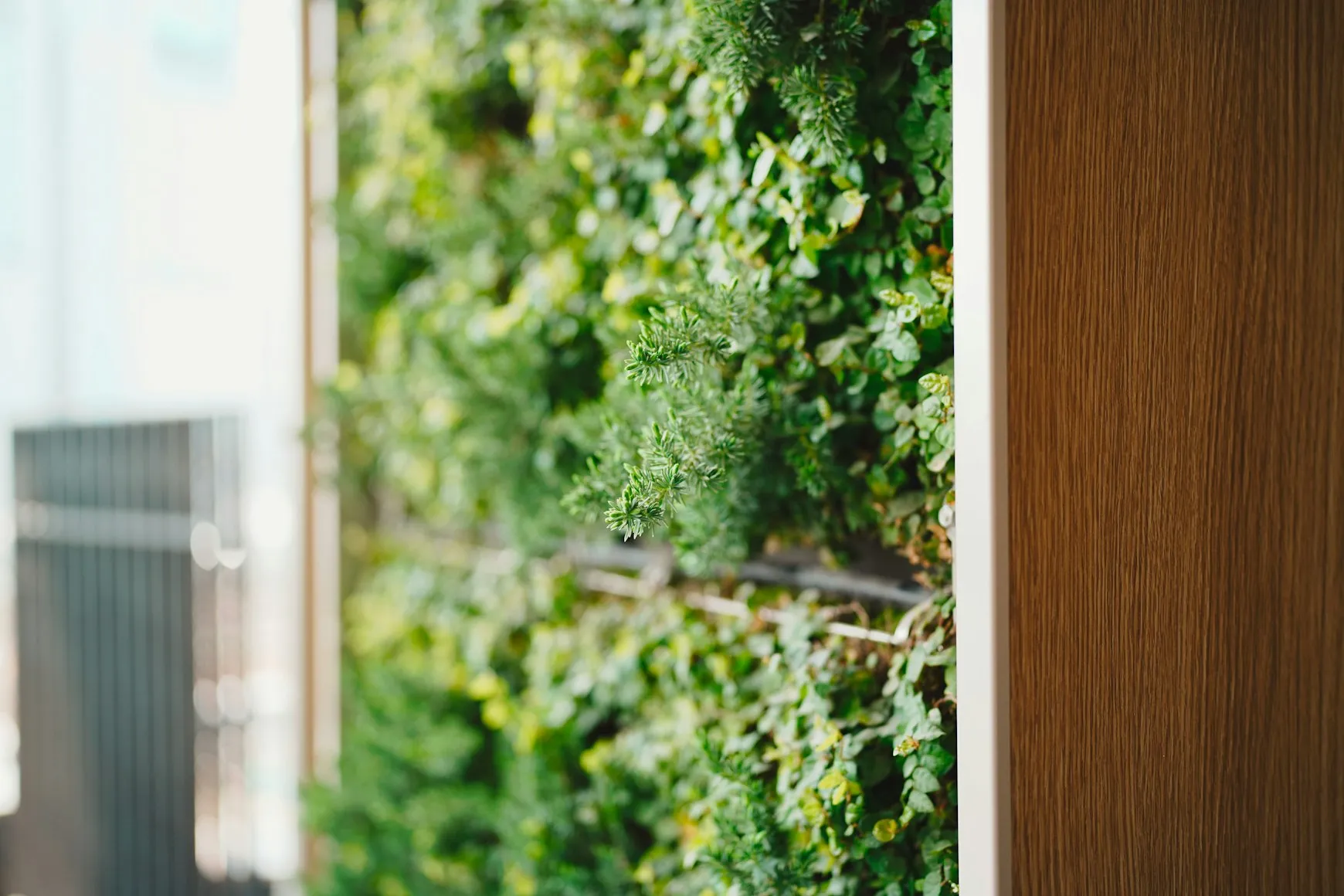
Imagine walking into a room that breathes life. The walls aren't just mere dividers; they are living, breathing parts of your home. Wall-mounted planter boxes provide a refreshing and modern way to bring greenery into your home without taking up valuable floor space. These vertical gardens can transform any dull wall into a vibrant, lively artwork. Whether you're a novice DIYer or an experienced handyperson, creating your own wall-mounted planter box is both a fulfilling and aesthetically pleasing project.
Materials You'll Need
Before you dive in, gather the following materials. This list caters to both beginners and seasoned DIY enthusiasts:
- Wood: Choose between cedar, pine, or reclaimed wood. Cedar is rot-resistant and adds a rustic charm.
- Screws: Use galvanized screws for longevity.
- Drill and Bits: Essential for making pilot holes.
- Wall Brackets: Ensure they can support the weight of your filled planter.
- Saw: A hand saw or power saw will work, depending on your comfort level.
- Sandpaper: To smooth edges and surfaces.
- Measuring Tape and Level: For precise cuts and even mounting.
- Plastic Liner: Prevents water damage to the wood.
- Wood Sealant (optional): To enhance durability and moisture resistance.
Step-by-Step Guide to Creating Your Planter Box
Step 1: Planning Your Design
Start by sketching your desired design. Consider the dimensions of your wall space and the type of plants you intend to grow. Herbs, succulents, or flowering plants can all thrive with adequate light and care.
For beginners, a simple rectangular box is ideal. More advanced DIYers might explore tiered designs or hexagonal boxes for added visual interest.
Step 2: Cutting the Wood
Measure twice, cut once. This age-old adage holds true here. Use your measuring tape to mark the wood according to your design. Remember, precision is key. Cut the pieces using your saw, ensuring that each piece fits together perfectly.
If working with reclaimed wood, embrace imperfections like knots or nail holes—these add character!
Step 3: Assembling the Box
With your pieces ready, begin assembling your planter box. Drill pilot holes to prevent the wood from splitting, then use screws to join the pieces securely. Assemble the sides first, followed by the base.
If your design includes a back panel (ideal for securing directly onto walls), attach it last. Use a level to ensure all parts align properly.
Step 4: Sanding and Sealing
Smooth all surfaces and edges with sandpaper, focusing on corners where hands might touch frequently. If desired, apply a coat of wood sealant for extra protection against moisture.
Step 5: Adding the Liner
Line the inside of the planter box with a plastic liner. This step is crucial as it prevents direct contact between soil and wood, reducing the risk of rot. Secure the liner with staples or a staple gun.
Mounting Your Planter Box
Selecting the Right Spot
Your plants will need sufficient sunlight, so choose a wall that receives ample natural light throughout the day. Avoid areas where temperature fluctuations are extreme, such as near heat sources or drafty windows.
Securing to the Wall
Use wall brackets that match the weight capacity needed for your filled planter. Attach them securely to studs in the wall for maximum stability. If necessary, use wall anchors to support lighter loads in drywall.
A level ensures your planter hangs straight—adjust as needed before securing all brackets tightly.
Caring for Your Wall-Mounted Plants
The success of your wall-mounted planter doesn't end at construction. Regular maintenance ensures longevity and plant health:
- Watering: Adjust frequency based on plant type and season. Over-watering can lead to root rot.
- Pruning: Trim dead or overgrown foliage regularly to encourage healthy growth.
- Pest Management: Inspect plants routinely for signs of pests or diseases and address promptly.
Troubleshooting Common Issues
Sagging Planter Box
If you notice sagging over time, check bracket alignment and tightness of screws. Reinforce with additional brackets if necessary to redistribute weight more evenly across the wall.
Water Damage
Should you spot water damage on wooden surfaces or walls, consider adding more drain holes or improving liner coverage to protect vulnerable areas better.
Your Living Art Piece
The beauty of wall-mounted planter boxes lies in their ability to transform simple structures into living art installations. They not only serve practical purposes—like growing fresh herbs for cooking—but also offer aesthetic appeal that enriches any home's interior.
By following this guide, you can create stunning vertical gardens that reflect your personal style while contributing positively to indoor air quality and overall ambiance. Enjoy watching your DIY project flourish!