Understanding the Need for Custom Modular Shelves
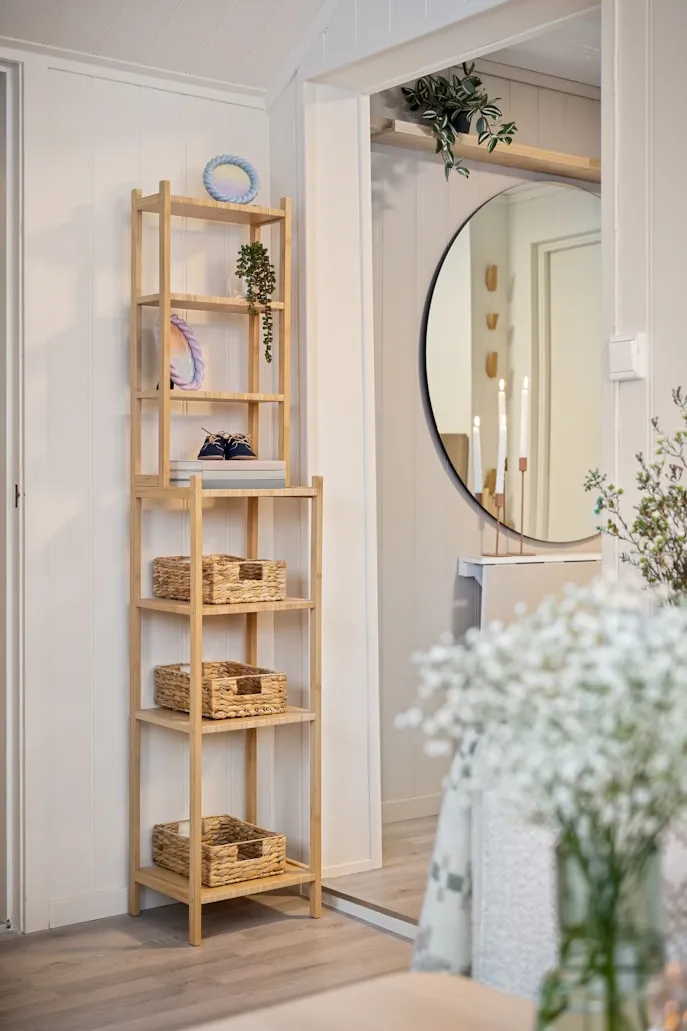
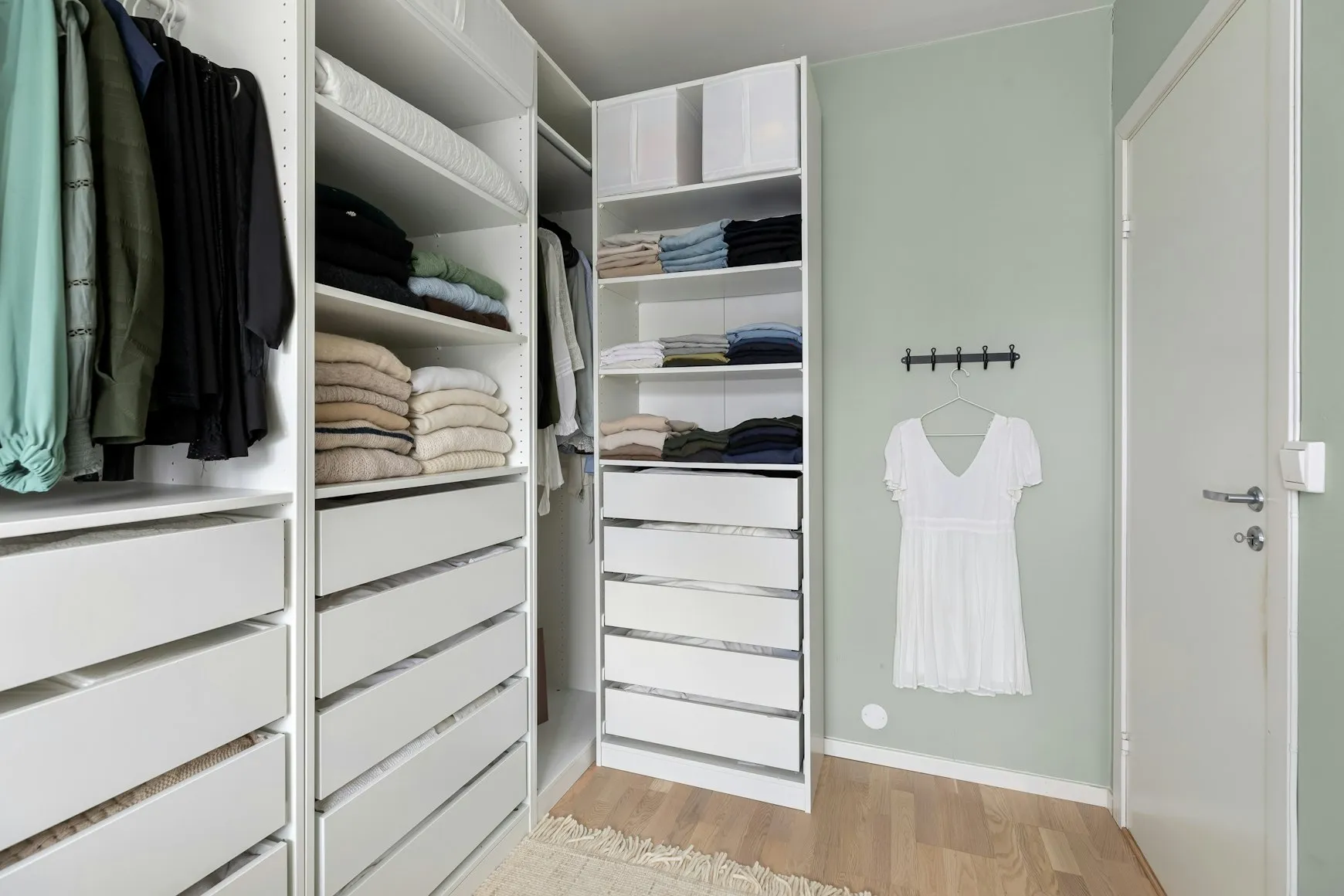
When it comes to optimizing space in our homes, modular shelves provide a versatile and practical solution. They offer flexibility, allowing you to customize configurations based on your evolving storage needs. Whether you have a small nook or a vast wall space to fill, modular shelving can be tailored to fit perfectly. This article delves into how you can design and construct custom modular shelves, transforming any space into a functional and stylish area.
Assessing Your Space and Storage Needs
Before embarking on your DIY project, it's crucial to thoroughly assess the space where you plan to install the shelves. Consider the dimensions of the area and the type of items you intend to store. Ask yourself:
- What is the size of the space? Measure the height, width, and depth.
- What items will be stored? Books, decorative pieces, or office supplies?
- How flexible should the system be? Should shelves be adjustable or fixed?
These considerations will guide your design process and material selection.
Choosing the Right Materials
The choice of materials is pivotal in creating durable and aesthetically pleasing shelves. Here are some popular options:
Wood
Pros: Wood offers warmth and character, with various finishes available to match your decor. It's sturdy and easy to work with using basic tools.
Cons: Can be heavy and may require treatments to prevent warping or moisture damage.
Use When: You want a classic look and are willing to maintain it properly.
Metal
Pros: Metal is robust and provides a modern, industrial aesthetic. It's great for supporting heavy loads.
Cons: Can be more challenging to cut and assemble without specialized tools.
Use When: A sleek, minimalistic look is desired, and the strength of material is a priority.
Plywood
Pros: Cost-effective and available in large sheets, making it ideal for custom cuts and designs.
Cons: May require edging or covering for a polished finish.
Use When: Budget constraints are present but customization remains a priority.
Designing Your Modular Shelving System
Once you’ve selected materials, design your modular shelving system. Here’s how:
- Create a Sketch: Draw out your design on paper, considering different configurations and how they fit together.
- Select Modular Units: Decide on the size and number of individual units. These should be uniform for easy rearrangement.
- Add Custom Features: Think about incorporating unique features like sliding doors or adjustable brackets for added flexibility.
The Construction Process
With your design finalized, it's time to move on to construction. Below is a step-by-step workflow:
Tools Needed
- Saw (circular or hand saw)
- Screwdriver or drill
- Tape measure
- Level
- Sanding block or electric sander
Step-by-Step Guide
- Cutting Materials: Carefully measure and cut your chosen materials to size, following your design's specifications. Use a saw appropriate for your material choice.
- Sanding Edges: Sand all cut edges smoothly to prevent splinters and achieve a professional finish.
- Assembly of Units: Use screws or appropriate fasteners to assemble each unit. Ensure each joint is secure for stability.
- Finishing Touches: Apply paint, stain, or varnish as desired. Ensure proper ventilation if applying finishes indoors.
Installation Tips
The installation phase is where your planning pays off. Here are some tips for seamless installation:
- Wall Anchoring: Ensure shelves are securely attached to studs or use appropriate anchors for drywall installations.
- Leveling: Use a level to make sure shelves are straight. Adjustable feet can help balance freestanding units.
Maintaining Your Modular Shelves
Your new shelving system will require some maintenance to remain in optimal condition:
- Regular Cleaning: Dust shelves frequently to prevent buildup. Use mild cleaning agents suitable for the material type.
- Tightening Hardware: Periodically check screws and brackets for any loosening due to weight or temperature changes.
A Final Note on Customization
The beauty of modular shelving lies in its adaptability. As your storage needs change, don’t hesitate to reconfigure or expand your setup. With a robust foundation and thoughtful design, these shelves can evolve alongside your home.