The Art of Upcycling: Giving Old Furniture a New Lease on Life
In a world where sustainability and eco-friendliness are becoming increasingly important, upcycling old furniture into beautiful, functional pieces is not just an art but also a necessity. This trend not only helps reduce waste but also allows for the creation of unique home decor that tells a story.
Upcycling is the process of transforming unwanted items into something valuable, emphasizing creativity and resourcefulness over consumerism. In this article, we'll explore innovative DIY projects that breathe new life into old furniture, focusing on cost-effectiveness and sustainability.
Identifying Potential in Unwanted Furniture
Before you start a project, it's essential to recognize the potential in discarded or unused furniture. Here are some tips to help you identify pieces that are worth upcycling:
- Structural Integrity: Ensure the furniture is sturdy. Check for any wobbly parts that could compromise the piece's functionality.
- Material Quality: Look for solid wood or metal furniture, as these materials are more durable and easier to work with.
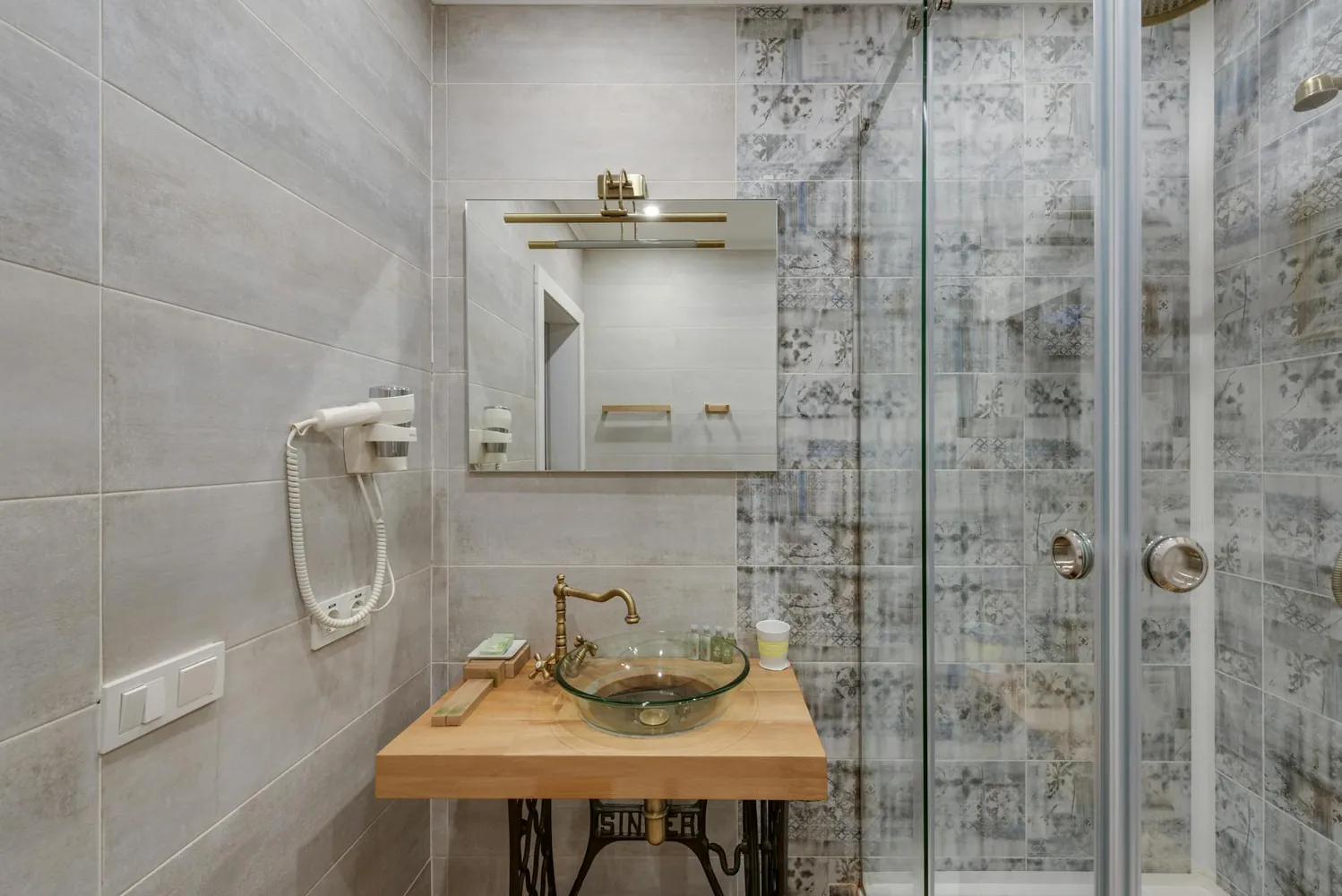
- Unique Features: Pieces with interesting shapes or details can become focal points with a bit of creative modification.
Preparing Your Workspace
Having a dedicated workspace is crucial for any DIY project. Ensure your space has the following elements:
- Ample Lighting: Good lighting will help you see details clearly and avoid mistakes.
- Ventilation: If using paints or varnishes, ensure your workspace is well-ventilated to avoid harmful fumes.
- Tools & Materials: Have all necessary tools such as sanders, paintbrushes, screwdrivers, and safety gear like gloves and goggles readily available.
Project Ideas: From Waste to Wonder
The Dresser Turned Sideboard
An old dresser can easily be transformed into a chic sideboard, perfect for dining rooms or entryways. Here's how:
- Remove Drawers: Take out the drawers and consider using them separately for other projects.
- Sanding: Sand down the dresser to remove old paint or varnish and prepare the surface for a new finish.
- Painting: Apply a fresh coat of paint or stain. Consider using low-VOC paints for an eco-friendly option.
- Add Shelving: Install shelves within the dresser frame to create open storage areas.
- Finish & Style: Add new hardware like knobs or handles to enhance its look and functionality.
The Pallet Coffee Table
Pallets are versatile and can be upcycled into numerous pieces of furniture. A coffee table is a straightforward yet stylish project:
- Select Pallets: Choose pallets that are in good condition without any damage.
- Disassemble: Carefully take apart the pallets and sand each piece to prevent splinters.
- Assemble: Arrange the pallet slats in a design of your choice, securing them with screws.
- Add Legs: Attach metal or wooden legs to achieve the desired height.
- Finishing Touches: Paint or stain the table to match your decor and seal it with a protective finish.
Sustainable Material Choices
Choosing sustainable materials is an integral part of upcycling. Consider these options:
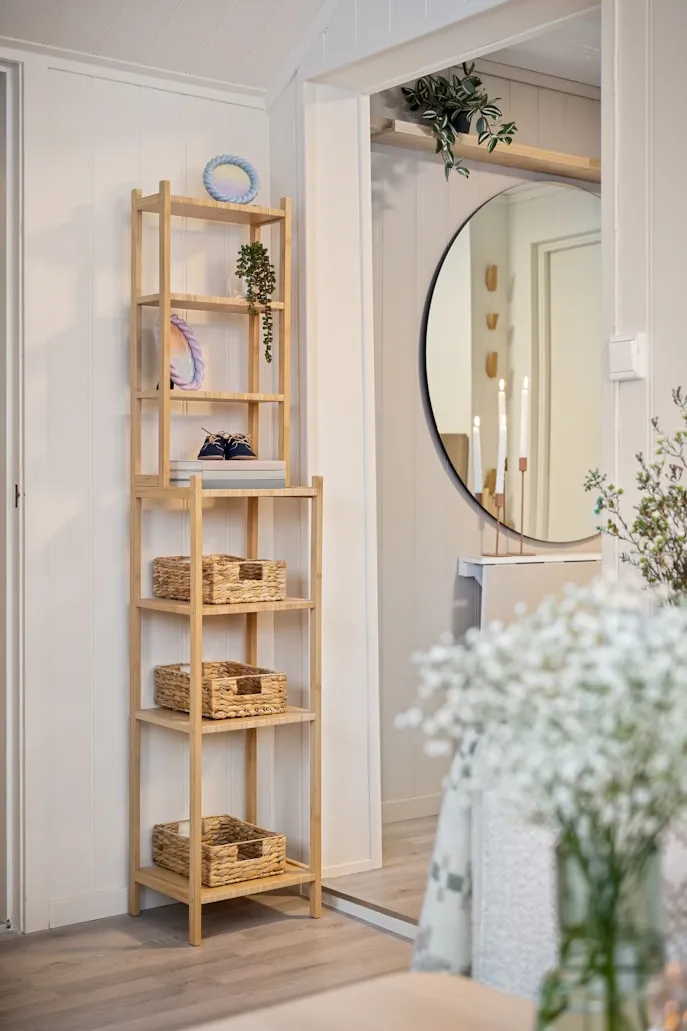
- Bamboo: A rapidly renewable resource, bamboo can be used for accents or structural components.
- Reclaimed Wood: Provides character and reduces demand for new lumber.
- Nontoxic Finishes: Opt for water-based finishes that emit fewer VOCs (volatile organic compounds).
Practical Tips for Success
To ensure your upcycled furniture project is successful, keep these practical tips in mind:
- Create a Plan: Sketch your design before starting. This helps visualize the outcome and identify potential challenges early.
- Budget Wisely: Set a budget for materials and tools. Upcycling should be cost-effective compared to buying new furniture.
- Pace Yourself: Don't rush your projects. Allow adequate time for each stage, especially when waiting for paint or glue to dry.
A Small Scenario: The Story of Emily’s Armchair
Emily found an old armchair at a thrift store that had seen better days. Inspired by upcycling, she embarked on a transformation journey. With some bright fabric remnants and a staple gun, she reupholstered the chair. After sanding down the wooden arms and legs, she applied a fresh coat of varnish. The result? A vibrant centerpiece for her living room, costing her less than $50 and saving another piece of furniture from ending up in a landfill.
The Impact of Upcycling on Sustainability
The practice of upcycling contributes significantly to environmental sustainability by reducing waste, decreasing the demand for new raw materials, and minimizing carbon footprints. When individuals like Emily choose to upcycle, they play a part in promoting a more sustainable future.