Understanding the Impact of Energy Waste
Energy waste in households is a significant issue that not only affects your utility bills but also contributes to environmental degradation. By addressing energy inefficiency, you can reduce your carbon footprint and save between 20-30% on annual utility costs. This guide explores practical strategies to make your home more energy-efficient.
Investing in Energy-Efficient Appliances
Appliances account for about 13% of the total energy use in a home, making them an excellent starting point for energy savings. Look for appliances with the ENERGY STAR label, as these products meet or exceed federal efficiency standards.
Choosing the Right Appliances
- Refrigerators: Modern refrigerators with top or bottom freezers are generally more efficient than side-by-side models. Consider size as well; larger refrigerators consume more energy.
- Dishwashers: Opt for models that have energy-saving wash cycles and automatic air-drying options.
- Washers and Dryers: Front-loading machines typically use less water and energy than top-loading models.
By replacing outdated appliances with energy-efficient models, you can significantly cut down on your electricity usage.
Effective Insulation Techniques
Proper insulation is crucial to maintaining temperature control within your home. It prevents heat loss during winter and keeps cool air inside during summer. Here are some effective insulation techniques:
Identify Key Areas for Insulation
- Attic: Since heat rises, attics are a primary source of energy loss. Use fiberglass or cellulose insulation to seal this area effectively.
- Walls: Blown-in insulation can fill wall cavities without disturbing existing structures.
- Floors: Insulating floors over unheated areas, like garages or basements, can prevent significant energy loss.
Consider conducting an energy audit to identify insulation weak spots in your home.
Smart Thermostat Installation
Smart thermostats are an excellent investment for improving your home's energy efficiency. They allow you to program heating and cooling schedules, reducing energy consumption when you're not at home.
Selecting a Smart Thermostat
When choosing a smart thermostat, consider features like learning capabilities, which adapt to your habits over time, and remote access via smartphone apps. Some popular models include Nest, Ecobee, and Honeywell Home.
The Role of Renewable Energy
Incorporating renewable energy sources can drastically reduce your reliance on non-renewable utilities. Solar panels are the most common choice for residential properties.
Installing Solar Panels
The installation of solar panels involves several considerations:
- Roof Condition: Ensure your roof is in good condition, as panels can last 25-30 years.
- Local Climate: Evaluate the average sunshine hours in your area to determine solar viability.
- Incentives: Research local incentives or tax credits available for solar installations, which can offset initial costs.
A typical solar system can reduce electricity bills by about 50% annually, depending on usage and panel efficiency.
The Importance of Sealing Air Leaks
Air leaks can significantly undermine other energy efficiency efforts by allowing conditioned air to escape. Common areas for leaks include windows, doors, and ductwork.
Tackling Air Leaks
- Windows and Doors: Use weatherstripping or caulk around frames to seal gaps effectively.
- Ductwork: Inspect duct joints for leaks and seal them with foil tape or mastic sealant.
A thorough examination of these elements can enhance your home's thermal envelope and result in considerable energy savings.
A Mini-Framework for Reducing Energy Waste
This mini-framework provides a step-by-step approach to systematically reduce household energy waste:
- Audit Your Home: Conduct a professional or DIY energy audit to identify areas of improvement.
- Create an Action Plan: List all possible improvements based on the audit and prioritize them according to cost-effectiveness and ease of implementation.
- Set Budget and Timelines: Allocate a realistic budget for each project and set achievable timelines.
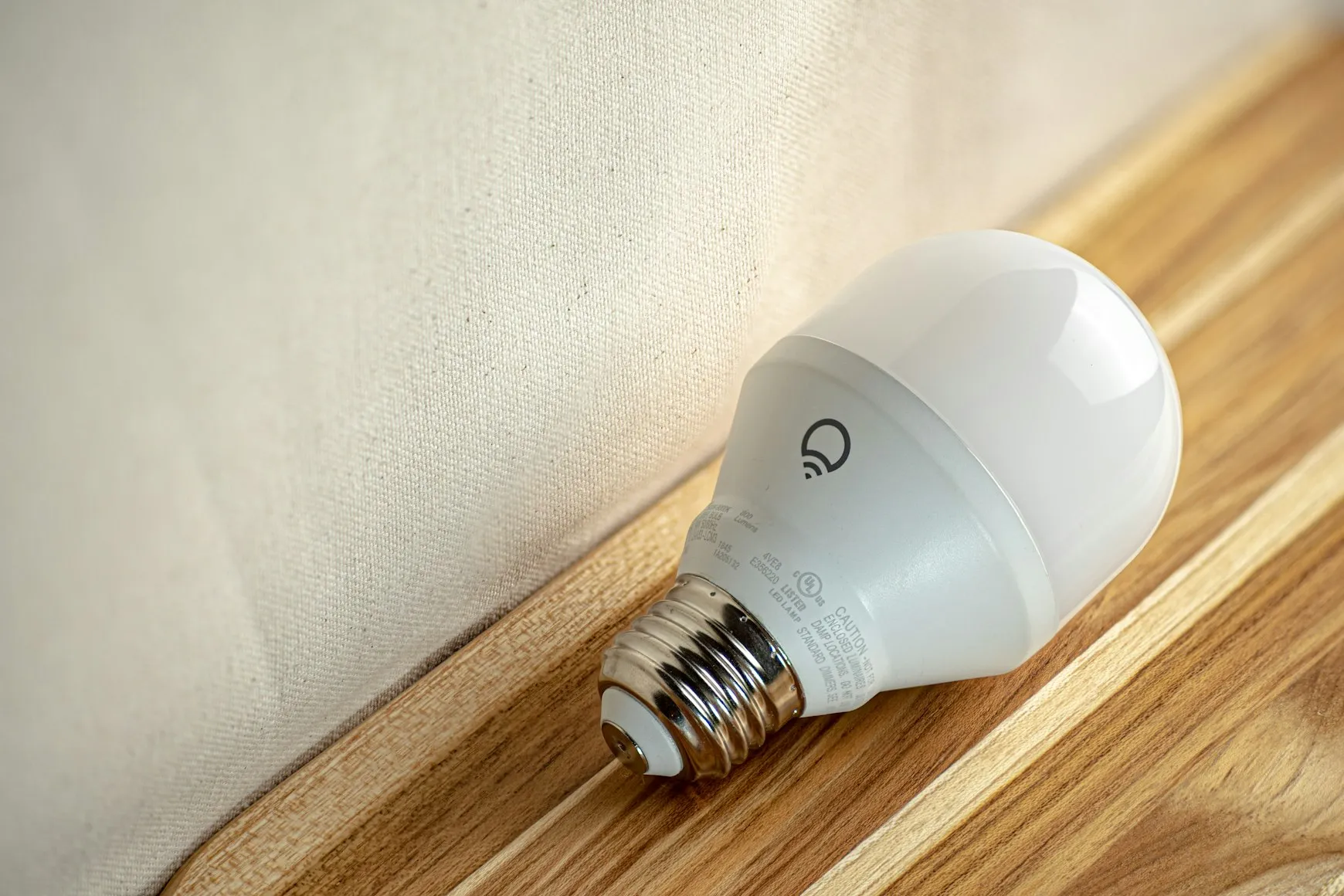
- Implement Incrementally: Begin with the easiest and most affordable changes, such as replacing light bulbs with LEDs or sealing visible leaks.
- Monitor Results: Track your utility bills and usage to measure the effectiveness of implemented strategies.
This structured approach ensures a comprehensive transformation of your home’s energy profile without overwhelming your resources.