Understanding Energy Efficiency in the Home
Home energy efficiency refers to using less energy to perform the same tasks, thereby reducing energy waste. It is essential for reducing utility bills and minimizing the environmental impact of energy use. Many homeowners assume that improving energy efficiency requires a significant investment, but there are numerous affordable changes you can implement right away.
Sealing Gaps: The First Step
Identifying Problem Areas
One of the simplest yet most effective ways to improve your home's energy efficiency is by sealing gaps around doors and windows. These gaps allow air to escape, causing heating and cooling systems to work harder. Begin by performing a visual inspection of all external doors and windows. Look for visible gaps, cracks, or light coming through from the outside.
Using Weather Stripping
Weather stripping is an affordable material used to seal these gaps. It comes in various forms such as adhesive-backed foam tape or more durable materials like silicone. To apply weather stripping:
- Clean the surface where you'll apply the stripping to ensure it adheres properly.
- Measure the length of the area you need to seal and cut the weather stripping to size.
- Apply the weather stripping along the edges of doors and windows, pressing firmly to secure it in place.
Caulking for Extra Protection
Caulk is another effective sealant, ideal for filling smaller cracks and gaps around windows and door frames. Use a caulking gun to apply a steady bead of caulk along any seams or cracks identified during your inspection. Smooth out the caulk with a damp finger or a caulk finishing tool for a clean finish.
Enhancing Insulation
Improving Attic Insulation
Heat loss through the roof is a common issue, especially in older homes. Enhancing attic insulation can drastically improve energy efficiency:
- Determine if additional insulation is needed by checking the existing layer's depth—typically, it should be 10-14 inches thick.
- Add batts or rolls of fiberglass insulation over existing layers, ensuring they are laid perpendicular for better coverage.
- Pay special attention to areas around attic openings, pipes, and vents.
Insulating Water Heaters
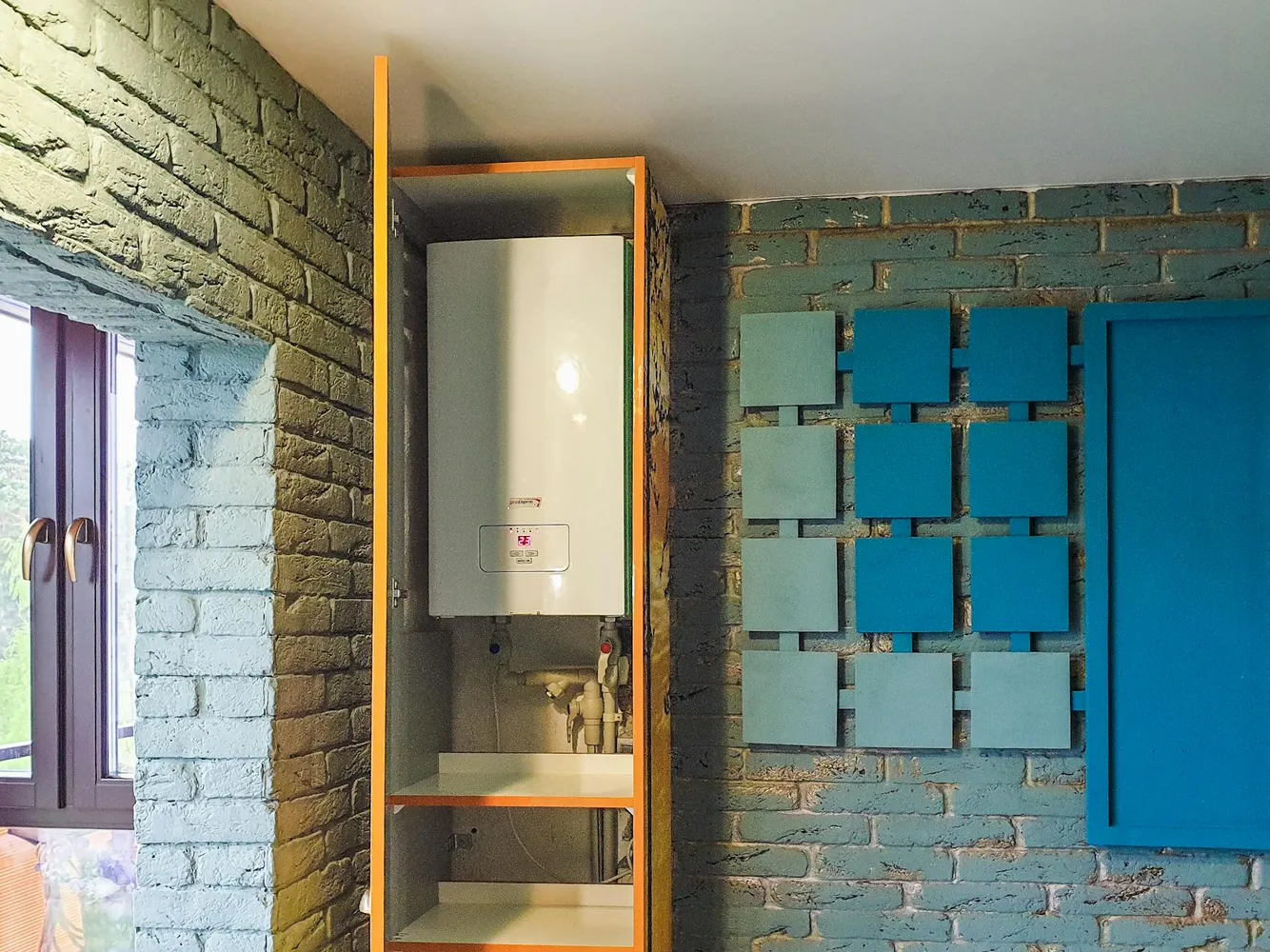
Consider insulating your water heater with a pre-cut jacket or blanket designed for this purpose. This reduces heat loss, keeping your water warmer for longer periods:
- Turn off the water heater before installation to prevent injury.
- Wrap the blanket tightly around the tank, securing it with tape or straps.
- Avoid covering important components such as thermostats or burner access panels.
Efficient Lighting Solutions
Switching to LED Bulbs
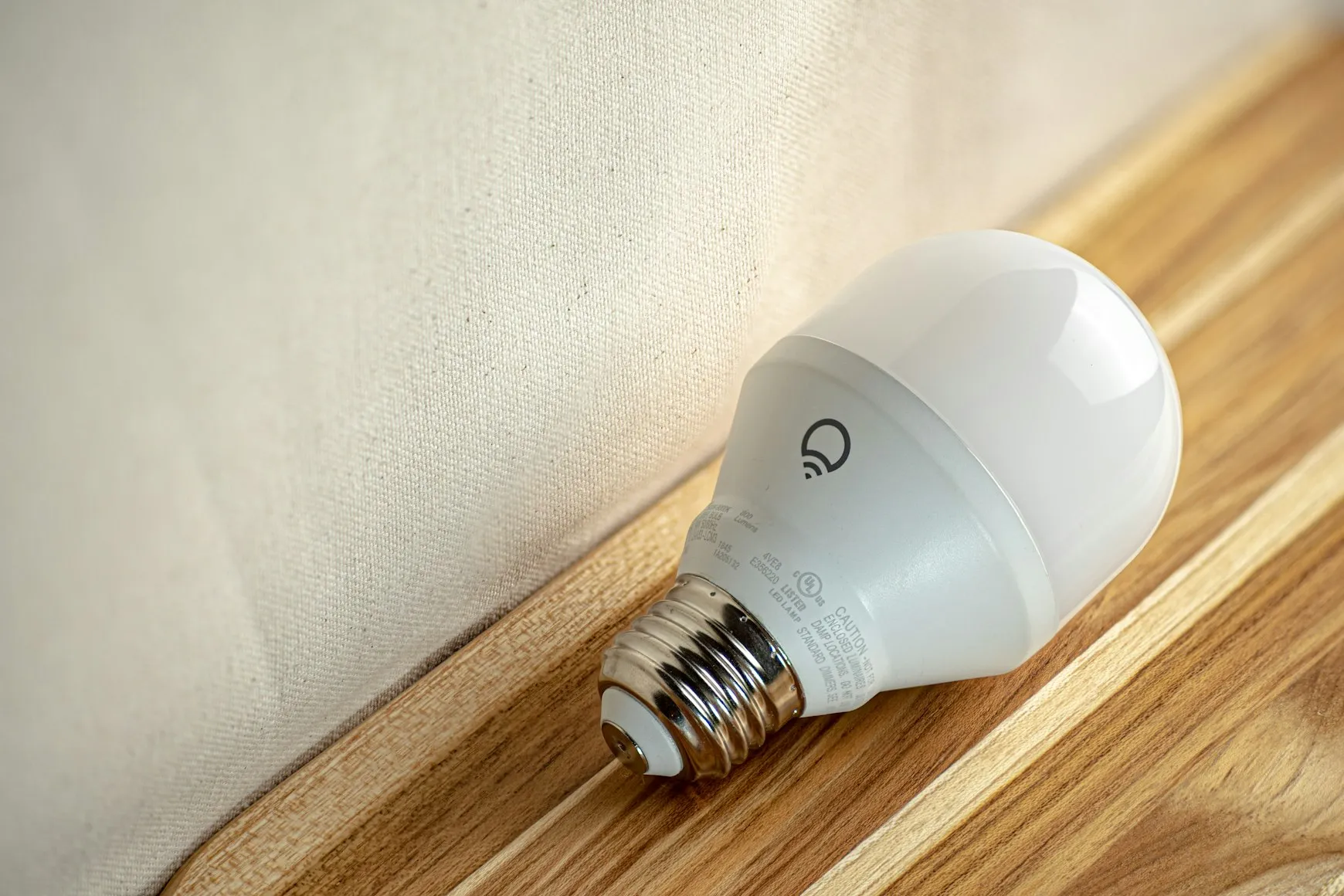
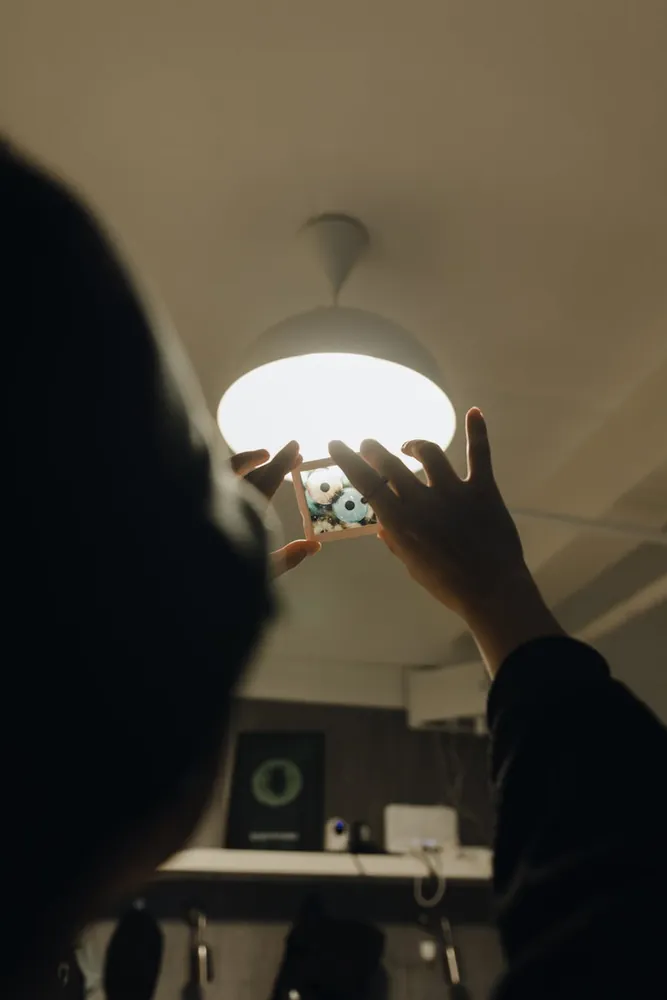
Lighting accounts for about 10% of home energy usage. Switching from incandescent bulbs to LEDs can significantly reduce this consumption:
- LEDs use up to 75% less energy and last 25 times longer than traditional incandescent bulbs.
- Replace bulbs in high-use areas first, such as kitchens and living rooms.
Utilizing Natural Light
Maximize the use of natural light during daytime hours:
- Keep curtains open to allow sunlight to illuminate rooms naturally.
- Consider adding mirrors strategically to reflect light into darker areas.
Smart Thermostat Installation
Installing a smart thermostat is a slightly more expensive upfront option, but it quickly pays for itself through savings. These devices learn your schedule and adjust temperatures accordingly, optimizing energy use.
- Choose a model compatible with your HVAC system.
- Follow the manufacturer's instructions for installation, which typically involves replacing your existing thermostat and connecting wires as indicated.
Practical Checklist for Immediate Action
- Inspect doors and windows for gaps; apply weather stripping or caulk as needed.
- Add or replace attic insulation if necessary.
- Install LED bulbs in frequently used fixtures.
- Consider installing a smart thermostat to regulate heating and cooling.
By following these affordable steps, you can significantly improve your home's energy efficiency today. Not only will these actions help reduce your utility bills, but they also contribute positively to environmental conservation efforts by minimizing energy waste.