The Rise of Solar Energy in Residential Areas
The adoption of solar energy solutions among homeowners has been on the rise, driven by technological advancements and increased awareness of environmental impacts. In recent years, residential solar panel installations have skyrocketed, with an estimated 20% annual growth rate in some regions. This trend underscores the importance of understanding the installation process, selecting appropriate solar technologies, and optimizing energy savings.
Understanding Solar Panel Options
When considering solar panel installations, it is crucial to select the right type of panels that suit your roof and energy needs. There are several types of solar panels available, each with distinct characteristics:
- Monocrystalline Panels: Known for their high efficiency and sleek design, monocrystalline panels are made from single-crystal silicon. They are ideal for smaller roofs where space is at a premium.
- Polycrystalline Panels: These panels are made from multiple silicon crystals and are generally less expensive but also less efficient than monocrystalline panels.
- Thin-Film Panels: Offering flexibility and ease of installation, thin-film panels are best suited for large areas where aesthetics are not a primary concern.
The choice of panel will depend on factors such as roof size, orientation, local climate, and budget.
Choosing the Right Type for Your Roof
Every roof presents unique challenges and opportunities for solar panel installation. Factors such as roof angle, shading from nearby structures or trees, and roofing material (such as tiles, shingles, or metal) play a significant role in determining the suitability of solar panels.
To make an informed decision:
- Conduct a Roof Assessment: Engage with a professional to evaluate the structural integrity and dimensions of your roof.
- Analyze Shading Patterns: Use technology like solar pathfinders or online tools to map out shading across different times of the day and year.
- Consider Aesthetics: Some panels integrate seamlessly with certain roofing styles; consider how panels will appear on your home.
The Installation Process: Step by Step
Installing solar panels is a multi-step process that involves careful planning and execution. Below is a typical workflow that homeowners can expect:
- Initial Consultation: Discuss your energy needs and goals with a solar provider to determine system size and cost estimates.
- Site Assessment: Technicians will visit your home to assess roof suitability and gather data on sun exposure.
- System Design: Based on the site assessment, a custom solar solution will be designed to meet your home's energy requirements.
- Permitting and Documentation: Acquire necessary permits from local authorities—a step that can take a few weeks.
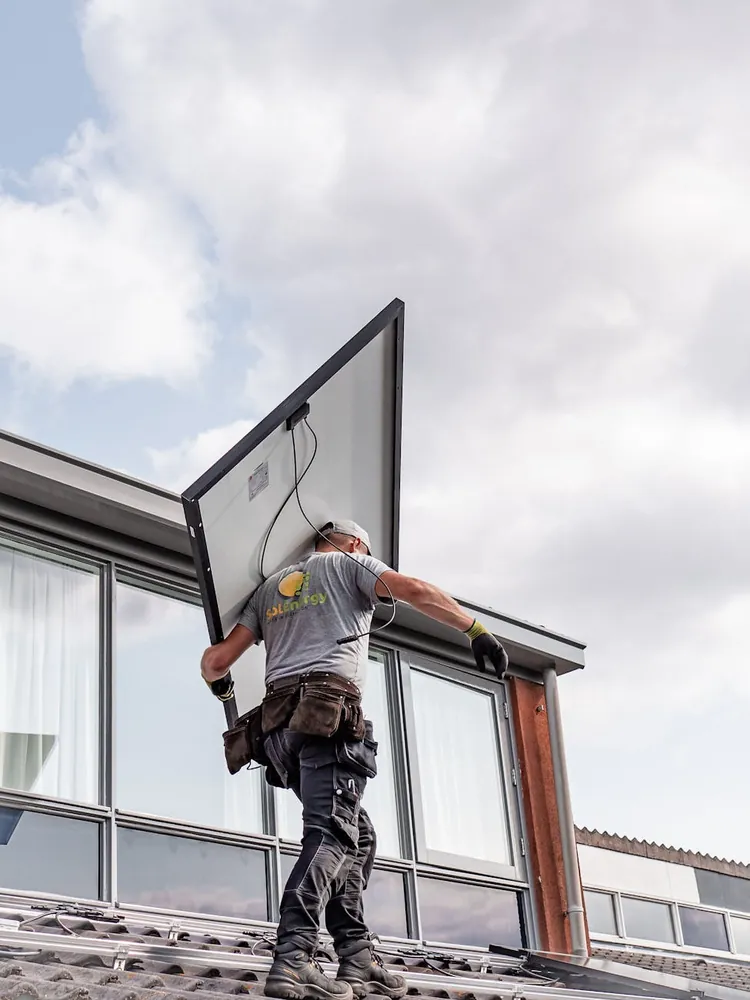
- Installation: Solar professionals install the racking system followed by panels, wiring, and inverters. This phase typically takes 1-3 days.
- Inspection and Connection: Post-installation inspections ensure compliance with regulations. Once approved, the system can be connected to the grid.
Maximizing Energy Savings
The key to maximizing energy savings with solar panels lies in efficient energy management and potential incentives. Here are several strategies:
- Time-of-Use Tariffs: Optimize energy consumption during off-peak hours if you are on a time-of-use electricity plan.
- Battery Storage: Consider adding battery storage to store excess solar power for use when the sun is not shining.
- Net Metering: Utilize net metering programs to earn credits for excess power sent back to the grid.
Real-Life Case Studies: Financial and Environmental Benefits
The Thompson Family: A Suburban Success Story
The Thompsons reside in a suburban neighborhood in California. They decided to invest in a 5 kW solar system. Within the first year, they saw a reduction of approximately $1,200 in electricity bills and reduced their carbon footprint by an equivalent of planting 150 trees annually.
The Urban Challenge: The Johnsons’ Experience
The Johnson family, living in an urban area with limited roof space, opted for high-efficiency monocrystalline panels. Despite space constraints, their installation managed to cover nearly 80% of their electricity needs, yielding significant savings while boosting their property's value.
A Rural Revolution: The Harper Household
The Harpers own a sprawling ranch in Texas where they installed a combination of solar panels and battery storage. With this setup, they achieved near-total energy independence, dramatically reducing their reliance on the grid during peak summer months. Their investment has provided both financial relief and environmental peace of mind.
The Future of Solar Energy for Homeowners
The future looks bright for solar energy in residential applications. As technology evolves and prices continue to fall, homeowners stand to benefit from cleaner energy that offers long-term financial returns. By making informed choices about panel types, installation techniques, and energy management strategies, homeowners can effectively harness the power of the sun.