
Understanding the Importance of Weatherproofing
As winter approaches, ensuring your home is prepared to handle the cold weather can significantly reduce heating costs and improve comfort. Weatherproofing your home is not just about adding insulation; it involves a comprehensive approach to sealing your home against the elements. By addressing air leaks, upgrading insulation, and optimizing heating systems, you can maintain a cozy indoor environment while keeping energy bills in check.
Identifying Common Sources of Heat Loss
Before diving into specific weatherproofing techniques, it's crucial to identify where heat loss occurs in your home. Common culprits include:
- Drafty windows and doors
- Poorly insulated attics and walls
- Unsealed ducts and electrical outlets
- Basement cracks and exposed foundations
Conducting a thorough assessment of these areas helps prioritize tasks and maximize energy efficiency improvements.
Sealing Air Leaks with Weather Stripping
One of the simplest yet most effective ways to prevent heat loss is by sealing air leaks around windows and doors with weather stripping. Here's a step-by-step guide:
- Select the Right Material: Choose weather stripping based on the location and amount of friction involved. Options include adhesive-backed foam, felt, or rubber for windows, and door sweeps or silicone seals for doors.
- Prepare the Surface: Clean the area thoroughly to ensure the weather stripping adheres properly. Remove any old stripping or paint residues.
- Measure and Cut: Measure the length needed for each window or door and cut the weather stripping to size.
- Install Carefully: Align the strip along the edge of the window or door, pressing firmly to ensure it adheres evenly.
This simple technique can block drafts effectively, reducing energy consumption by up to 15%.
Enhancing Insulation in Key Areas
Insulation plays a crucial role in maintaining indoor temperature. Here are key areas to focus on:
The Attic
Heat rises, making attic insulation a top priority. Consider using fiberglass batts, blown-in cellulose, or spray foam. Each has its trade-offs:
- Fiberglass Batts: Easy to install but may leave gaps.
- Blown-in Cellulose: Fills gaps well but requires professional equipment.
- Spray Foam: Provides excellent coverage but is more expensive.
A well-insulated attic can reduce heat loss by 25-30%.
Walls and Basements
For walls, consider adding blown-in insulation if your home is older. For basements, focus on insulating walls and floors using rigid foam boards or spray foam. This not only prevents heat loss but also minimizes moisture issues.
Optimizing Heating Systems
Your heating system's efficiency can significantly impact energy consumption. Regular maintenance is key:
- Annual Inspection: Hire a professional to inspect your furnace or boiler annually.
- Filter Replacement: Change filters every 1-3 months to ensure optimal airflow.
- Tune-Ups: Check thermostat settings, pilot lights, and burners regularly.
Consider Upgrading Appliances
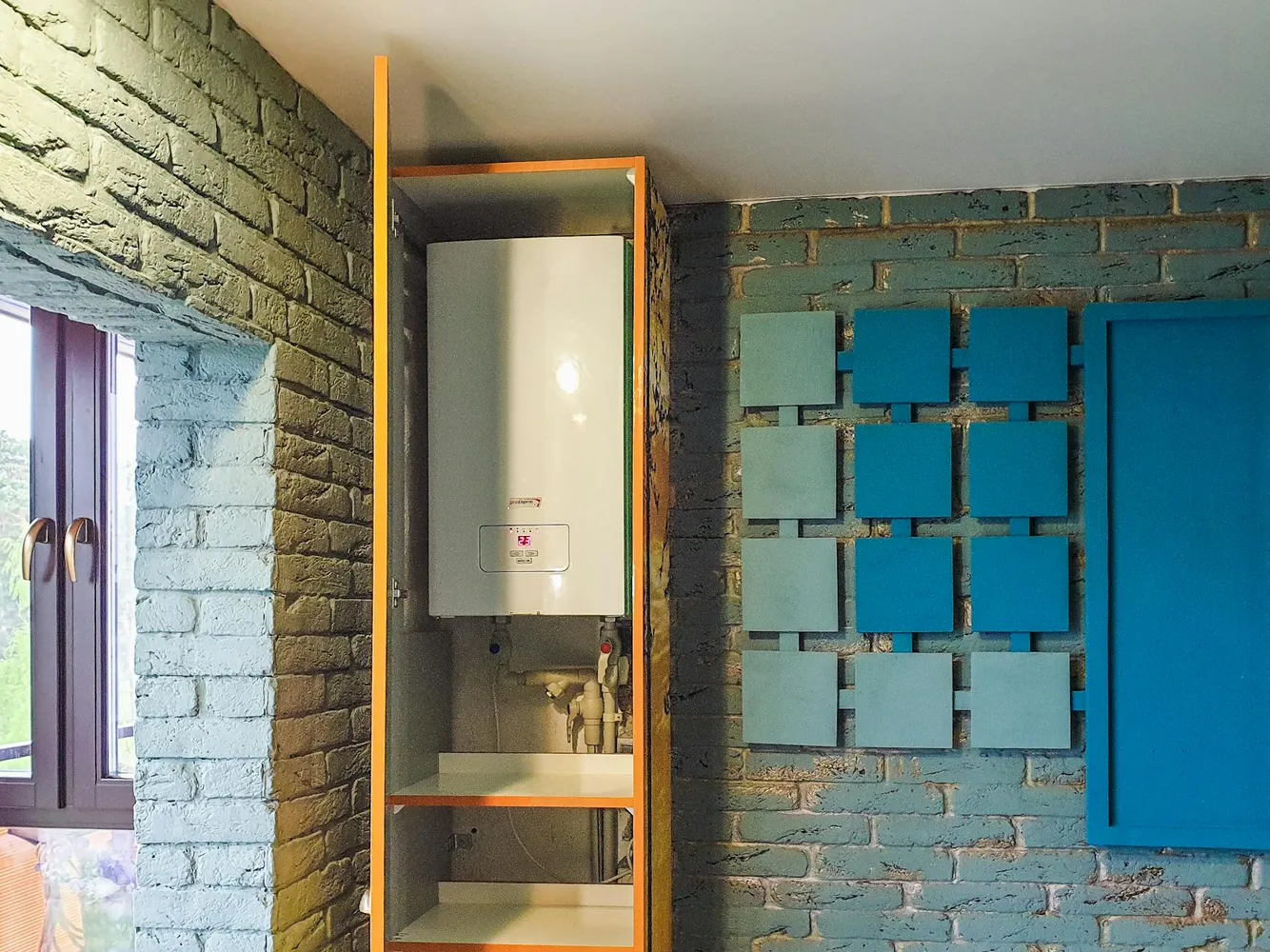
If your system is over 15 years old, consider upgrading to an energy-efficient model such as a condensing boiler or a heat pump. Though initially costly, these investments can reduce energy bills by 20-30% over time.
Leveraging Smart Technology
Smart thermostats can enhance energy savings by learning your schedule and optimizing heating times. Popular options like Nest or Ecobee offer remote control via smartphone apps, providing convenience and additional savings of 10-12% on heating costs.
The Role of Windows in Energy Efficiency
Windows are major sources of heat loss. Here are strategies to enhance their efficiency:
- Add Storm Windows: Installing storm windows can reduce heat loss by up to 50% compared to single-pane windows.
- Use Window Film: Apply insulating film during winter months to retain heat inside.
The Impact of Landscaping on Energy Efficiency
Your home's exterior also affects its energy efficiency. Strategic landscaping can act as a natural insulator:
- Plant Evergreen Trees: Use them as windbreaks on the north side of your house to shield against cold winds.
- Shrubs Near Foundations: Create a barrier against wind infiltration with low-growing shrubs around your home’s foundation.
The Financial Implications of Weatherproofing
While initial costs for weatherproofing materials and upgrades might seem daunting, they often lead to significant savings. For instance, investing $1000 in comprehensive weatherproofing can yield annual savings of $200-$500 on energy bills, offering a return on investment within just a few years.
Additionally, many utility companies offer rebates for energy-efficient upgrades. Be sure to research available programs in your area to maximize your savings.
Conclusion: A Cozier, More Efficient Home
By taking proactive steps to weatherproof your home, you create a more comfortable living environment while substantially cutting down on heating costs. Remember, the key is in understanding your home’s unique needs and prioritizing improvements that offer the best returns. With thoughtful planning and execution, you can enjoy a warm winter without breaking the bank.