The Landscape of Gardening Choices: In-Ground vs. Raised Bed
Gardening has long been a favored activity for many homeowners looking to enhance their outdoor spaces. But when it comes to choosing between in-ground gardening and raised bed gardening, the decision often hinges on specific needs and preferences. Each method has its own advantages and disadvantages, particularly concerning soil control, maintenance efforts, and accessibility. Understanding these differences can help you make the best choice for your gardening goals.
Soil Control: Managing the Foundation of Your Garden
In-Ground Gardening: Nature's Canvas
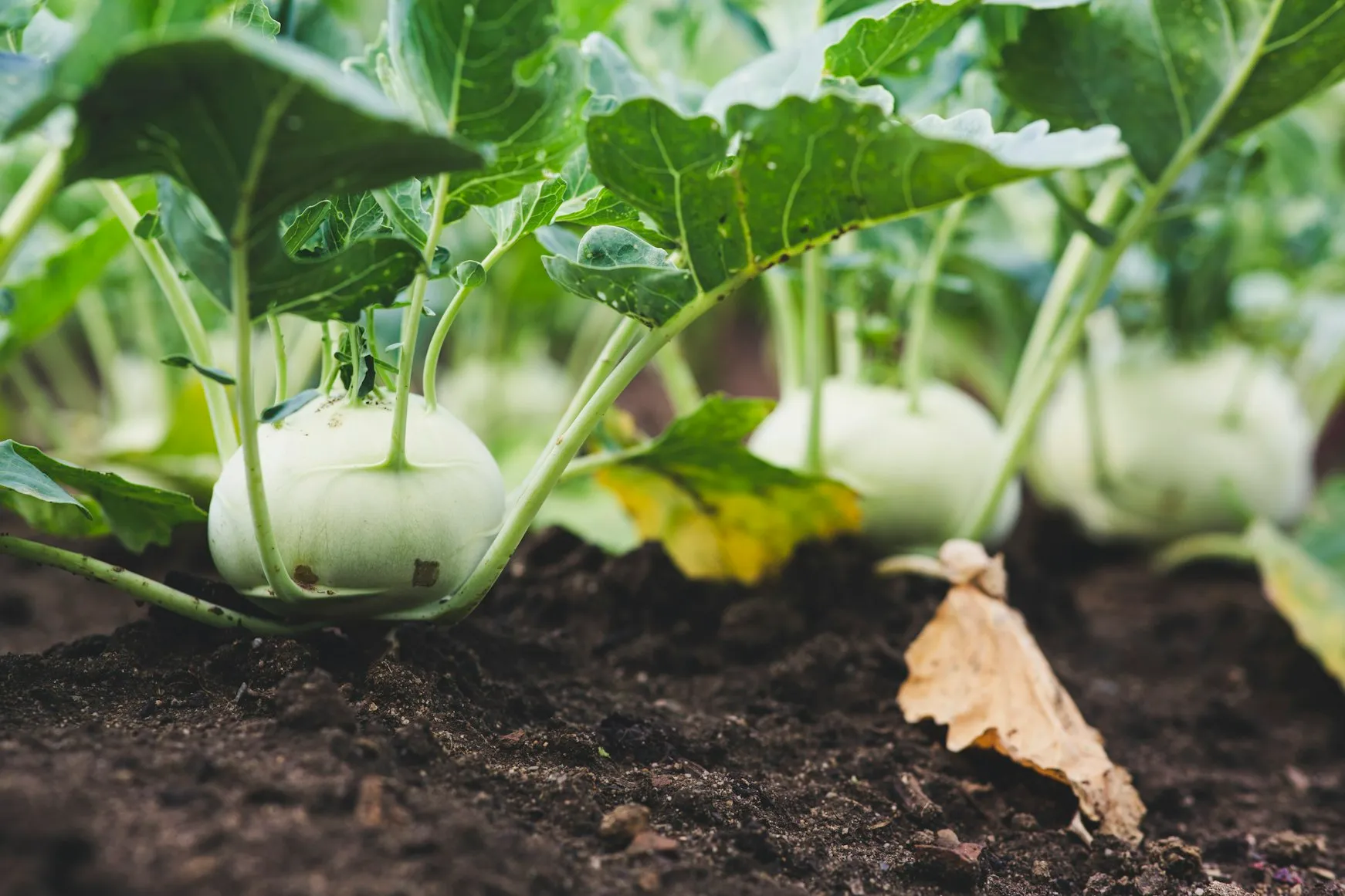
With in-ground gardening, you use the existing soil in your yard. This method can be both beneficial and challenging:
- Advantage: You're starting with what nature provides. If your soil is naturally rich and well-draining, you're already ahead of the game. In many regions, this means less need for added amendments.
- Disadvantage: However, poor soil quality is a common issue. Clay-heavy or sandy soils may require extensive amending to reach optimal growing conditions. Homeowners often need to add organic matter like compost or peat moss to improve structure and fertility.
For instance, a homeowner in New England might find their garden bed filled with rocky soil that's difficult to cultivate. They might employ strategies like adding copious amounts of compost and using cover crops in the offseason to slowly improve soil health over time.
Raised Bed Gardening: Precision Engineering
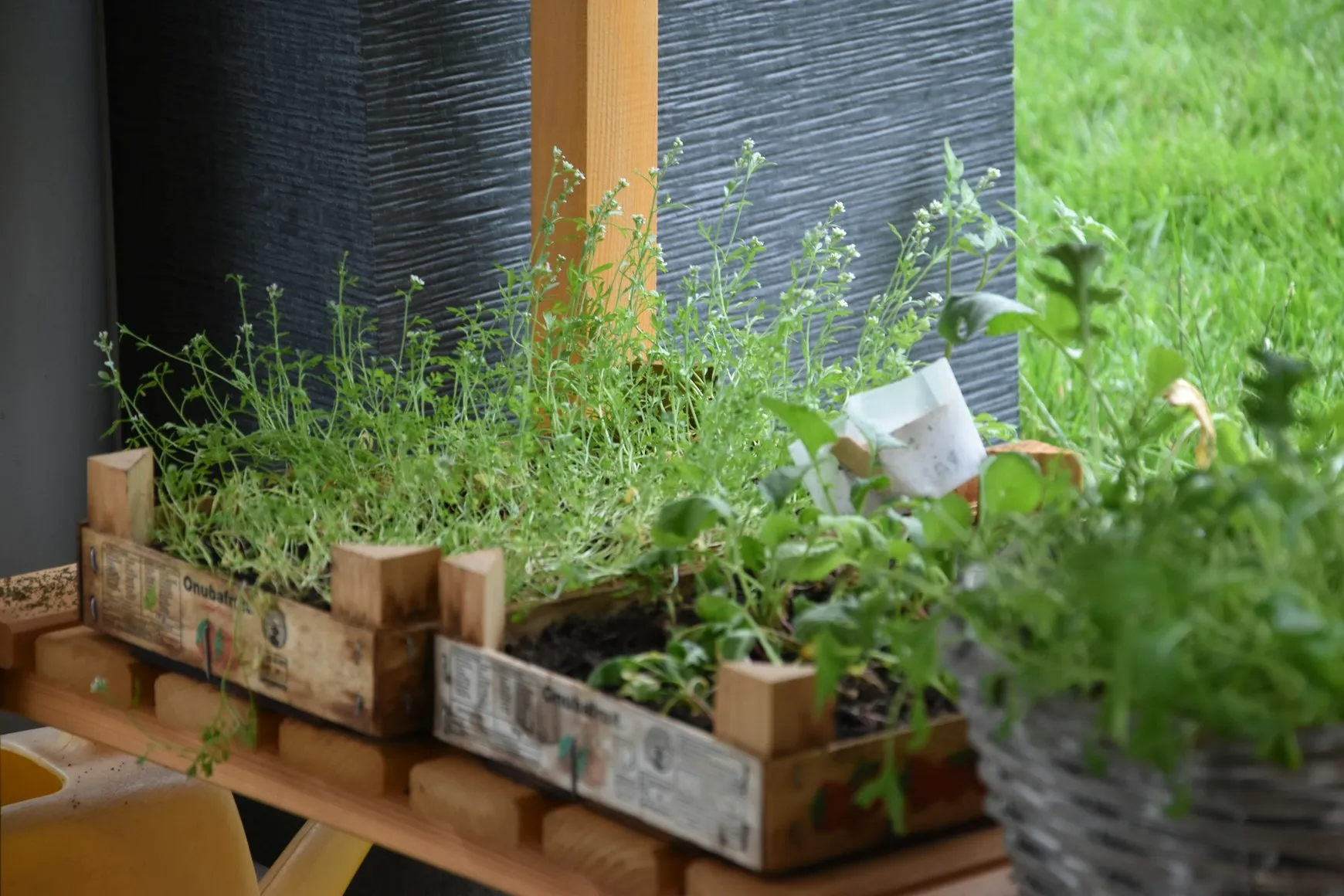
Raised beds allow gardeners more control over the soil mix from the start:
- Advantage: You can tailor the soil composition precisely to what you plan to grow. Many opt for a mix of topsoil, compost, and other organic materials that create an ideal environment for plant growth.
- Disadvantage: The initial setup cost can be high. Sourcing quality materials and constructing the beds can be labor-intensive and expensive.
A successful example is a gardener in Arizona who built raised beds to combat the region's alkaline soil. By importing a soil mixture that favored acid-loving plants, they were able to grow a lush array of vegetables that thrived despite the natural conditions.
Maintenance Efforts: Weighing Time Against Results
In-Ground Gardening: The Test of Time
Maintaining an in-ground garden often involves dealing with weeds and pests drawn to the open soil:
- Advantage: Once established, these gardens often require less day-to-day attention than raised beds because they naturally retain moisture better.
- Disadvantage: Weeding can be a continuous task. Without barriers, weeds can quickly overtake the area if not regularly managed.
A practical workflow could involve regular mulching with straw or bark chips to suppress weeds and conserve moisture, an approach that’s both sustainable and effective over time.
Raised Bed Gardening: Managing a Controlled Environment
The controlled nature of raised beds offers different challenges and rewards:
- Advantage: Weeds are significantly reduced due to the height of the beds and the use of commercial soil mixes that are typically weed-free.
- Disadvantage: More frequent watering might be necessary since elevated soils can dry out faster, especially in hot climates.
An example comes from an urban gardener who installed a drip irrigation system in their raised beds. This automated solution not only saves water but ensures consistent moisture levels without daily intervention.
Accessibility: Ensuring Everyone Can Enjoy Gardening
In-Ground Gardening: Ground-Level Challenges
This traditional method can pose physical challenges for some gardeners:
- Advantage: It's simpler to start; no construction is needed. It’s a direct way for those with spacious yards to fill large areas efficiently.
- Disadvantage: Bending down repeatedly can be taxing on the body, particularly for older gardeners or those with back issues.
Aging gardeners often adopt tools with longer handles or ergonomic designs to minimize strain, making it easier to manage tasks without excessive bending.
Raised Bed Gardening: Ergonomically Favorable
The elevated design of raised beds makes them accessible for all types of gardeners:
- Advantage: Easier on the joints, these beds are especially suitable for individuals with limited mobility as they require less bending and kneeling.
- Disadvantage: Initial labor is higher due to bed construction which can be daunting without help.
A case study involves a community garden project in a retirement community where residents collaborated to build waist-high raised beds. This initiative encouraged participation by making gardening comfortable for everyone involved.
The Final Consideration: Choosing What Works for You
The decision between in-ground and raised bed gardening ultimately comes down to personal preference, physical ability, budget constraints, and environmental factors specific to your area. Regardless of which method you choose, both offer pathways to creating vibrant, productive gardens that enrich your home environment.