The Importance of Native Plants in Landscaping
Native plants are those that have evolved naturally in a specific region, adapting to the local climate and soil conditions over thousands of years. Incorporating native plants into landscaping is not just a trend; it's a powerful strategy for creating sustainable, low-maintenance gardens that support local ecosystems.
The increasing interest in sustainable outdoor landscaping has put a spotlight on native plants. These plants offer several compelling benefits, from reducing maintenance and conserving water to enhancing local biodiversity.
Enhancing Biodiversity
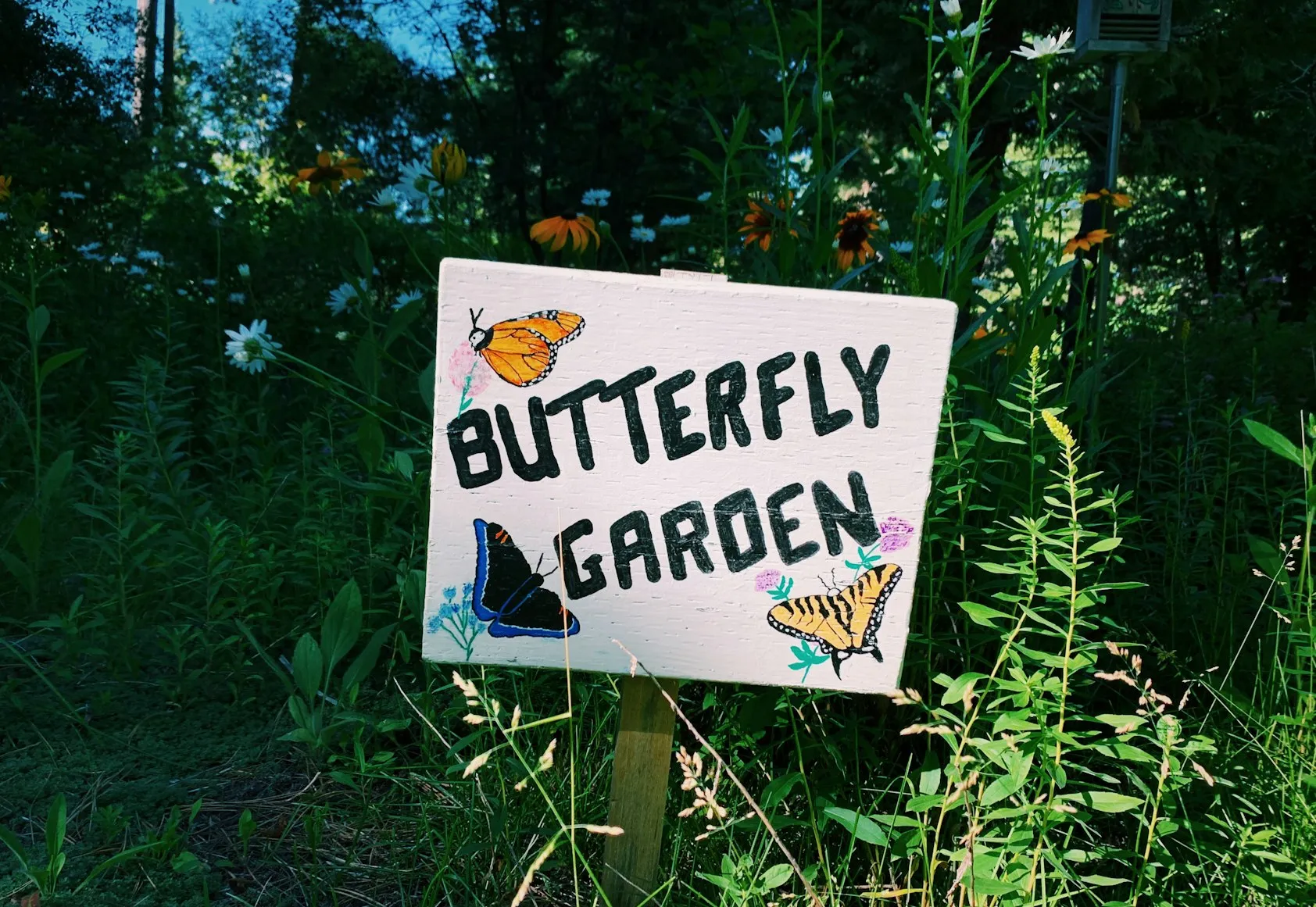
One of the most significant benefits of using native plants is their role in enhancing biodiversity. They serve as critical components of local ecosystems, providing food and habitat for native wildlife, including birds, butterflies, and other pollinators.
Creating Wildlife Habitats
Native plants have evolved alongside local wildlife, meaning they provide the right kind of shelter and nourishment. For instance, the Milkweed plant is vital for the lifecycle of monarch butterflies, serving as both food and breeding ground. By planting species like these, you can transform your garden into a sanctuary for various creatures.
- Birds: Plants like Sunflowers and Serviceberry attract birds with their seeds and berries.
- Butterflies: Species such as Asters and Goldenrods are magnets for butterflies.
- Bees: Flowering plants like Lavender and Sage help support bee populations.
Supporting Pollinators
Pollinators such as bees and butterflies play an essential role in the reproduction of many flowering plants. Native plants are particularly effective at supporting these species because they bloom at times when pollinators need them most. For example, the Redbud Tree, blooming early in spring, provides much-needed nectar after winter months.
Reducing Maintenance Needs
One of the most appealing aspects of native plants is their low-maintenance nature. Because they are adapted to local conditions, they typically require less water, fertilizer, and pest control than non-native species.
Adapting to Local Climate
Native plants are well-suited to thrive in the local climate. They have developed resilience against extreme weather patterns typical of the area. For instance, in drought-prone regions, plants such as Purple Coneflower and Prairie Dropseed can survive on minimal watering.
Pest Resistance
Because native plants have evolved alongside local pests, they have built-in resistance that reduces or even eliminates the need for chemical pest control. This not only saves money but also helps maintain a healthier ecosystem by not introducing harmful chemicals.
Water Conservation
As water becomes an increasingly scarce resource in many parts of the world, choosing plants that are naturally adapted to local rainfall patterns can significantly reduce irrigation needs.
Drought-Tolerant Varieties
Some native species are naturally drought-tolerant. For example, the Cactus family thrives in arid conditions and can store water efficiently. Similarly, Buffalo Grass, native to North America’s prairies, requires very little supplemental water once established.
Xeriscaping
Xeriscaping is a landscaping philosophy that utilizes drought-resistant plants to minimize water use. Native plants often play a central role in xeriscaping projects because they require less irrigation and are more resilient during dry spells.
How to Integrate Native Plants into Your Landscape
Integrating native plants into your garden involves careful planning and consideration of various factors such as climate, soil type, and light conditions. Here’s a practical guide:
Assess Your Environment
- Climate: Understand your local climate zone using resources like the USDA Plant Hardiness Zone Map.
- Soil Type: Conduct a soil test to determine pH levels and nutrient availability.
- Light Conditions: Observe sunlight patterns in different parts of your garden throughout the day.
Selecting the Right Plants
Select species that will thrive in your particular environment. Consult with local nurseries or extension services for recommendations specific to your area.
Designing with Diversity
A diverse plant palette not only supports a broader range of wildlife but also ensures that something is always in bloom. This increases aesthetic appeal while providing continuous support to pollinators.
Sustainable Landscaping Practices
Sustainable landscaping goes beyond plant selection. Implementing practices such as composting, mulching, and rainwater harvesting can further enhance the sustainability of your garden.
Composting and Mulching
Composting kitchen scraps and yard waste enriches soil health, while mulching helps retain moisture and suppress weeds around your native plantings.
Rainwater Harvesting
Capturing rainwater for irrigation reduces dependency on municipal water supplies. Simple systems like rain barrels can be set up to collect runoff from rooftops.
A Mini-Framework for Sustainable Landscaping with Native Plants
- Identify Local Plants: Use resources like native plant societies or online databases to identify suitable native species for your area.
- Create a Garden Plan: Sketch your garden layout, considering plant placement based on light and water needs.
- Prepare the Soil: Enhance soil health through organic amendments like compost before planting.
- Implement Water-Wise Techniques: Install drip irrigation or utilize mulch to conserve moisture.
- Monitor and Adjust: Regularly observe plant health and adapt care routines as needed to ensure thriving landscapes.
This framework allows gardeners to create vibrant, sustainable landscapes that benefit both their environment and personal well-being by reducing upkeep demands while fostering a thriving ecosystem.