Creating Harmony Between Beauty and Utility
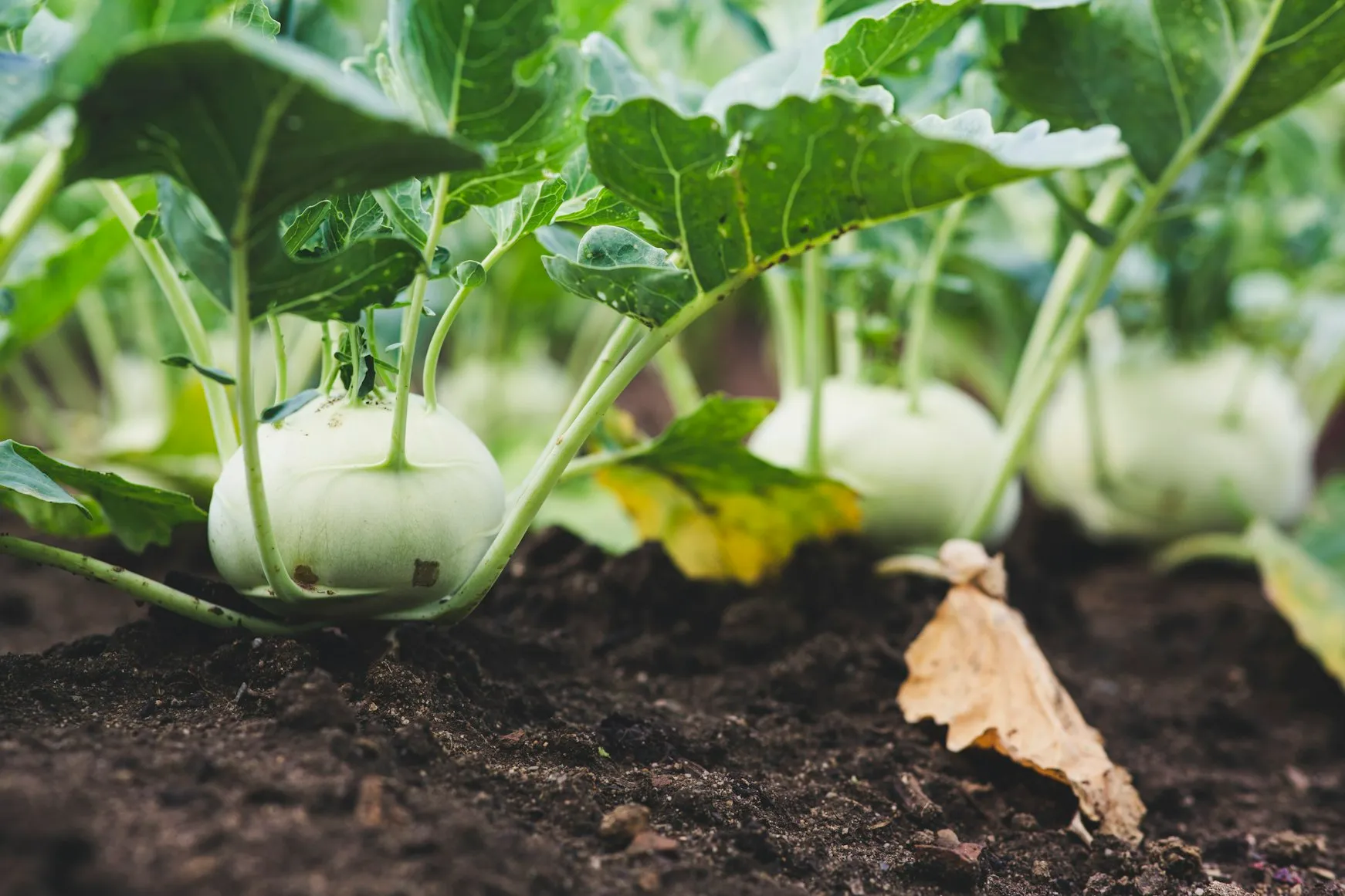
A well-designed garden not only serves as a beautiful oasis but can also be a source of delicious homegrown produce. By integrating edible plants into your landscape design, you can achieve a perfect blend of aesthetic appeal and practicality. This approach allows gardeners to enjoy the visual beauty of flowers and foliage while also harvesting fruits, vegetables, and herbs.
Choosing the Right Edible Plants
When planning your garden, the selection of plants is crucial to ensure both beauty and productivity. Here are three key strategies to consider:
1. Incorporate Edible Ornamentals
Edible ornamentals are plants that are both attractive and functional. Varieties like Swiss chard and kale offer vibrant colors with their red, yellow, and purple leaves while providing nutritious greens. Similarly, basil, with its lush leaves, can double as a border plant.
2. Use Edible Flowers
Flowers such as nasturtiums, calendulas, and violets add color and can be used in salads or as garnishes. Their striking blooms not only enhance garden aesthetics but also attract beneficial pollinators.
3. Select Fruit-Bearing Shrubs
Shrubs like blueberry or currant bushes offer beautiful spring blossoms followed by a bountiful summer harvest. Their compact nature makes them ideal for small spaces or as a feature in larger gardens.
Designing Your Garden Layout
The layout of your garden plays a significant role in its overall success. Here are some design tips to create a stunning edible landscape:
Integrate Layers
A layered garden mimics natural ecosystems, incorporating various plant heights and textures. Start with trees like dwarf fruit trees, which provide structure and shade. Next, include mid-level shrubs such as berry bushes, followed by ground-level vegetables and herbs.
- Trees: Dwarf apple or pear trees provide vertical interest.
- Shrubs: Choose lavender or rosemary for fragrance and utility.
- Ground cover: Use creeping thyme to suppress weeds while providing culinary value.
Create Focal Points with Edibles
Incorporate focal points using unique edible plants like artichokes or asparagus. Their distinct forms draw the eye, offering both an architectural element and a productive yield.
Consider Seasonal Interest
Select plants that offer visual appeal throughout the year. For instance, consider planting strawberries for spring blooms, summer fruits, and vibrant autumn foliage.
Practical Tips for Maintenance
Cultivating a productive and beautiful garden requires thoughtful maintenance. Here are some practical tips to keep your landscape thriving:
Irrigation Management
Adequate watering is essential for both ornamental and edible plants. Implement a drip irrigation system for efficient water usage, minimizing evaporation and delivering moisture directly to the root zone.
Pest Control
Naturally deter pests by attracting beneficial insects such as ladybugs with companion plants like marigolds. Utilize organic pest control methods to protect your edibles without harming the environment.
Nutrient Management
Regularly replenish soil nutrients with compost and organic fertilizers to ensure robust plant growth. Rotate crops annually to prevent nutrient depletion and reduce disease risk.
Benefits of an Edible Landscape
An edible landscape offers numerous advantages, making it an excellent choice for homeowners:
- Aesthetic Appeal: The vibrant colors and varied textures of edible plants add a dynamic element to any garden.
- Sustainability: Growing your own food reduces reliance on store-bought produce, promoting local food security.
- Biodiversity: Diverse plant selections create habitats for pollinators and beneficial insects, enhancing ecosystem health.
Conclusion: Blending Beauty with Functionality
Cultivating a garden that is both beautiful and productive enriches your outdoor space while offering fresh, homegrown food. By carefully selecting plants and designing an efficient layout, you can transform your garden into a harmonious blend of form and function. Whether you have a sprawling yard or a compact urban plot, integrating edible plants into your landscape will not only elevate its visual appeal but also provide you with the rewards of fresh produce right at your doorstep.