Understanding the Basics of Container Gardening
Container gardening is an excellent solution for small yards, urban settings, or any situation where ground space is limited. Whether you're growing herbs, flowers, or vegetables, the beauty of container gardening lies in its versatility and accessibility. With the right approach, you can create a thriving garden that maximizes your outdoor area.
Container gardening allows you to grow a diverse range of plants by using pots, barrels, and other portable containers. This method not only helps you make the most of limited space but also offers the flexibility to rearrange or relocate your garden easily, accommodating changing seasons and lighting conditions.
Selecting the Right Containers
Choosing the right containers is a crucial step. The material, size, and drainage capability of your containers will significantly affect plant health. Here are some considerations:
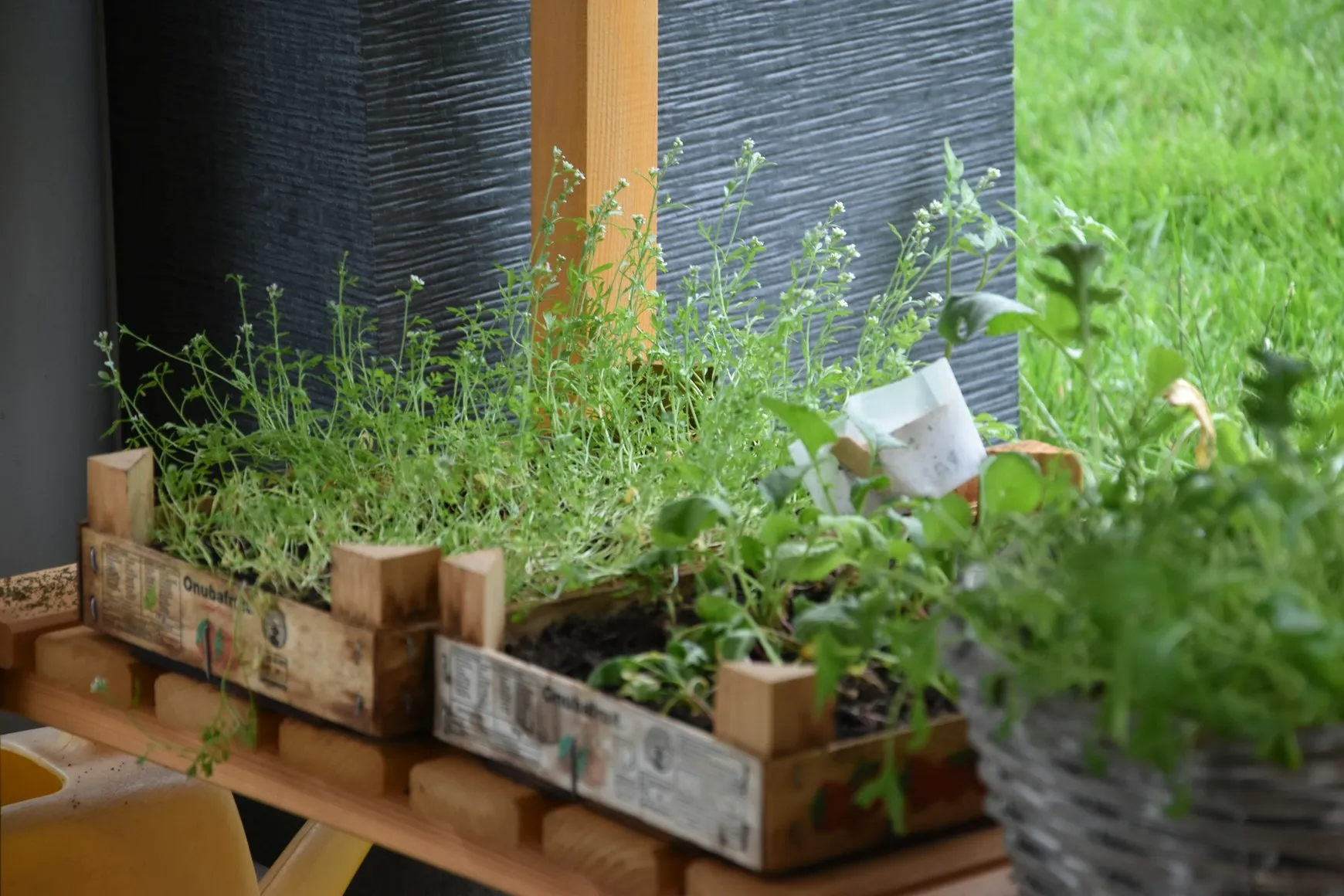
- Material: Common materials include terracotta, plastic, metal, and wood. Terracotta is porous and excellent for aeration but can dry out quickly. Plastic is lightweight and retains moisture well. Metal heats up fast and can cause overheating but looks stylish. Wood is aesthetically pleasing but needs to be treated to prevent rot.
- Size: Larger containers allow for better root development and less frequent watering. However, they can become heavy and cumbersome to move.
- Drainage: Ensure each container has sufficient drainage holes to prevent waterlogging. Consider placing a layer of gravel at the bottom of the pot to improve drainage efficiency.
Optimal Plant Selection
Selecting the right plants for your container garden is essential for success, particularly in limited spaces. Choose plants that thrive in the same environmental conditions and complement each other's growth patterns.
Best Plants for Container Gardens
Here are some plant categories that do exceptionally well in containers:
- Herbs: Basil, parsley, mint, and thyme are ideal choices as they require little space and can be used fresh from your garden.
- Vegetables: Tomatoes, peppers, lettuce, and radishes can all be grown successfully in containers. Opt for dwarf or bush varieties for even better results.
- Flowers: Marigolds, petunias, and geraniums add color and fragrance without demanding much room.
- Succulents: These are perfect for sunny spots and low-maintenance setups due to their drought-resistant nature.
Soil Choices: Creating a Healthy Base
The quality of the soil is paramount in container gardening since it provides essential nutrients and stability to plants. A good potting mix should offer a balance of moisture retention, drainage, and aeration. Avoid using garden soil directly as it tends to compact over time and may harbor pests or diseases.
DIY Potting Mix Recipe
Create your own nutrient-rich potting mix by combining the following ingredients:
- 1 part peat moss or coir (for moisture retention)
- 1 part perlite or vermiculite (to enhance drainage)
- 1 part compost (for nutrients)
This mix provides an ideal environment for root growth while ensuring sufficient drainage.
Watering Techniques: Ensuring Adequate Hydration
Water management is crucial in container gardening. Due to limited soil volume, containers can dry out more quickly than garden beds. Consistent watering is key to maintaining healthy plants.
Tips for Efficient Watering
- Check Moisture Levels: Insert your finger into the soil up to the first knuckle. If it feels dry at that depth, it's time to water.
- Water Deeply: Ensure water reaches all parts of the root system by watering until it flows from the drainage holes.
- Consider Self-Watering Pots: These containers have a reservoir at the bottom that automatically wicks moisture into the soil as needed.
Avoid overwatering by adjusting your schedule based on weather conditions; hot or windy days will require more frequent attention than cooler or overcast days.
Arranging Your Container Garden
The arrangement of your containers affects both aesthetics and functionality. To optimize growth and create a visually appealing setup:
- Create Tiers: Use plant stands or steps to create height differences, allowing each plant access to sunlight and making watering more efficient.
- Cluster Similar Plants: Group plants with similar water and light requirements together to streamline maintenance.
Pest Control in Containers
Pests can become a problem in any garden setting, including containers. To manage pests effectively:
- Use Neem Oil or Insecticidal Soap: These organic treatments are effective against many common pests like aphids and spider mites.
- Encourage Beneficial Insects: Ladybugs and lacewings can naturally reduce pest populations.
Regularly inspect your plants for signs of pest activity or disease, such as discolored leaves or stunted growth, so you can take prompt action.
Caring for Your Container Garden Year-Round
Maintenance tasks vary with the seasons but always revolve around the core practices of monitoring plant health and optimizing growing conditions. As seasons change, consider relocating containers to capture maximum sunlight or protect them from harsh weather conditions.
- Spring/Fall: Ideal times for planting new seeds or transplanting seedlings.
- Summer: Focus on hydration and pest control as temperatures rise.
- Winter: Move sensitive plants indoors or provide frost protection if necessary.
The Beauty of Container Gardens: A Case Study
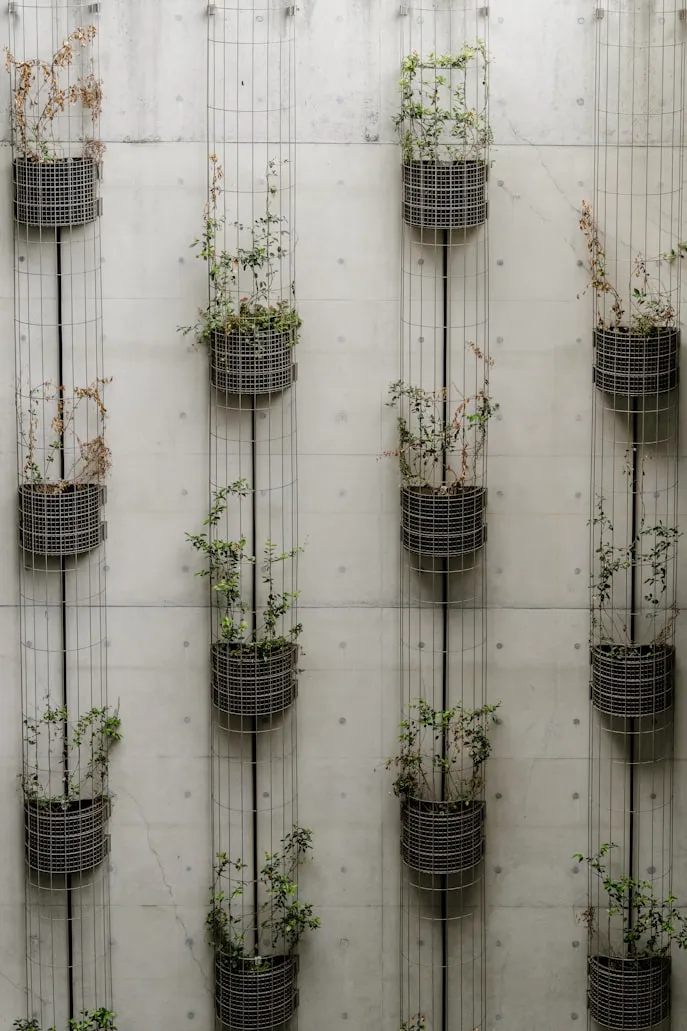
An urban homeowner, Susan Ellis from New York City, transformed her small balcony into a thriving container garden paradise. With limited space, she opted for vertical planters along railings filled with vibrant petunias and cascading ivy. Her mix of culinary herbs like basil and cilantro provided fresh ingredients year-round while saving money on grocery store purchases.
Susan adopted a regimented watering schedule using self-watering pots during summer heatwaves and supplemented her soil with homemade compost rich in nutrients. As a result, her small space flourished into a dynamic living area enjoyed by friends and family alike.
Conclusion: Bringing It All Together
A well-planned container garden brings vibrant life to any small yard space. By selecting suitable containers, choosing compatible plant species, maintaining optimal soil conditions, watering wisely, and controlling pests proactively, anyone can achieve gardening success regardless of spatial limitations. Start small, experiment with different arrangements and enjoy the transformation of your outdoor area into a lush sanctuary.