Understanding Vertical Gardening
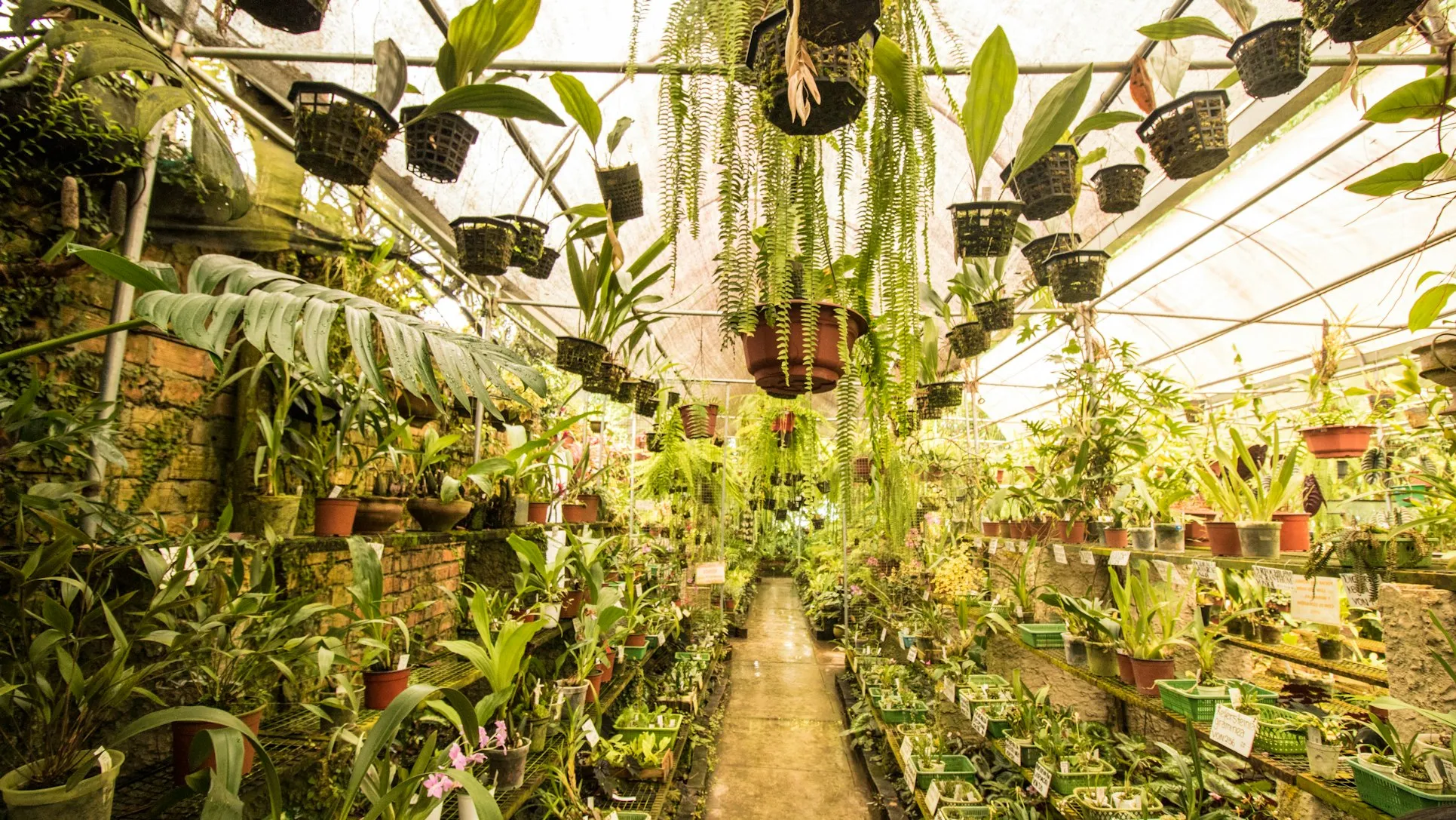
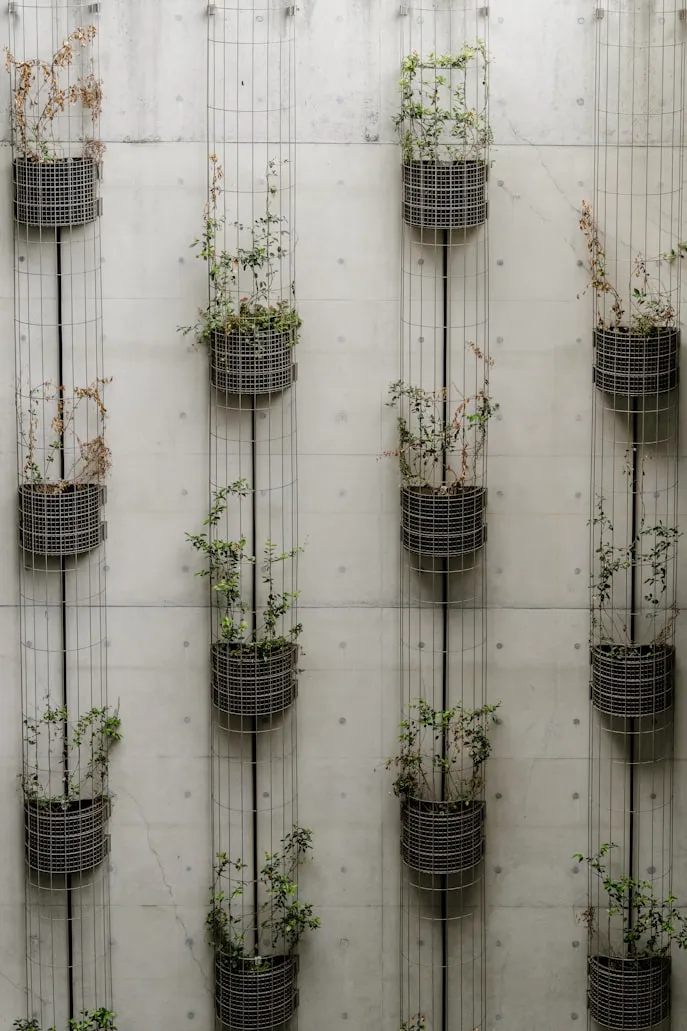
Vertical gardening is an innovative approach to maximize space, especially beneficial for small backyards or urban dwellings where horizontal space is at a premium. It involves growing plants upwards on a structure rather than spread out over a traditional garden plot.
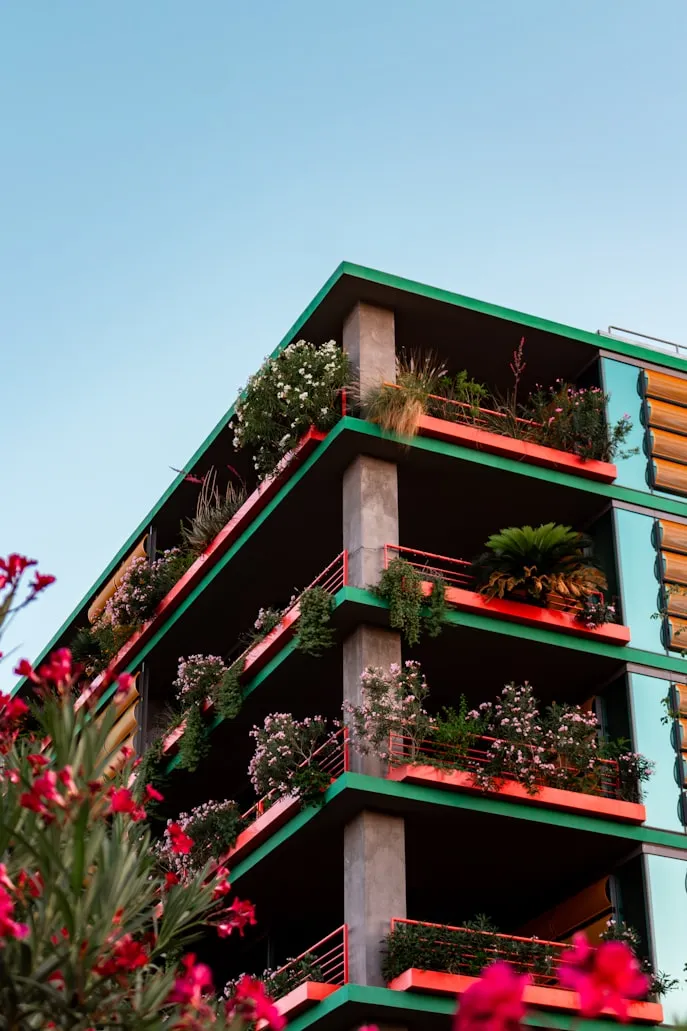
Vertical gardens can transform a dull wall into a lush green space and provide a creative way to repurpose materials, enhance biodiversity, and bring a touch of nature into the concrete jungle.
The Benefits of Vertical Gardens
- Space Efficiency: Ideal for small spaces, vertical gardens make use of vertical areas that often go unused.
- Improved Air Quality: Plants can improve air quality by absorbing pollutants and releasing oxygen.
- Aesthetic Appeal: Vertical gardens can serve as living art pieces, adding beauty and greenery to any environment.
- Accessibility: Easier access to plants without bending down; great for people with mobility issues.
Using Repurposed Materials
Creating a vertical garden doesn’t have to be costly or resource-intensive. By using repurposed materials, you can craft an eco-friendly and economical gardening solution. This method not only saves money but also helps reduce waste.
Pallets
Wooden pallets are one of the most popular choices for building vertical gardens. They're readily available, often free, and versatile. Here’s how to turn a pallet into a vertical planter:
- Ensure the pallet is safe for use. Look for heat-treated pallets (marked HT) rather than chemically treated ones (marked MB).
- Sand the pallet to smooth any rough edges that might harm your plants.
- Line the back and sides with landscaping fabric or plastic to retain soil and moisture.
- Fill the pallet with soil and plant your chosen flora through the slats.
This simple method is perfect for growing shallow-rooted plants like herbs and succulents.
Gutter Gardens
Old gutters can be transformed into planters that are lightweight and easy to mount. This setup is particularly effective for growing lettuce and strawberries. Here’s a basic guide:
- Cut the gutter into desired lengths using a saw.
- Drill drainage holes along the bottom of each section.
- Attach end caps and hang the gutters using sturdy brackets against a wall or fence.
- Fill with soil and add your plants.
This method allows for easy watering and maintenance while keeping pests at bay.
Soda Bottles
Soda bottles are another excellent material for vertical gardening, offering a compact solution ideal for herbs and small vegetables:
- Clean and remove labels from the bottles.
- Cut an opening on the side of each bottle, opposite to where it will hang.
- Create drainage holes in the bottom.
- Thread a strong rope through each bottle, tying knots below to support them.
- Fill with soil and plant seeds or seedlings in the openings.
This approach recycles plastic while providing an efficient vertical gardening system.
Diverse Plant Selections
Selecting the right plants is crucial for a successful vertical garden. Consider these factors when making your choice:
- Climate Suitability: Choose plants that thrive in your local climate to ensure longevity.
- Light Requirements: Match plants’ light needs with the sunlight available in your vertical space.
Herbs
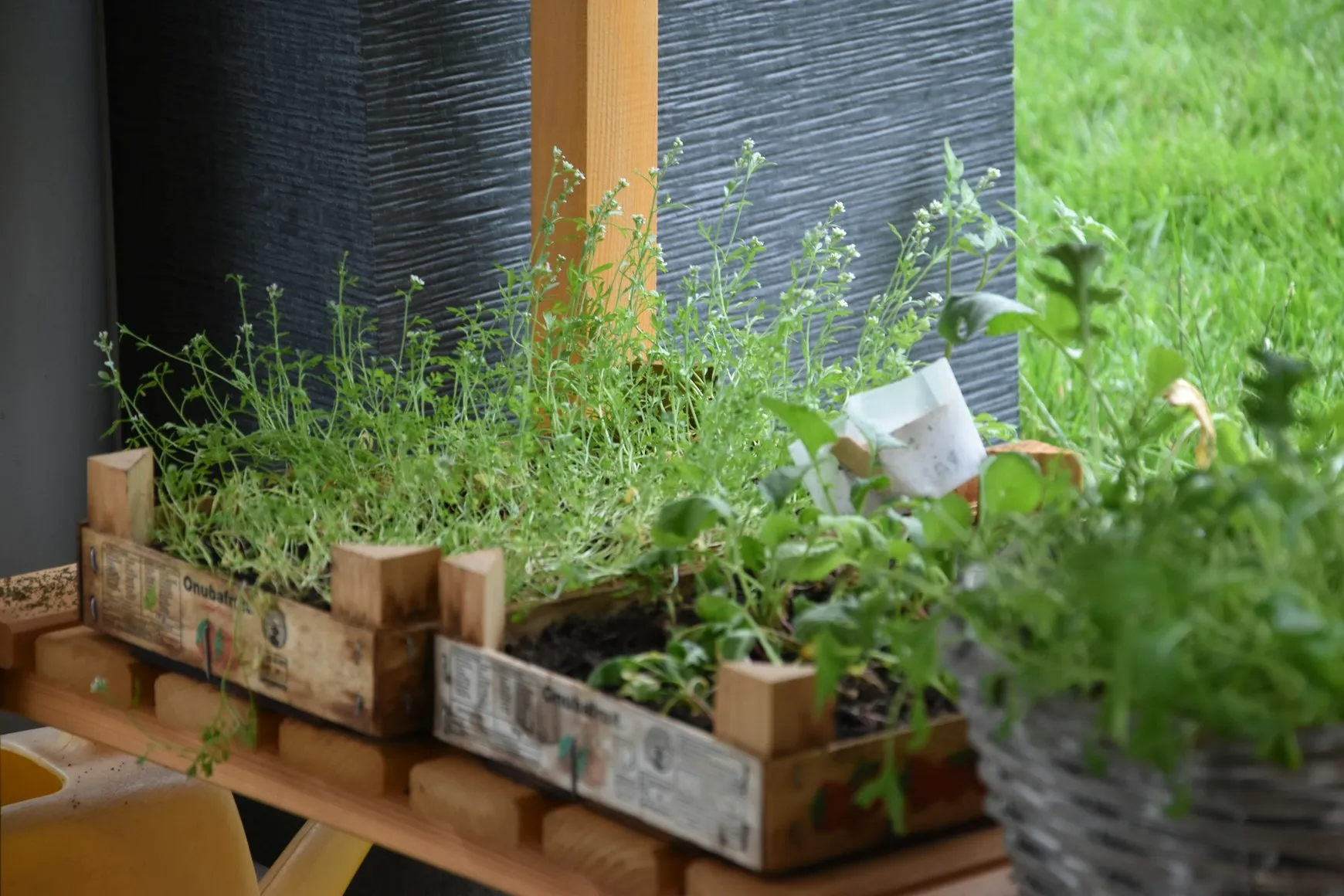
Herbs like basil, cilantro, and thyme are great choices for vertical gardens due to their compact size and usefulness in cooking. They require minimal space and can thrive with limited resources.
Shrubs and Flowers
If aesthetics are a priority, consider incorporating flowering plants like petunias or ivy. These add color and charm but may require more care and attention compared to hardier herbs.
Vegetables
For those interested in edible gardens, leafy greens such as spinach, arugula, and lettuce are ideal as they grow well in vertical settings. Ensure you have appropriate lighting and water systems in place for best results.
Irrigation Systems
Watering can be challenging in vertical setups due to gravity pulling moisture away from plants. Here are a few solutions:
- Drip Irrigation: Install a drip system with hoses running through your garden to deliver water directly to roots efficiently.
- Self-Watering Reservoirs: Use containers with built-in reservoirs to keep soil moist longer.
Conclusion
Creating a vertical garden with repurposed materials not only brings greenery into tight spaces but also promotes sustainability by recycling objects that might otherwise be discarded. Whether you choose pallets, gutters, or soda bottles, there’s a myriad of ways to design your own lush vertical oasis. With careful planning around plant selection and irrigation, even the smallest backyard can become a vibrant green haven.