Understanding Raised Bed Gardening
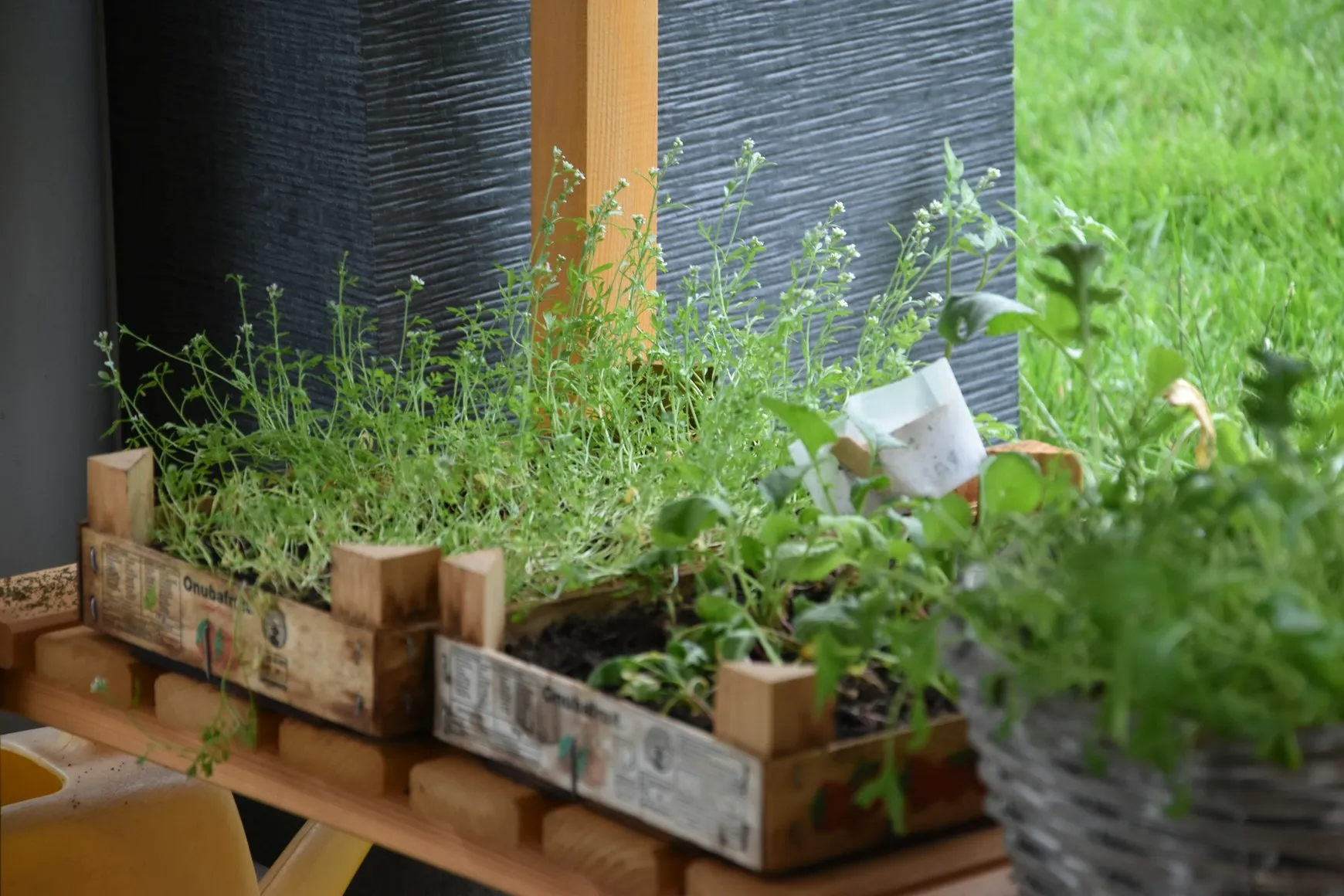
Raised bed gardening has become increasingly popular among both novice and experienced gardeners. A raised bed is essentially a contained space where the soil is elevated above the ground level, usually enclosed within a structure made from wood, stone, or metal. These structures can vary in height, from as little as six inches to as high as waist level. By elevating the planting surface, gardeners are provided with a host of advantages that are not as readily available with traditional in-ground planting.
Soil Control and Quality
One of the key benefits of using raised beds is the ability to control the quality and composition of the soil. Gardeners can select soil mixtures that are ideal for the specific crops they wish to grow, ensuring that plants receive optimal nutrients and drainage. For example, those living in areas with heavy clay or sandy soils, which can be challenging for plant growth, may find that raised beds allow for much more productive gardening since they can fill their beds with loamy, well-aerated soil.
An illustrative example comes from a community garden project in Austin, Texas, where volunteers constructed several raised beds filled with a blend of compost, peat moss, and vermiculite. This mixture dramatically improved plant health compared to the native clay soil that was low in nutrients and prone to compaction.
Extended Growing Seasons
Raised beds can help extend the growing season, particularly in cooler climates. The elevated soil warms up more quickly in the spring compared to in-ground plots, allowing for earlier planting. In the fall, thermal mass from the raised structure can keep the soil warm longer. Gardeners in northern regions have reported being able to plant cold-hardy vegetables like kale and spinach weeks earlier than their neighbors using traditional methods.
Accessibility and Ergonomics
For many gardeners, physical accessibility is a crucial consideration. Raised beds can be designed to accommodate individuals with mobility challenges, allowing them to enjoy gardening without having to bend down to ground level. This setup not only helps prevent strain on the back and knees but also makes it possible for older adults or those with disabilities to participate more fully in gardening activities.
Design Flexibility
The design possibilities for raised beds are extensive. They can be configured into various shapes and sizes to fit almost any outdoor space. Some gardeners choose to install raised beds in geometric patterns for both aesthetic appeal and efficient use of space. For example, urban gardens in cities like New York have utilized triangular raised beds to maximize small corner plots that would otherwise go unused.
Challenges and Considerations for Raised Beds
Despite their benefits, raised beds are not without challenges. The initial cost can be higher than traditional in-ground planting due to materials needed for construction and soil filling. Additionally, gardeners must consider watering needs; raised beds typically require more frequent watering since they drain more efficiently than in-ground plots.
Cost Implications
Constructing a raised bed involves a financial investment. Depending on the materials chosen—ranging from repurposed wood to decorative stone—the cost can vary widely. For instance, cedar wood, known for its durability and resistance to rot, can significantly increase the expense but will last longer than cheaper options like pine.
Benefits of Traditional In-Ground Planting
While raised beds offer distinct advantages, traditional in-ground planting remains popular due to its simplicity and minimal initial costs. This method leverages the natural landscape and allows gardeners to cultivate larger areas without the constraints of a boxed structure.
Space Efficiency
In-ground planting is particularly advantageous for larger gardens or farms where maximizing space is important. Without the need for walkways between individual raised beds, more land is available for planting crops. This method works well for sprawling plants such as squash or pumpkin that require ample room to spread out.
Natural Ecosystem Integration
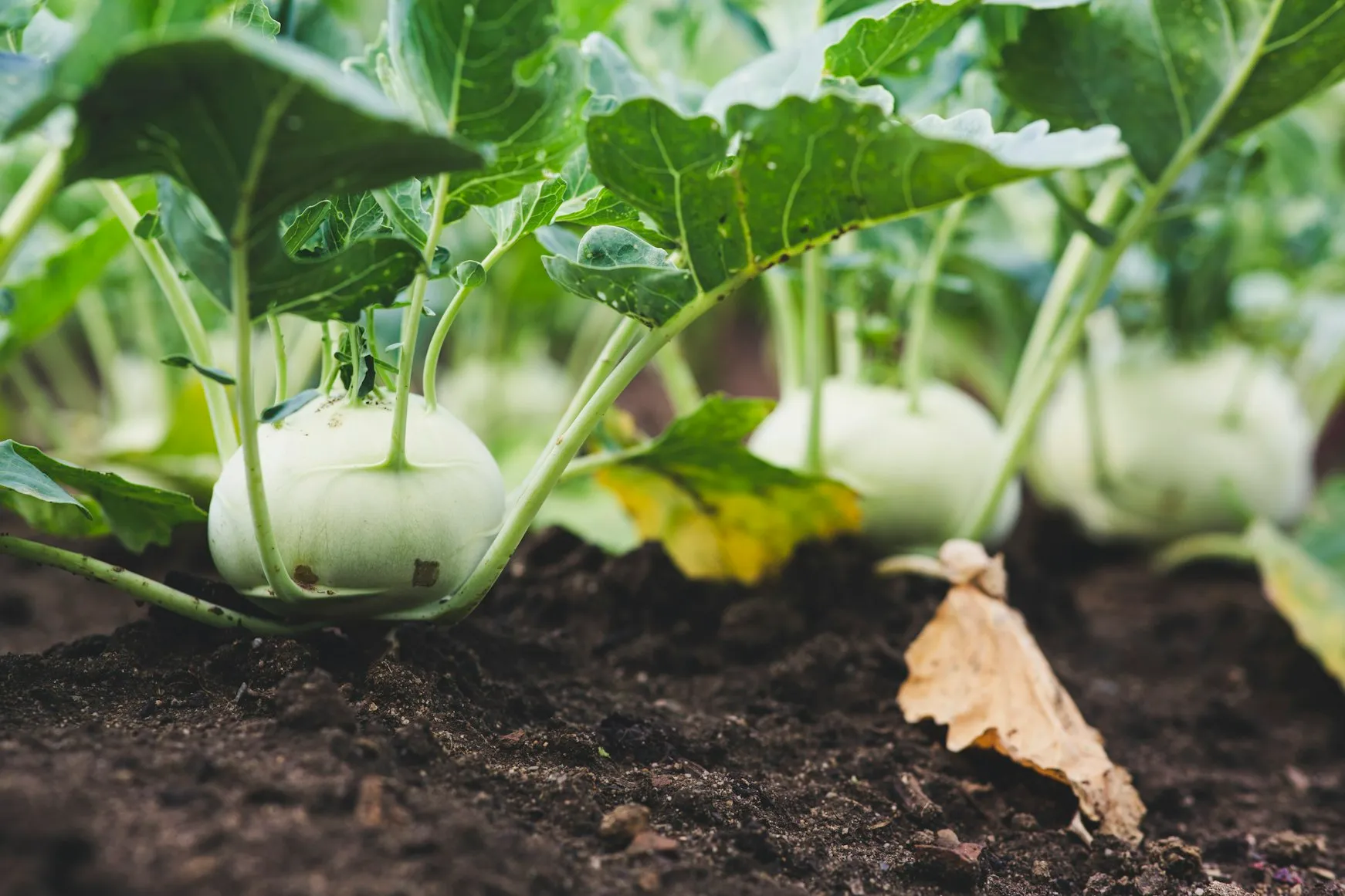
Plants grown directly in the earth benefit from naturally occurring microorganisms and insects that contribute to a healthy ecosystem. Earthworms, for example, play a crucial role in aerating the soil and breaking down organic material into nutrients that plants can absorb. In areas where soil health is robust, in-ground planting can thrive without additional amendments.
Choosing the Right Approach for Your Garden
Deciding between raised beds and traditional in-ground planting ultimately depends on several factors including climate, soil conditions, budget, and personal preferences. For those with poor soil conditions or limited physical ability, raised beds might be an ideal solution. Meanwhile, gardeners with large plots of arable land and minimal resource constraints may find traditional methods more suitable.
Case Study: Urban versus Rural Gardening
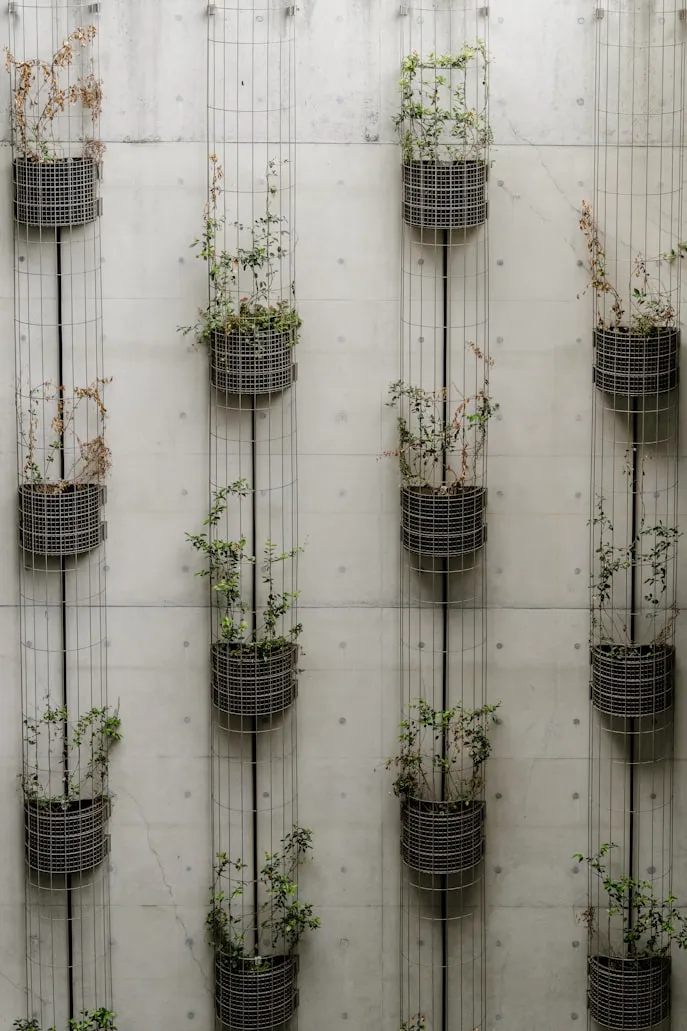
Consider an urban gardener living in San Francisco with limited space and access to sunlight versus a rural gardener outside Kansas City with acres of fertile soil. The urban gardener might choose raised beds made from recycled steel to fit a rooftop garden, capitalizing on vertical space and customized soil mix. Conversely, the rural gardener can effectively utilize large tracts of land by planting directly into rich, fertile soil without incurring extra costs from constructing raised beds.
Conclusion: Tailoring Your Garden to Fit Your Needs
Ultimately, both raised bed gardening and traditional in-ground planting have their place in home improvement strategies related to outdoor spaces. By carefully considering your unique circumstances and priorities—whether it's controlling soil quality, managing costs, or addressing physical accessibility—you can choose the approach that best meets your gardening goals.