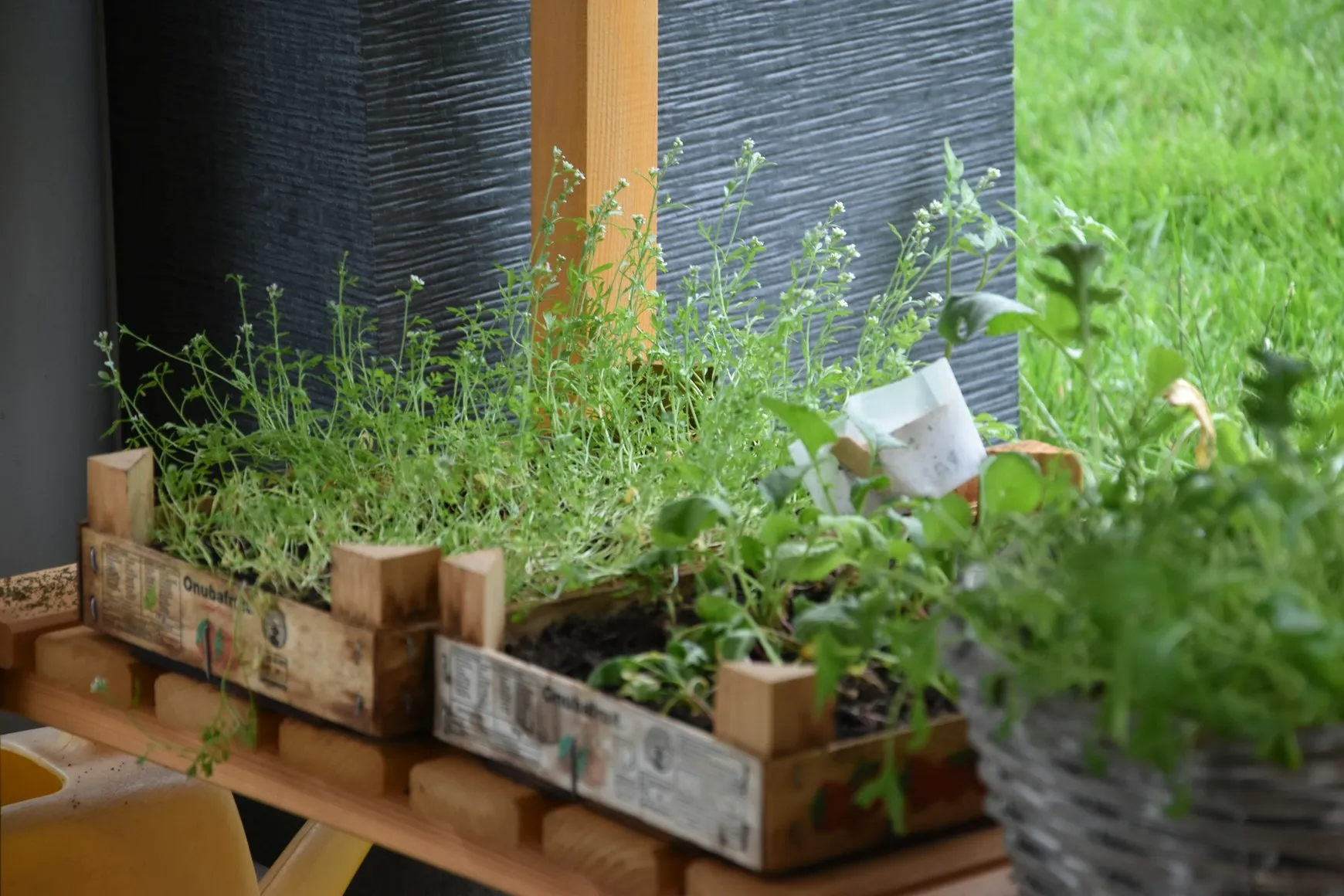
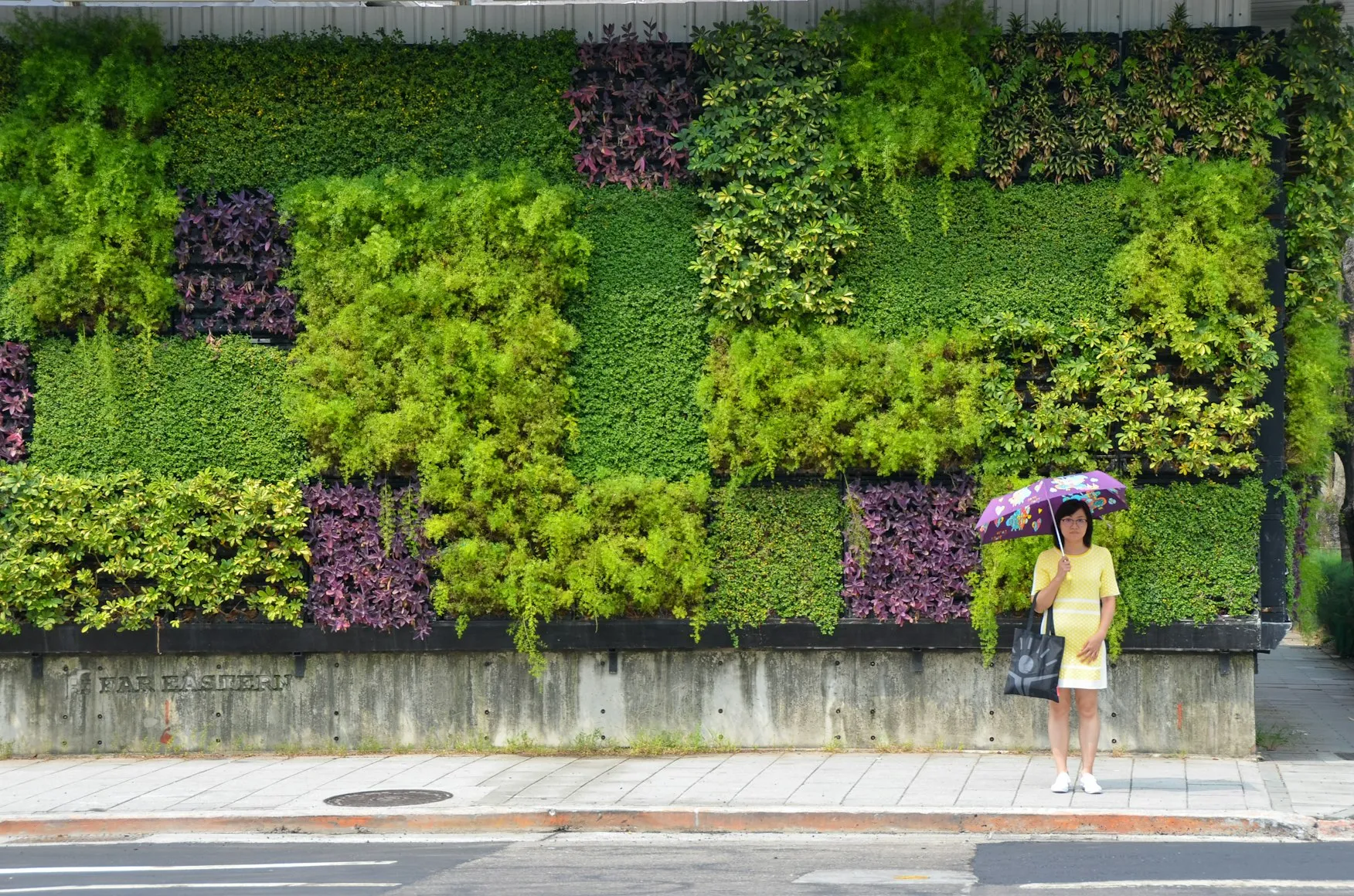
The Need for Urban Greenery
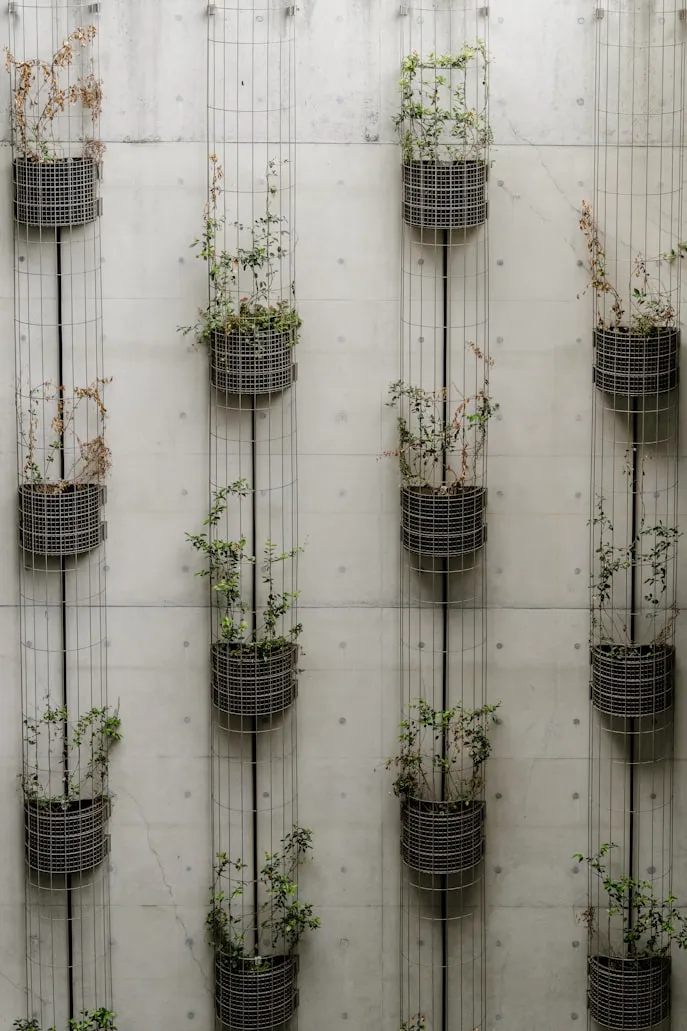
Urban areas are notorious for their concrete jungles, where green spaces are often limited or neglected. Introducing more greenery into cities isn't just about beautifying these spaces but also enhancing biodiversity and sustainability. With the right techniques, urban residents can create outdoor environments that are both visually appealing and ecologically beneficial.
Eco-Friendly Landscaping Techniques
Creating an eco-friendly landscape in urban settings involves thoughtful planning and execution. Here are some techniques to consider:
Native Plant Selection
One of the most effective ways to foster biodiversity is by using native plants. These plants are adapted to the local climate, requiring less water and maintenance. Moreover, they provide habitats for local wildlife such as birds, butterflies, and beneficial insects.
- Benefits: Native plants support the local ecosystem, reduce water usage, and require fewer pesticides.
- Example: In New York City, incorporating plants like the Eastern Redbud or Black-eyed Susan can enhance urban landscapes.
Water Conservation Methods
Water is a precious resource, especially in urban areas where runoff and consumption are significant issues. Implementing water conservation techniques can save money and support sustainability.
- Xeriscaping: This involves landscaping with drought-resistant plants and reducing the need for irrigation.
- Rain Gardens: Designed to capture and absorb rainwater, these gardens prevent runoff and improve water quality.
Incorporating a mix of these methods can significantly reduce water consumption, aiding both the homeowner's pocketbook and the environment.
Aesthetic Appeal vs. Ecological Benefits
While creating an ecologically sound landscape is crucial, aesthetics cannot be overlooked. The key is finding a balance between beauty and biodiversity.
Integrating Ornamental and Native Plants
It's possible to achieve visual appeal by combining native plants with ornamental ones. This blend can offer a diverse range of colors and textures while maintaining ecological benefits.
- Consider the Seasons: Choose plants that bloom at different times of the year to ensure your garden remains vibrant throughout.
- Create Focal Points: Use ornamental trees or shrubs to draw attention, surrounded by native grasses or perennials.
Sustainable Hardscaping Options
Hardscaping refers to the non-plant elements of a garden such as patios, pathways, and walls. Sustainable options include:
- Permeable Pavers: These allow water to pass through, reducing runoff.
- Recycled Materials: Use reclaimed wood or recycled stone for a unique look that minimizes environmental impact.
The integration of sustainable hardscaping with lush greenery can create a stunning yet environmentally friendly outdoor space.
Practical Tips for Urban Gardeners
Implementing these ideas requires strategic planning and execution. Here are some practical tips for urban gardeners:
Create a Plan
Begin with a detailed plan that outlines your goals. Consider the size of your space, the sunlight it receives, and your personal preferences.
- Sketch Your Layout: Drawing your garden plan helps visualize the final result and allows for easier adjustments.
- Research Plant Choices: Familiarize yourself with local flora to select the most appropriate species.
Soil Preparation
A good foundation is crucial for any successful garden. Urban soils often need improvement to support healthy plant growth.
- Add Organic Matter: Compost or manure can enrich soil quality, promoting better growth.
- Test Soil pH: Make sure the soil’s acidity or alkalinity aligns with your chosen plants' needs.
Sustainable Maintenance Practices
Regular maintenance keeps your garden healthy and thriving without harming the environment.
- Mulching: Apply organic mulch to retain soil moisture and suppress weeds.
- Pest Management: Encourage beneficial insects like ladybugs or use natural repellents instead of chemical pesticides.
The Trade-Offs of Urban Greenery
The journey to cultivating a beautiful and biodiverse urban garden comes with challenges and trade-offs:
Cost vs. Long-Term Savings
While initial investments in native plants and sustainable materials might be higher, long-term savings on water, fertilizers, and pesticides can offset these costs.
Aesthetics vs. Ecosystem Health
The temptation to prioritize aesthetics over ecosystem health can be strong. Striking a balance ensures both visual satisfaction and ecological integrity.
The success of an urban green space lies in its ability to serve as an oasis for people and nature alike. By carefully considering plant choices, water conservation methods, and sustainable landscaping practices, you can create a thriving habitat that is as visually delightful as it is ecologically sound.