The Rise of Vertical Gardening
In urban environments, where outdoor space is often limited, maximizing every square inch becomes essential. Vertical gardening has emerged as a solution to this challenge, transforming bare walls and small yards into lush, green sanctuaries. This technique not only enhances the aesthetic appeal of your outdoor area but also allows for greater biodiversity in small spaces.
Vertical gardening can be an effective way to utilize minimal space while adding an element of greenery and freshness to your surroundings. It's also an excellent option for those wanting to grow herbs, vegetables, or ornamental plants without the need for sprawling garden beds.
Wall Planters: The Basics
Wall planters are structures designed to hold plants on vertical surfaces. These can range from simple pots affixed to walls to more sophisticated systems with built-in irrigation. The choice largely depends on your budget, the kind of plants you want to grow, and the aesthetic you're aiming for.
- Simple Pot System: Ideal for beginners, this involves attaching individual pots to a wall using brackets or hooks.
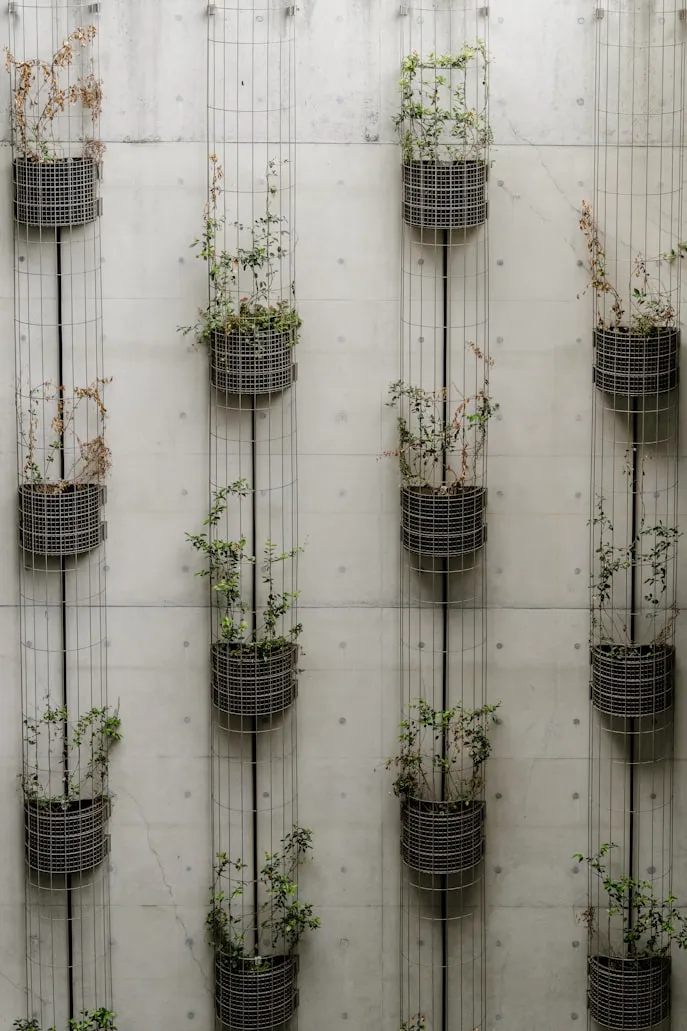
- Living Walls: These are more complex installations with pockets or panels that can accommodate multiple plants. Some living walls include irrigation systems.
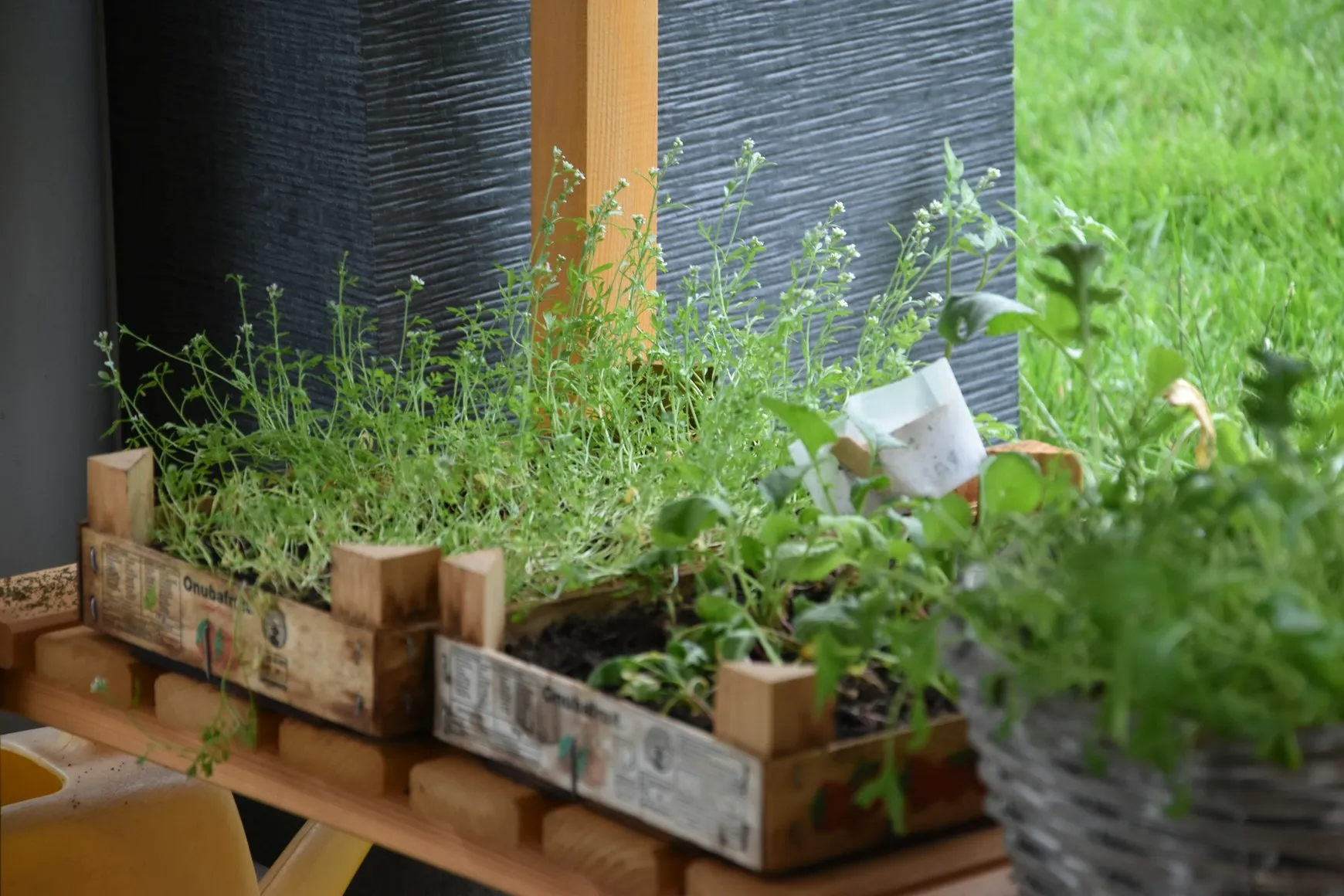
- Repurposed Materials: Using items like pallets or old gutters can be a cost-effective way to create your wall planter.
Getting Started: Planning Your Vertical Garden
Before installing a wall planter, it's important to plan carefully. Consider factors like light exposure, weight limits of the wall, and plant selection. Here's a step-by-step guide:
Step 1: Choose Your Location
Select a wall that receives adequate sunlight based on the types of plants you wish to grow. For instance, herbs typically require more sunlight than some shade-loving flowers.
Step 2: Decide on Plant Types
Research plants that are well-suited for vertical growth. Options include strawberries, lettuce, succulents, and herbs such as basil and thyme. Ensure they are compatible in terms of water and light requirements.
Step 3: Select Your Planter Style
Your choice should reflect both your personal taste and practical needs. For a rustic look, you might choose wooden pallets; for a sleek modern aesthetic, metal or plastic systems could be better suited.
Step 4: Prepare the Wall
Ensure your wall can support the weight of your planters and the soil. If necessary, reinforce it with additional support structures.
Building a Pallet Wall Planter
Pallets are a popular choice for creating affordable and sustainable wall planters. Here’s how you can build one:
- Materials Needed: A wooden pallet, landscape fabric, staple gun, potting soil, and plants.
- Preparing the Pallet: Sand down any rough edges to prevent splinters. Cut pieces of landscape fabric to fit the back and sides of the pallet. Use the staple gun to secure the fabric, ensuring it's tight enough to hold the soil but with space to allow excess water to escape.
- Planting: Lay the pallet flat and fill it with potting soil through the slats. Once filled, insert plants into the gaps between the slats, starting at the bottom and working upwards.
- Mounting: Use strong hooks or brackets suitable for the weight of the pallet once it's filled with soil and plants. Ensure it's secure enough to withstand wind or other outdoor elements.
Caring for Your Vertical Garden
Maintaining a vertical garden involves regular watering, pruning, and pest control. Here are some tips:
- Irrigation: Drip irrigation systems are particularly effective as they ensure even distribution of water.
- Nutrient Management: Because vertical gardens often use limited soil volume, consider adding slow-release fertilizers.
- Pest Control: Inspect plants regularly for pests such as aphids or spider mites. Use organic pest control methods where possible.
Real-Life Examples and Inspirations
A homeowner in San Francisco transformed a small backyard wall into an herb garden using metal planters arranged in a geometric pattern. The installation not only provided fresh ingredients for cooking but also became an attractive focal point of their outdoor space.
Another example comes from a Melbourne-based cafe that used reclaimed wooden pallets to create a living wall of ferns and succulents. This feature not only drew customers’ attention but also contributed to improving air quality inside the cafe.
The Benefits of Vertical Gardening
The advantages of vertical gardening extend beyond aesthetics. Here are several key benefits:
- Space Efficiency: By utilizing vertical space, you can grow more plants in less ground area.
- Biodiversity: Creating vertical gardens can support a wider variety of plant species, promoting biodiversity.
- Air Quality Improvement: Plants naturally filter pollutants from the air, which is especially beneficial in urban areas.
A Mini-Framework for Vertical Gardening Success
To help you implement successful vertical gardening projects at home, consider this practical mini-framework:
- Assess Space: Evaluate potential walls or fences in your outdoor area for sunlight exposure and weight capacity.
- Select Sustainable Materials: Whenever possible, use recycled materials like pallets or reclaimed wood to minimize environmental impact.
- Create a Diverse Plant Palette: Include a mix of decorative and functional plants (e.g., flowering plants alongside vegetables).
- Implement Efficient Watering Techniques: Drip irrigation or self-watering pots can reduce water waste and effort.
By following these guidelines, you'll be able to transform your small outdoor spaces into vibrant vertical gardens that enhance both beauty and utility in your home environment.