The Essence of Bathroom Harmony
Remodeling a bathroom is an opportunity to blend aesthetic appeal with practical usability. Achieving harmony between form and function requires careful consideration of design elements, materials, and layouts to optimize the space. This article explores how to make informed decisions in bathroom renovations, balancing beauty with utility.
Designing for Aesthetic Appeal
Choosing the Right Color Palette
Color can significantly impact the mood and perception of space. Light colors can make a small bathroom appear larger, while darker tones add a touch of luxury but can shrink the sense of space. Consider a neutral palette with accent colors for flexibility in decor changes. Popular choices include muted grays, soft whites, and pastels.
Tiles: The Foundation of Style
Tiles play a crucial role in bathroom aesthetics. Ceramic tiles offer durability and moisture resistance, while natural stone tiles provide a luxurious feel but require more maintenance. Porcelain tiles offer a middle ground with their robustness and variety of styles. Consider mosaic patterns for artistic flair or subway tiles for a classic look.
Lighting: More Than Just Illumination
Effective lighting can transform the bathroom experience. Incorporate layered lighting strategies: ambient lighting for general illumination, task lighting around mirrors for grooming, and accent lighting to highlight architectural features. LED lights are energy-efficient and provide flexibility in color temperature to match any design theme.
Pursuing Functional Excellence
Space-Saving Layouts
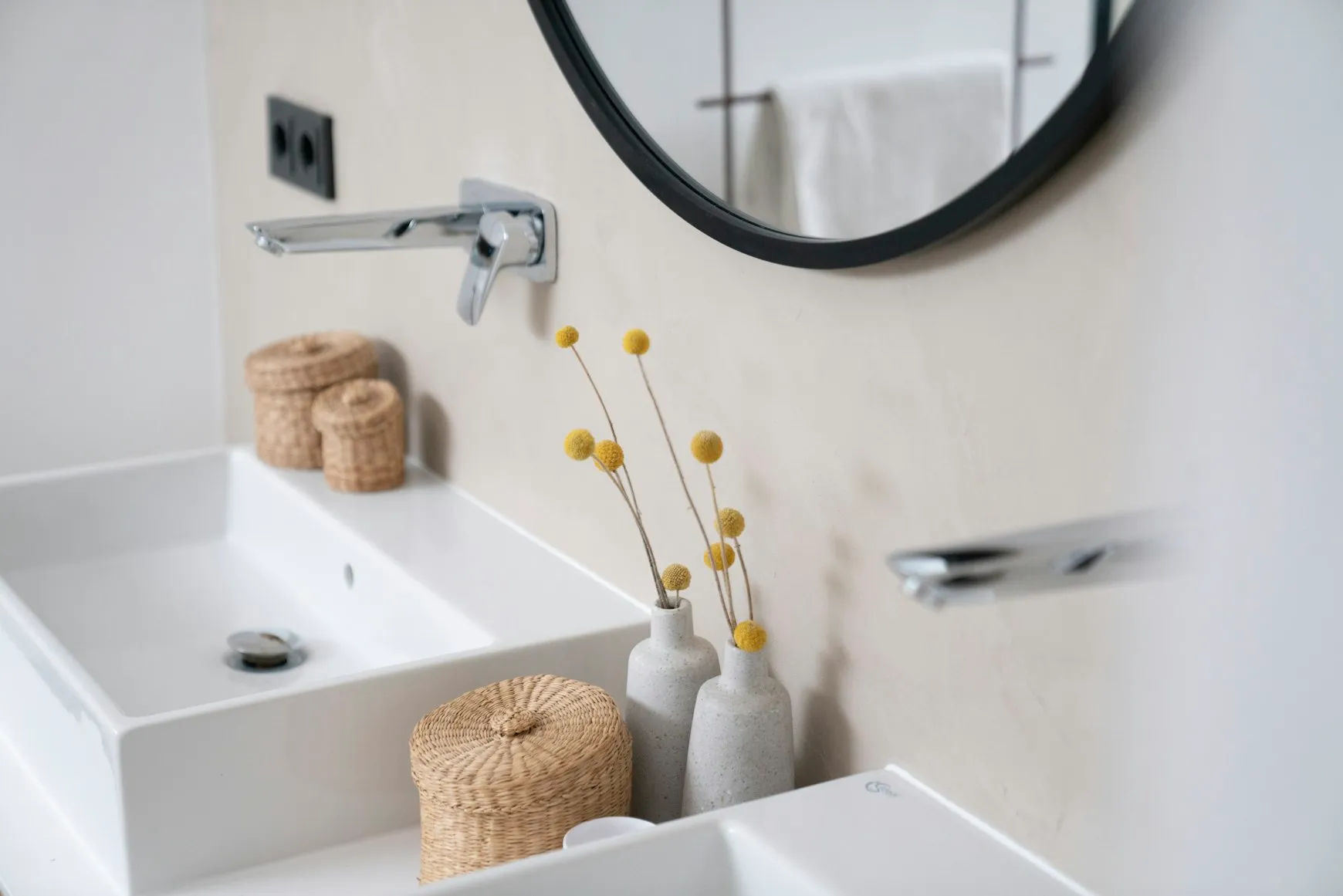
Maximize functionality in small bathrooms by prioritizing layouts that enhance flow. Consider wall-mounted sinks or vanities to free up floor space. Opt for sliding doors instead of traditional swing doors to save on clearance. Strategically place fixtures to avoid crowding and ensure ease of movement.
Storage Solutions
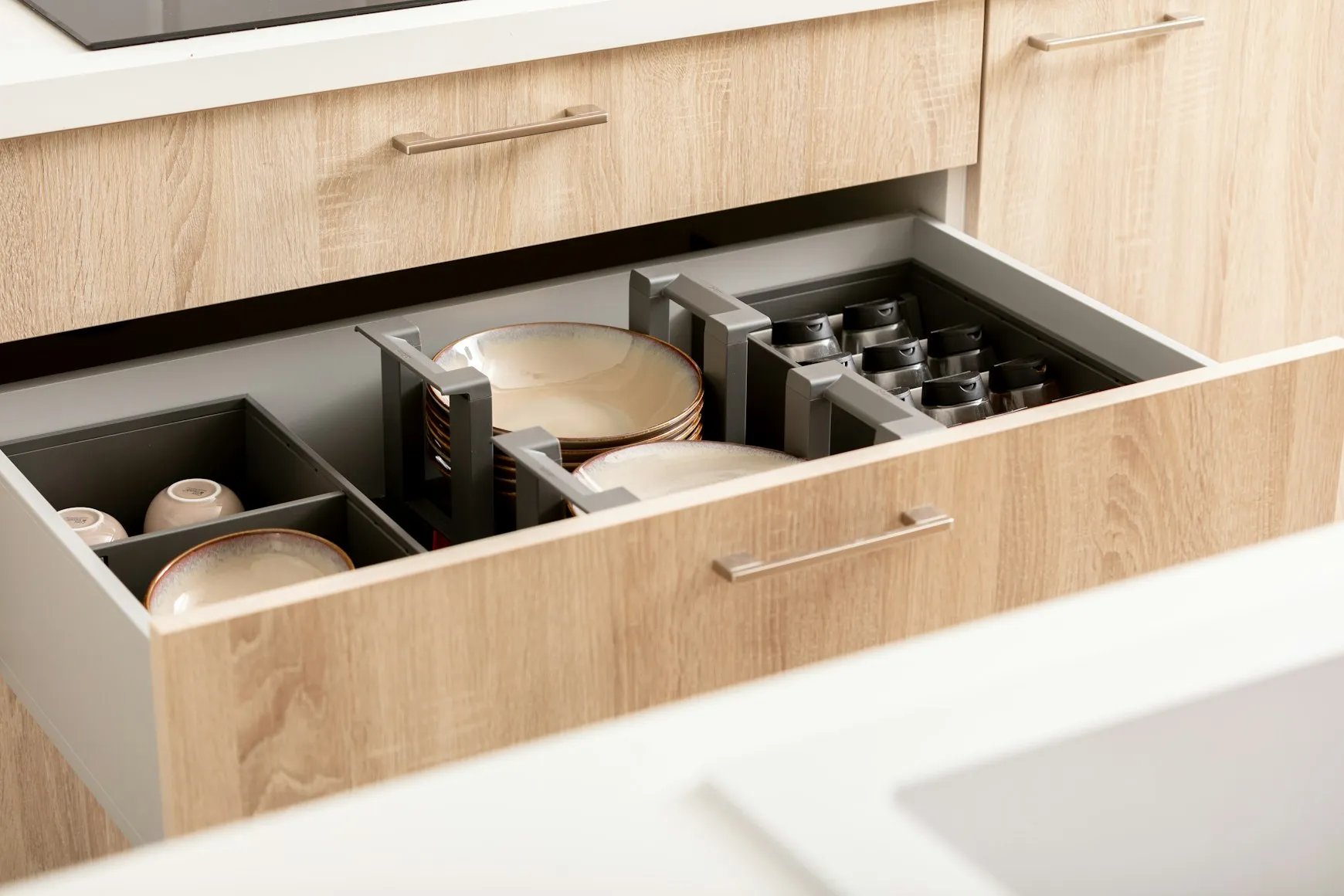
A functional bathroom requires ample storage without compromising aesthetics. Floating shelves can add vertical storage without overwhelming the space. Built-in niches within shower areas provide convenient storage while maintaining clean lines. Choose cabinets with mirrored fronts to enhance light distribution and expand visual space.
Plumbing Choices
Functionality in plumbing is vital for a practical bathroom experience. Consider dual-flush toilets for water conservation or smart toilets with bidet functions for enhanced hygiene. For faucets, single-lever designs offer ease of use while conserving space compared to traditional two-handle models.
The Trade-Offs: Form vs. Function
Every design choice involves trade-offs between aesthetics and functionality:
- Material Choice: While natural stone offers unmatched beauty, ceramic or porcelain might be preferred for their lower maintenance needs.
- Fixture Styles: Vintage clawfoot tubs add charm but may not fit smaller spaces; modern built-in bathtubs could offer better utility in compact areas.
- Shower Enclosures: Frameless glass enclosures are sleek but costlier; consider semi-frameless or framed options for budget-conscious projects.
Real-Life Examples: Case Studies
A Small Urban Bathroom Renovation
A couple living in a metropolitan apartment faced the challenge of renovating their tiny bathroom. They opted for light ceramic tiles to open up the space visually. A wall-mounted vanity with an under-sink storage unit helped manage clutter. By installing a frameless shower door, they maintained an open and airy feel, which was complemented by LED strip lighting along the ceiling perimeter for soft ambient light.
A Suburban Luxury Retreat
This renovation focused on turning a master bathroom into a spa-like retreat. With abundant space available, homeowners chose expansive natural stone flooring paired with custom cabinetry in rich walnut finishes. An oversized freestanding tub served as the focal point, while dimmable recessed lighting created an adaptable ambiance. The strategic use of frosted glass partitions balanced privacy and light diffusion.
The Planning Workflow
- Set Clear Objectives: Determine what aspects of form and function are most important based on usage patterns and personal style preferences.
- Create a Budget: Identify how much you're willing to spend on various elements such as materials, labor, and fixtures.
- Consult Professionals: Engage with designers and contractors who can provide insights into feasibility and innovative solutions.
- Select Materials: Choose materials based on durability, maintenance requirements, and aesthetic goals.
- Execution: Develop a timeline with your contractor to ensure smooth progress with minimal disruption.
Sustainability in Bathroom Design
Sustainable choices in bathroom remodeling enhance environmental responsibility while reducing long-term costs:
- Opt for water-efficient fixtures such as low-flow faucets and dual-flush toilets to conserve water usage.
- Select sustainable materials like bamboo or recycled glass tiles that offer both durability and reduced environmental impact.
- Use VOC-free paints and adhesives to improve indoor air quality and minimize health risks.
Final Thoughts on Harmonious Bathroom Design
A harmonious bathroom blends style with substance, requiring thoughtful planning and execution. Each decision, from color palette to fixture selection, contributes to achieving balance between form and function. By considering trade-offs carefully and prioritizing individual needs, homeowners can create bathrooms that are both beautiful and practical.