The Evolution of Kitchen Spaces: Traditional vs. Open-Concept
In the evolving world of home design, the kitchen has gradually emerged as a central hub for activity. The traditional kitchen was often a separate space, tucked away from the rest of the living area. However, modern lifestyles have given rise to the open-concept kitchen, which merges cooking areas with dining and living spaces, creating a more inclusive environment.
But what makes an open-concept kitchen so appealing, and are there drawbacks compared to its traditional counterpart? In this article, we'll delve into the distinct characteristics of each layout, exploring their suitability based on individual needs and preferences.
Open-Concept Kitchens: The Benefits
Enhanced Social Interaction
An open-concept kitchen design fosters interaction by removing barriers between spaces. This allows hosts to engage with guests while preparing meals, creating a more connected and social atmosphere. For families, it ensures that parents can supervise children or participate in conversations without leaving the cooking area.
Maximized Space Utilization
By eliminating walls that divide the kitchen from other areas, open layouts make rooms appear larger and more spacious. This is particularly beneficial for smaller homes or apartments where maximizing usable space is essential.
Improved Natural Light
Without walls obstructing windows, natural light can flow freely throughout the space. This not only enhances the overall ambiance but can also reduce energy costs by minimizing the need for artificial lighting during daylight hours.
Challenges of Open-Concept Kitchens
Lack of Privacy
One significant downside to an open-concept design is the lack of privacy. The activities of cooking, eating, and living all occur in one shared area, which might not be ideal for those who value a sense of separation between these functions.
Noise Management
The absence of barriers means noise travels easily across spaces. This can be problematic when trying to manage sound levels from cooking appliances, televisions, or conversations simultaneously occurring in the shared area.
Maintenance and Cleanliness
An open-concept kitchen requires diligent upkeep as any mess or clutter is visible from other parts of the house. It demands a commitment to cleanliness and organization that not every homeowner may find appealing or manageable.
Traditional Kitchens: The Advantages
Defined Functional Spaces
Traditional kitchens offer clearly defined boundaries between cooking, dining, and living areas. This segmentation can help focus on specific tasks without distraction, providing a clear distinction between food preparation and other activities.
Reduced Noise Pollution
With enclosed walls, noise is contained within the kitchen, making it easier to maintain peace in other parts of the home. This layout is particularly favorable for households where different members may want to engage in various activities simultaneously without interruption.
Improved Privacy and Personal Space
A separate kitchen offers privacy for those who may prefer solitude while cooking. It can also serve as a retreat or workspace away from other household activities, offering an escape from the hustle and bustle of a busy home.
Drawbacks of Traditional Kitchens
Restricted Social Interaction
The walls that provide privacy in traditional kitchens also create isolation. It can be challenging for hosts to interact with guests or family members while preparing meals, potentially missing out on social engagement opportunities.
Limited Space Utilization
The compartmentalized nature of traditional designs can make homes feel smaller and more constrained. Each room functions independently, which might not be optimal for smaller homes where maximizing space is crucial.
Deciding Between Open-Concept and Traditional Kitchens
Choosing between an open-concept and a traditional kitchen depends largely on your lifestyle and personal preferences. Here are some factors to consider:
- Lifestyle: If you enjoy entertaining or have a busy family life that benefits from shared spaces, an open-concept design may suit you best.
- Privacy Needs: For those who prefer separation between cooking and living areas or value quiet personal time in the kitchen, a traditional layout could be more appropriate.
- Space Considerations: Smaller homes might benefit from the openness and perceived spaciousness of an open-concept design.
Practical Tips for Implementing Your Choice
For Open-Concept Kitchens:
- Zoning Techniques: Use furniture like sofas or kitchen islands to define different areas within the open space without erecting walls.
- Sound Management: Incorporate noise-reducing materials such as rugs or acoustic panels to help manage sound transmission across spaces.
For Traditional Kitchens:
- Efficient Layouts: Optimize the work triangle (the path between stove, sink, and refrigerator) to enhance functionality within a smaller enclosed space.
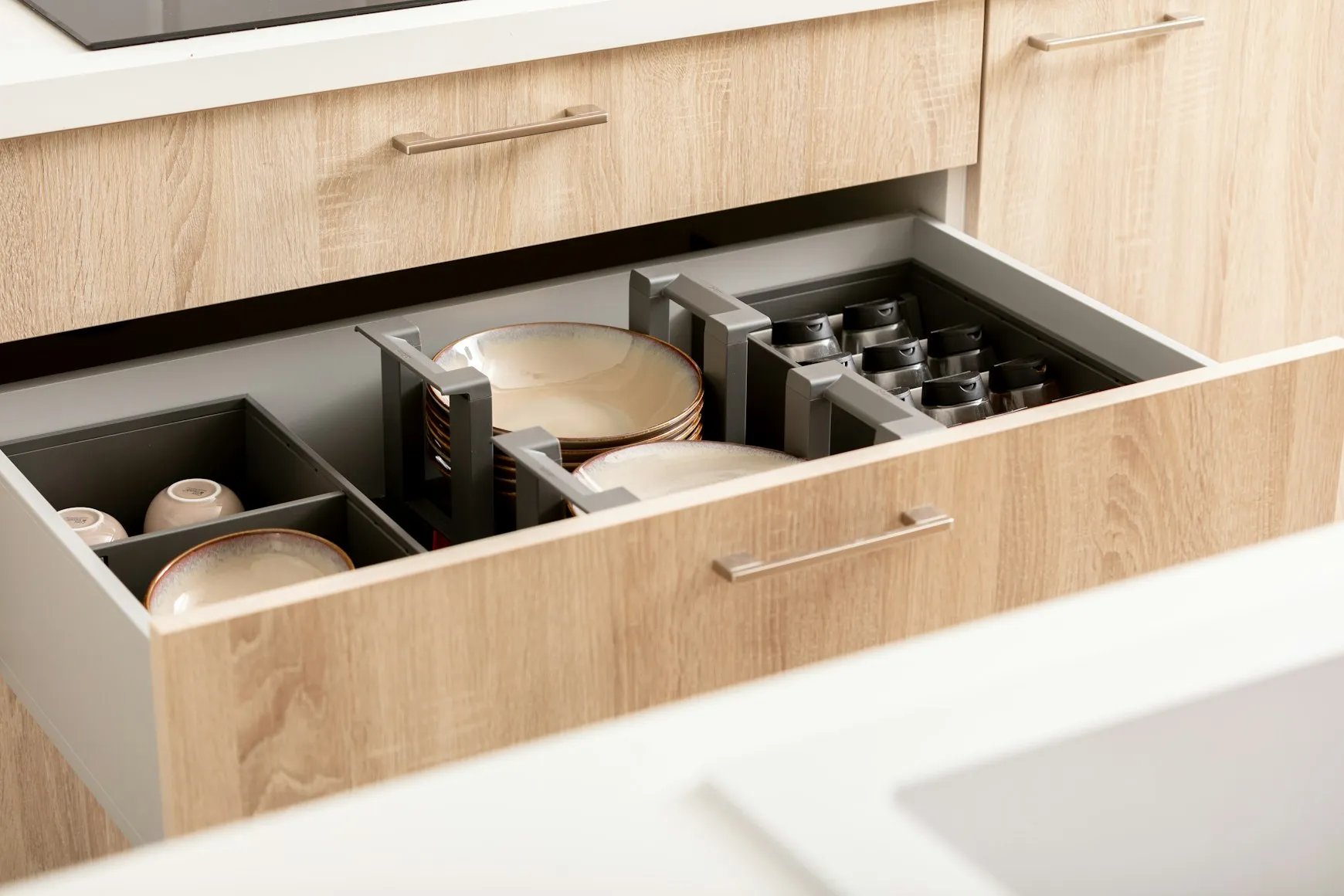
- Creative Storage Solutions: Maximize available space with clever storage options like hanging pots or installing pull-out pantry systems.
No matter which design you choose, both open-concept and traditional kitchens have unique advantages. Carefully considering your household's specific needs will guide you toward the perfect kitchen layout for your home renovation project.