Understanding the Open-Concept Space
The open-concept space has become a hallmark of modern home design, characterized by large, airy spaces that merge traditionally separate rooms like the kitchen, dining, and living areas into a single, continuous flow. This design trend not only enhances the perception of space but also promotes sociability and flexibility. However, creating an effective open-concept space requires thoughtful planning and smart design choices to ensure that functionality and aesthetics work hand-in-hand.
Key Considerations in Open-Concept Design
Before diving into specific layouts or techniques, it's important to understand some key considerations when planning an open-concept space:
- Functionality: Determine how each area will be used. An open floor plan should serve the lifestyle of the household, providing zones for cooking, eating, relaxing, and entertaining without losing functionality.
- Cohesiveness: While each zone might have a distinct purpose, there should be a harmonious flow across the entire space. This can be achieved through consistent color schemes, textures, and flooring.
- Lighting: The absence of walls means relying more on lighting to define different zones. Consider a combination of natural light, overhead fixtures, and task lighting to enhance each area's functionality and mood.
Layout Ideas for Open-Concept Spaces
An effective layout is crucial in open-concept design. Here are some popular approaches:
The L-Shaped Layout
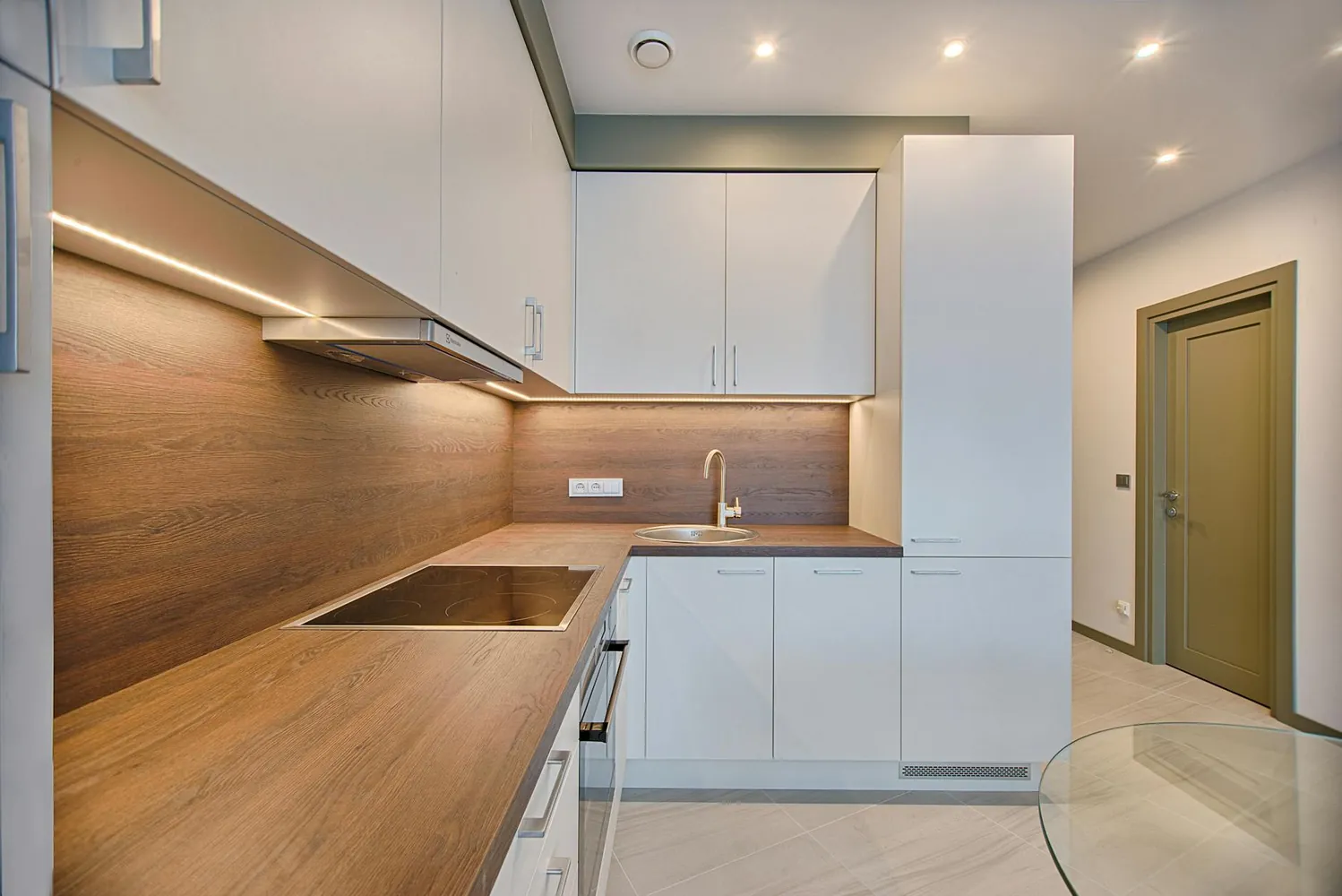
This layout involves arranging furniture and amenities in an 'L' shape. It's particularly effective in smaller homes or apartments where space is limited. By placing the kitchen and dining area along one wall, it leaves the remaining area open for a comfortable living space.
Pros:
- Maximizes corner spaces which are often underutilized.
- Provides a clear division between cooking and living areas without requiring physical barriers.
Cons:
- May limit kitchen cabinetry and counter space.
- The arrangement can feel rigid if not designed thoughtfully.
The U-Shaped Layout
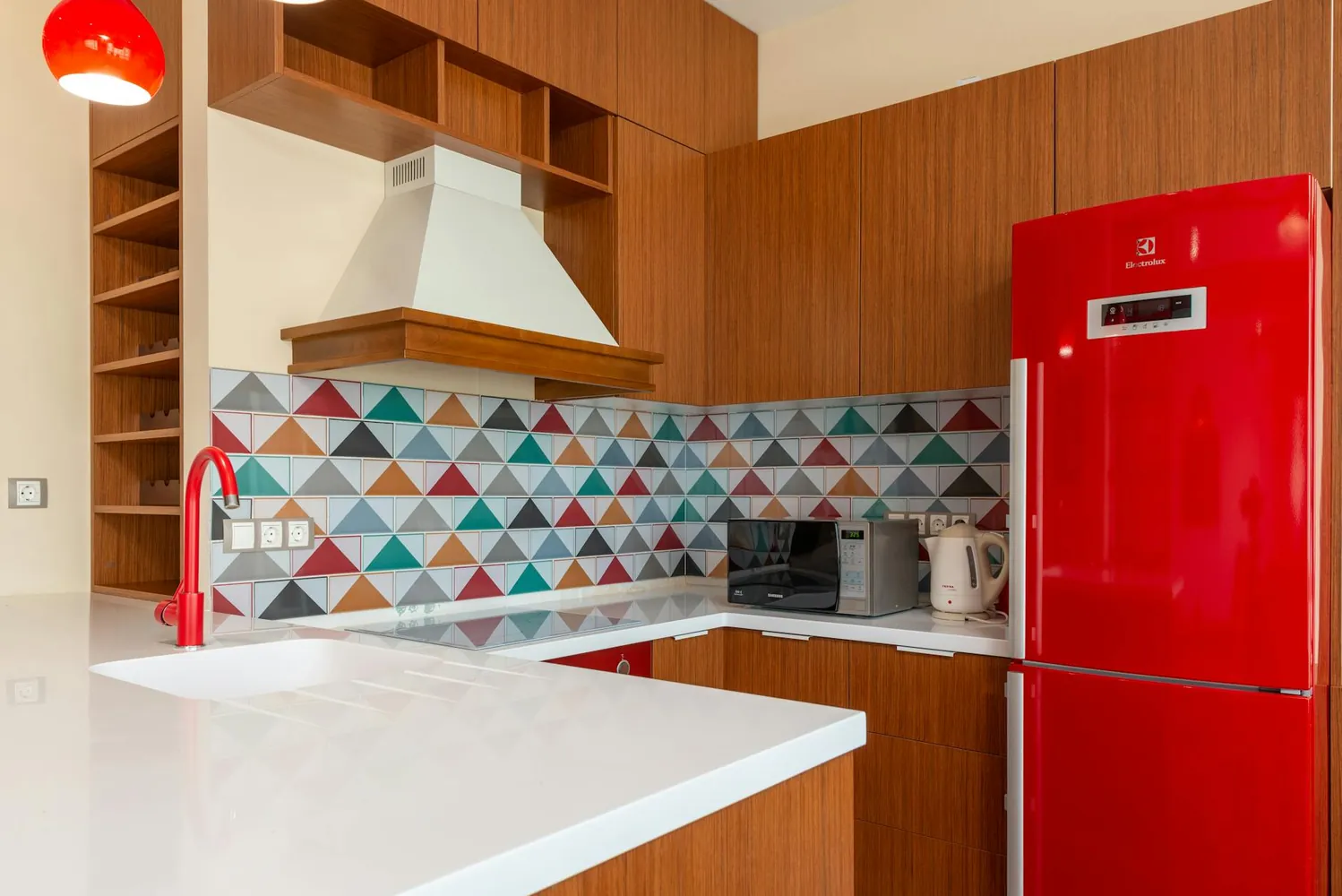
A U-shaped layout utilizes three adjoining walls or zones. This is a versatile option that offers ample counter space and storage within the kitchen while creating distinct dining and living areas.
Pros:
- Ideal for families or those who love cooking due to increased workspace.
- Natural boundary between kitchen and other areas, reducing noise and smells from cooking.
Cons:
- May require more square footage than other layouts.
- If not executed well, it can make the space feel closed off despite being open-concept.
The Island-Centric Layout
This layout features a central island that acts as a focal point around which other activities revolve. The island can serve as a prep area, dining table, or even a workspace, making it ideal for social gatherings or busy households.
Pros:
- Highly social layout encouraging interaction during meal prep and dining.
- Flexibility in use - from casual dining to homework station.
Cons:
- Not suitable for very small spaces as it requires adequate circulation room around the island.
- The island can become cluttered if not properly organized.
Space Management Techniques
Creating an open-concept space isn't just about knocking down walls; it involves strategic planning to manage space effectively:
Using Area Rugs
Area rugs are excellent tools for defining spaces without erecting physical barriers. For instance, placing a rug beneath the dining table distinguishes it as its own zone. Opt for rugs that complement the color scheme yet provide subtle contrast to clearly delineate areas.
Furniture Arrangement
The way you arrange furniture significantly influences how an open-concept space feels and functions. Use backless shelving units or sofas to create boundaries without blocking sightlines. Floating furniture arrangements away from walls can enhance the flow and accessibility of each zone.
Implementing Vertical Storage
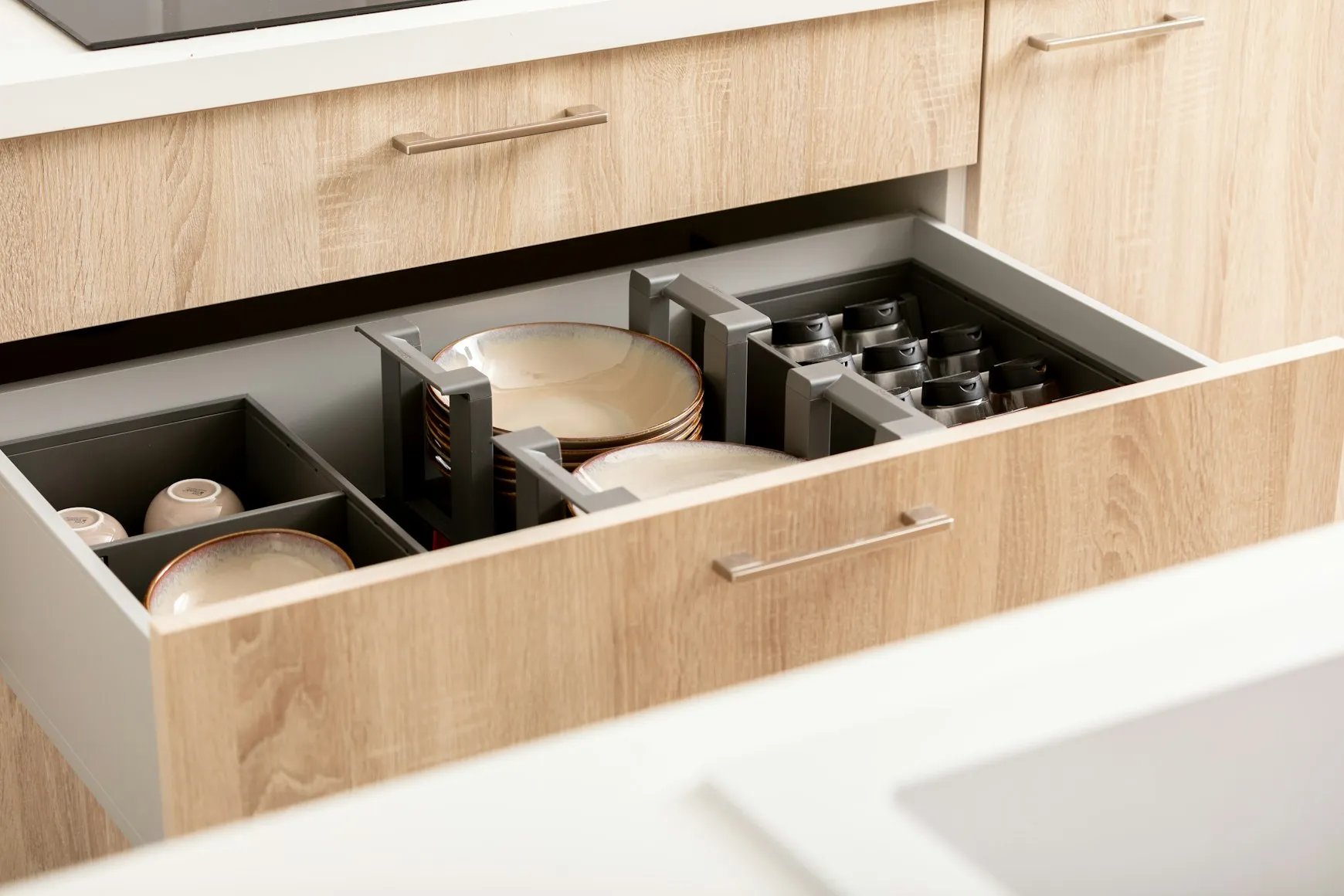
In open-concept designs, maintaining a tidy appearance is essential since everything is visible. Utilize vertical storage solutions such as wall-mounted shelves or tall cabinets to keep surfaces clear and free from clutter.
Maximizing Flow and Functionality
Create Visual Continuity with Colors
A unified color palette ties together separate zones into a cohesive whole. Neutral tones provide a seamless backdrop, while pops of color can be used to highlight specific areas such as an accent wall or kitchen backsplash.
Consider Sound Control
Open spaces can be acoustically challenging. Introduce soft furnishings such as curtains, cushions, and upholstered furniture to absorb sound and reduce echo. Consider integrating built-in acoustic panels if noise is a major concern.
Utilize Multi-Functional Furniture
Select furniture pieces that offer more than one use to maximize functionality in open-concept spaces. Examples include ottomans with storage compartments, fold-out tables, or sofa beds which can adapt to changing needs throughout the day.
Practical Examples of Successful Open-Concept Designs
To illustrate these concepts in action, let's look at a couple of successful open-concept renovations:
Modern Loft Apartment
A young couple transformed their cramped apartment into an airy loft by removing internal walls and installing floor-to-ceiling windows. The kitchen was moved to one side with sleek cabinetry extending into the living area for extra storage. An island served as both a dining table and workstation. Soft dividers such as potted plants were used instead of solid partitions, maintaining an uninterrupted flow.
Family-Friendly Suburban Home
This renovation focused on combining three rooms into a singular family hub where parents could cook while children played nearby. A U-shaped kitchen provided ample workspace, while a comfortable sofa faced both the television and the cooking area. Toys were stored in decorative bins that fit seamlessly under a custom-built bench seat, keeping the floor clear for playtime.
Conclusion: Crafting Your Ideal Open-Concept Space
Successfully creating an open-concept space involves more than just removing walls—it requires an understanding of how each part of your home can connect with others to improve both form and function. By carefully considering layout options, employing smart space management techniques, and selecting appropriate furnishings, you can craft an open-concept living area that’s both beautiful and practical.