The Rise of Open Concept Living
In recent years, open concept living spaces have gained significant popularity in home design. This layout eliminates walls and barriers that traditionally separate rooms, creating a more fluid living environment. The trend can be traced back to the mid-20th century when architects like Frank Lloyd Wright began advocating for open plans to promote social interactions and maximize natural light.
Open concept designs often feature a combination of living room, dining area, and kitchen into a single, expansive space. This approach can make small homes feel larger and more inviting, while also enhancing visibility and family interaction.
Advantages of Open Concept Spaces
Enhanced Social Interaction
One of the primary benefits of an open concept layout is the increased opportunity for social interaction. Without walls acting as barriers, it becomes easier for family members or guests to communicate and engage with each other, even if they are in different functional areas.
Maximizing Natural Light
Open spaces allow natural light to flow unimpeded through the home, which can reduce the need for artificial lighting during the day. This not only enhances the aesthetic appeal of the home but also helps in reducing electricity bills.
Flexibility and Versatility
The absence of interior walls offers greater flexibility in furniture arrangement and interior design. Homeowners can adapt their living space to suit changing needs, whether for hosting a large gathering or creating a cozy nook.
Drawbacks of Open Concept Living
Lack of Privacy
While open spaces enhance interaction, they also limit privacy. This can be a disadvantage for families with varying schedules or for individuals who work from home and require a quiet environment.
Noise Management
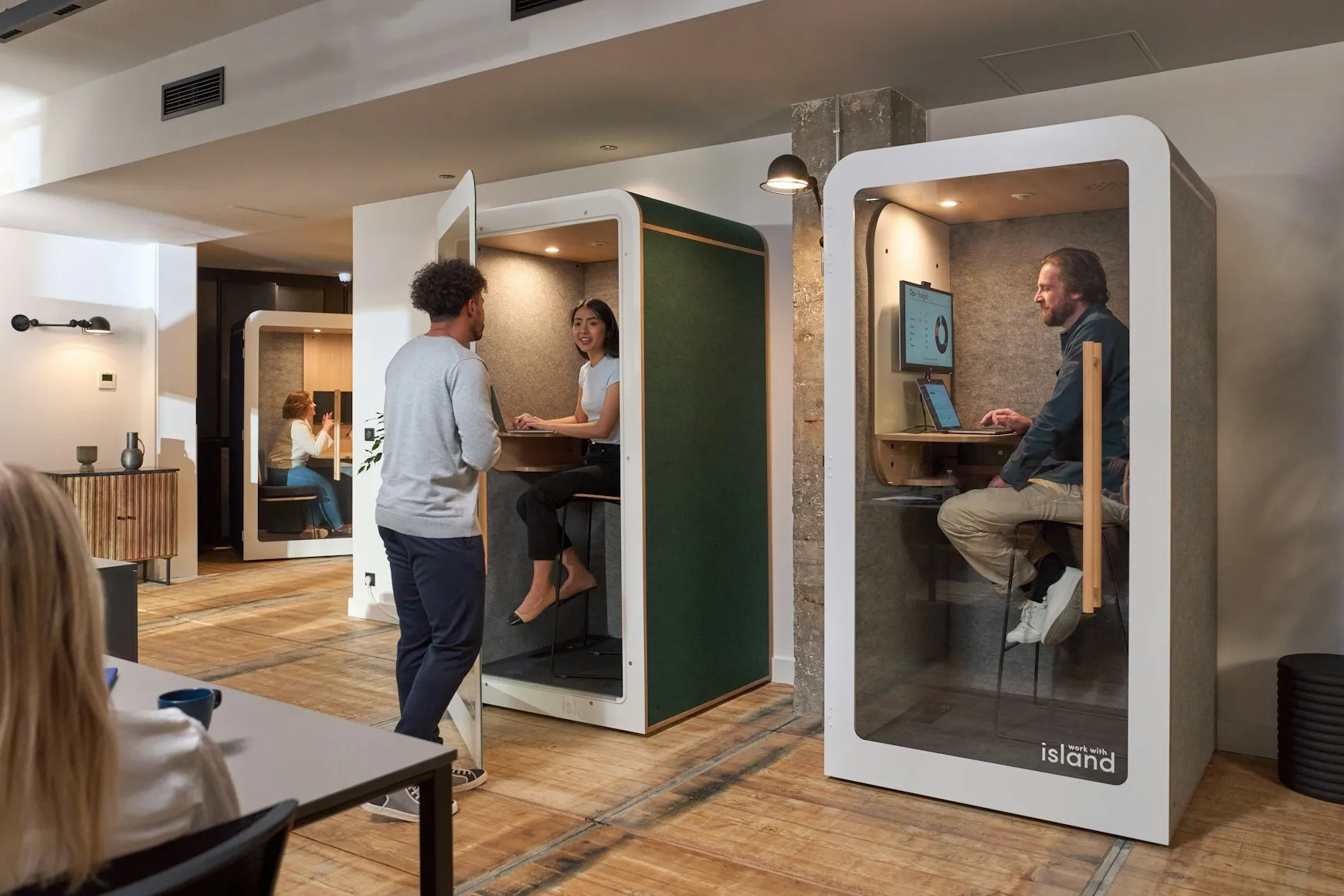
Without walls to absorb sound, noise can easily travel across an open floor plan. This can be problematic when multiple activities are taking place simultaneously, such as cooking, watching TV, or having a conversation.
Heating and Cooling Challenges
Maintaining consistent temperatures in an open concept space can be challenging. With larger areas to heat or cool, energy consumption might increase, potentially leading to higher utility bills.
The Appeal of Traditional Rooms
Traditional room designs compartmentalize the home into distinct areas for different activities. Each room typically serves a specific function, which can create a more organized and purposeful space.
Advantages of Traditional Room Layouts
Increased Privacy
Traditional layouts offer more privacy by designating specific areas for individual use. This can be beneficial for larger families or multi-generational households where privacy is valued.
Efficient Sound Control
With walls separating different areas, sound is better contained, making it easier to manage noise levels across the home. This setup is ideal for homes with children or for those who value a quieter environment.
Easier Temperature Management
Smaller rooms are often easier to heat or cool than large open spaces, allowing for more efficient climate control and potentially lower energy bills.
Disadvantages of Traditional Rooms
Restricted Flow of Light
Walls can obstruct the flow of natural light, making some rooms darker and potentially less inviting. This can necessitate increased reliance on artificial lighting, particularly in interior rooms.
Limited Space Perception
Traditional rooms can make a home feel smaller or more closed off compared to an open concept design. This may not be ideal for those who prefer a more spacious feel.
Choosing the Right Layout for Your Home
The decision between open concept living and traditional rooms depends largely on personal preference, lifestyle needs, and the home's existing architecture.
- If you frequently entertain or have young children, an open concept may provide the flexibility and visibility you need.
- For those who value privacy and a quiet environment, traditional room layouts might be more suitable.
Practical Considerations in Remodeling
Structural Changes and Costs
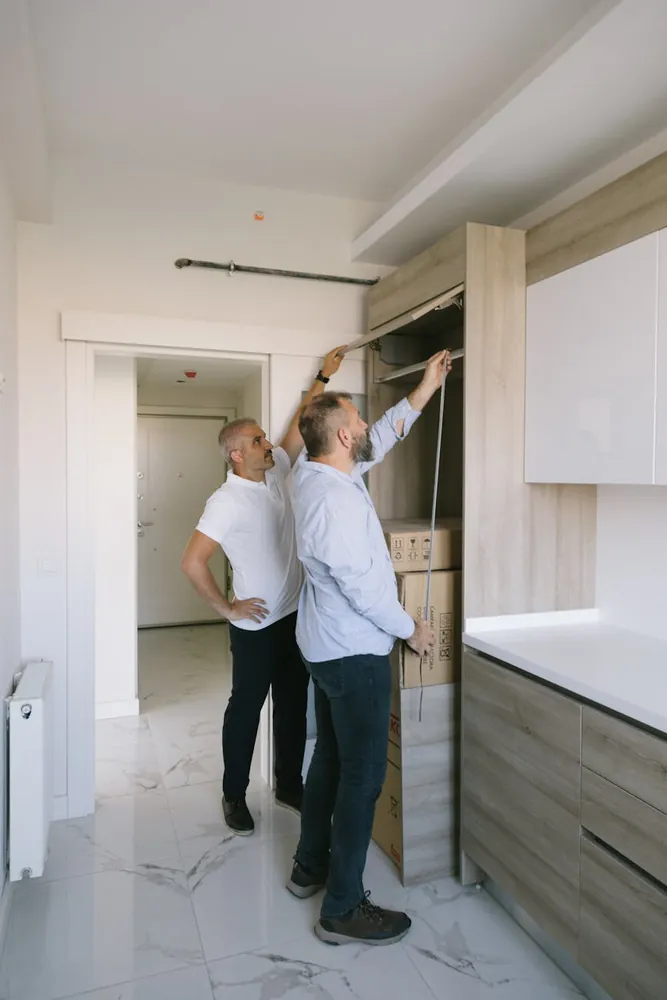
Switching from a traditional layout to an open concept often involves removing load-bearing walls, which can be costly and complex. It’s essential to consult with structural engineers to ensure safety and integrity in such renovations.
Furniture and Decor Adaptations
An open floor plan may require reconsideration of your current furniture setup. Investing in multi-functional furniture pieces can help delineate spaces without using physical barriers.
Storage Solutions
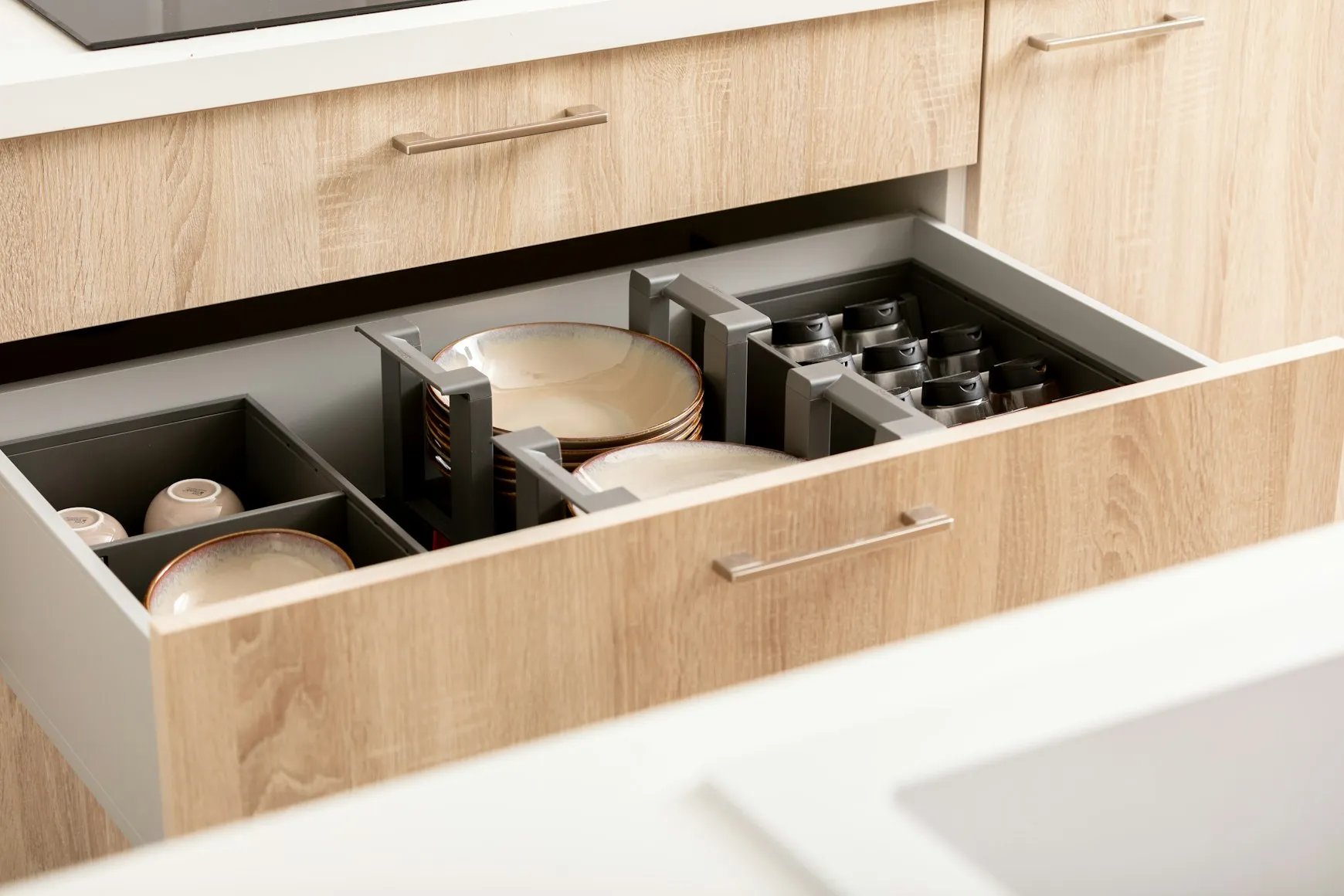
Lack of walls can lead to fewer storage options in open concept homes. Consider incorporating built-in storage solutions like shelving units or islands with cabinets to maintain organization without cluttering the space.
Conclusion: Balancing Aesthetics with Functionality
Whether opting for an open concept or maintaining traditional rooms, the ultimate goal should be a harmonious balance between aesthetics and functionality. Each layout has its unique advantages and trade-offs that must align with your lifestyle and needs.
If you are contemplating a renovation, take time to envision how each layout will fit your daily routine. Consult with design professionals if necessary to ensure that your home not only looks appealing but also supports how you live every day.