Understanding the Basics: Open-Concept vs. Traditional Layouts
When embarking on a home renovation journey, one of the crucial decisions families face is choosing between an open-concept living space and a traditional room layout. Each has its own set of advantages and potential drawbacks, depending on your lifestyle, family needs, and personal preferences.
The Allure of Open-Concept Living
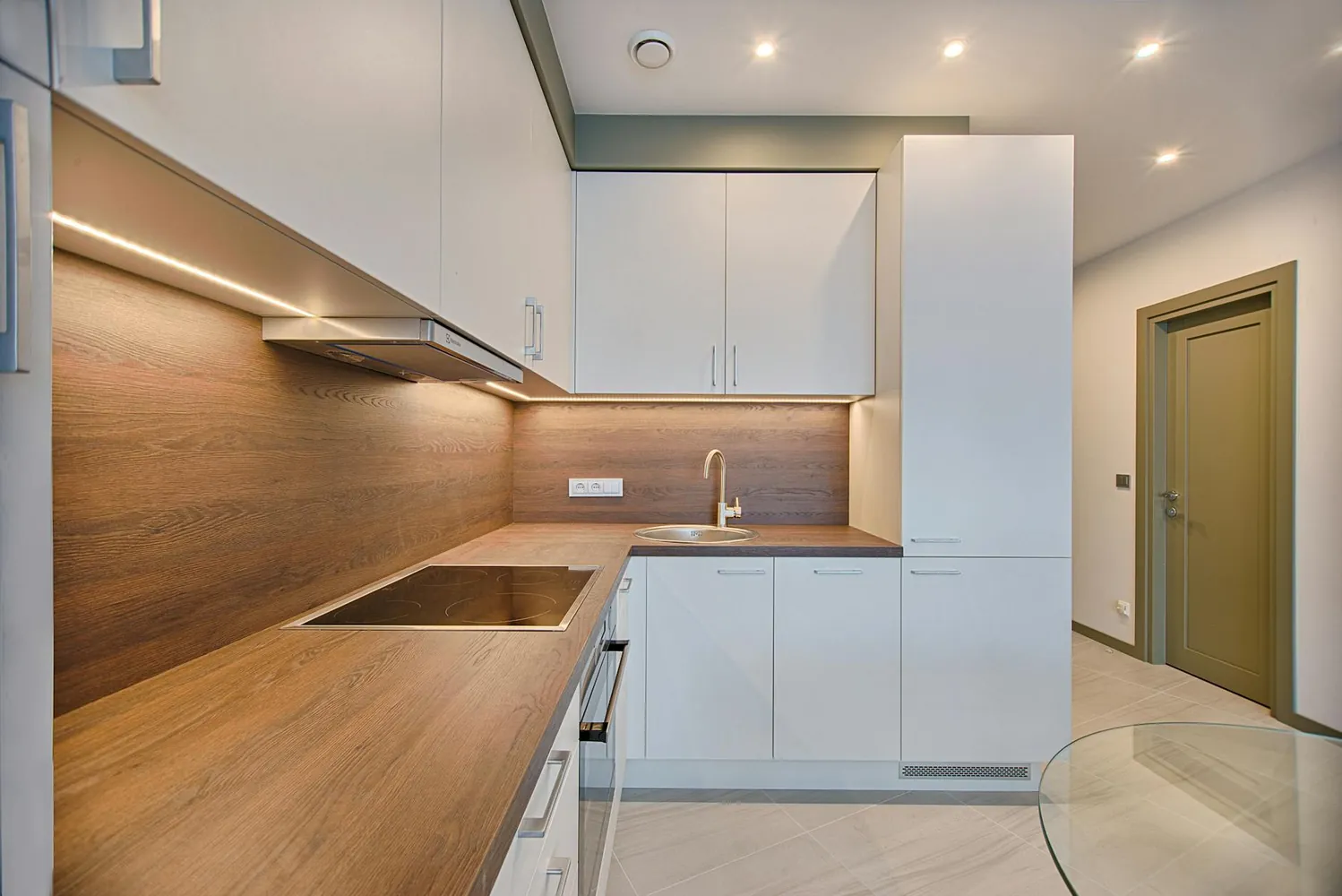
Open-concept layouts eliminate most interior walls, creating a seamless flow between spaces such as the kitchen, dining, and living areas. This style fosters a sense of togetherness and is particularly appealing to families who value social interaction.
- Spaciousness: The lack of walls makes the area feel larger and more inviting.
- Natural Light: With fewer barriers, natural light can travel freely, brightening up the entire space.
- Flexibility: An open layout offers flexibility in furniture arrangement and décor, accommodating changing needs over time.
The Drawbacks of Open Spaces
While open-concept designs are modern and attractive, they do come with certain challenges:
- Noise Levels: Without walls to contain sound, noise from activities such as cooking or watching TV can easily disrupt other family members.
- Lack of Privacy: For families with different schedules or habits, the absence of distinct rooms can lead to a lack of personal space.
- Heating and Cooling: Maintaining a consistent temperature across a large, open area can be more demanding and potentially more expensive.
The Comforts of Traditional Layouts
Traditional layouts typically consist of distinct rooms separated by walls. This classic design is favored by those who prioritize privacy and structure in their homes.
- Privacy: Walls create separate zones, allowing family members to enjoy solitude when desired.
- Sound Management: Enclosed spaces help control sound, offering a quieter environment conducive to study or relaxation.
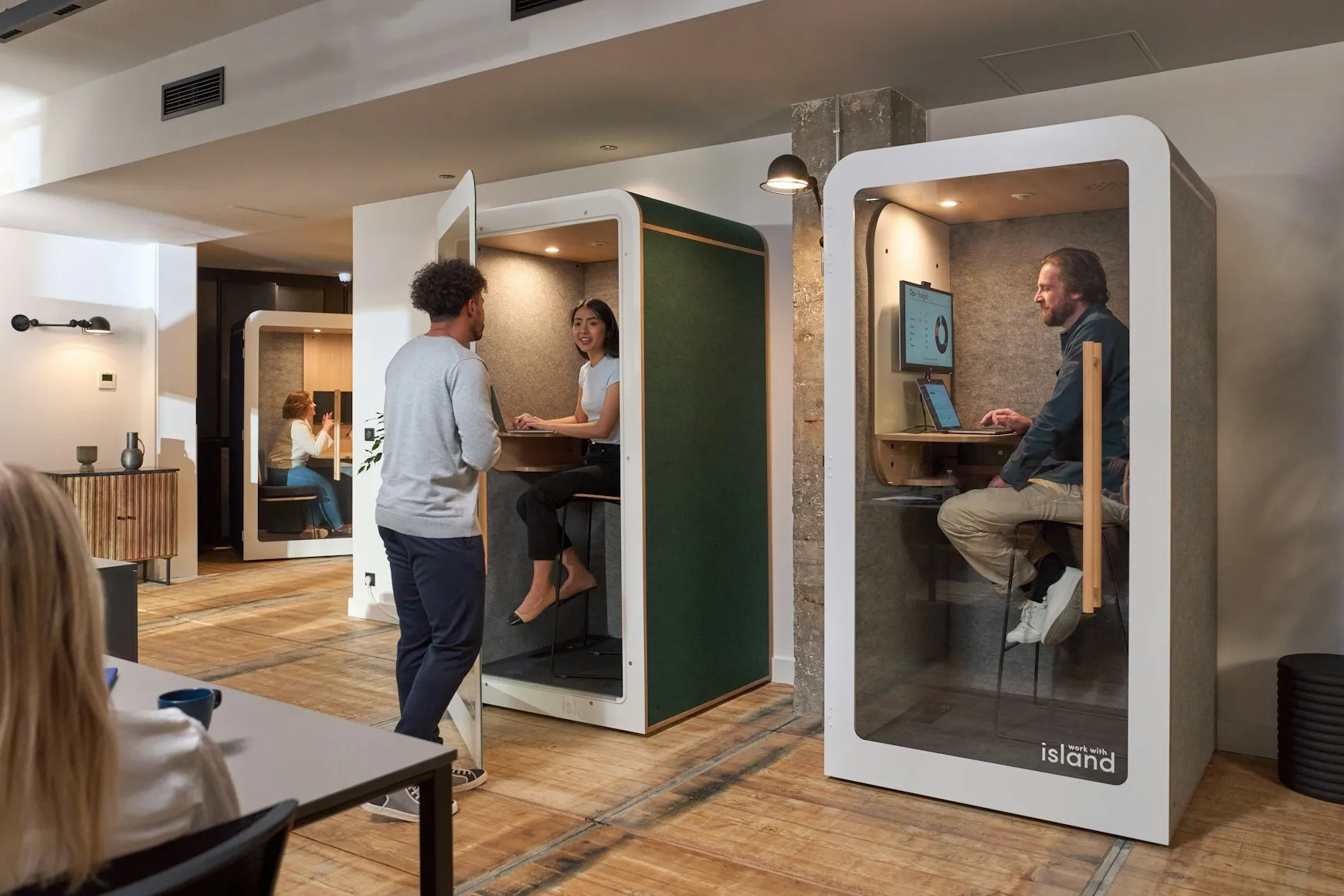
- Functionality: Individual rooms can be tailored for specific purposes such as a home office, media room, or library.
The Challenges of Traditional Designs
However, traditional layouts can feel confining compared to their open counterparts:
- Limited Light Flow: Rooms separated by walls can restrict the spread of natural light.
- Reduced Flexibility: Reconfiguring furniture or repurposing spaces can be challenging due to the fixed nature of walls.
Choosing the Right Layout for Your Family
The decision between an open-concept and traditional layout should be informed by your family's lifestyle and long-term plans. Consider the following factors:
Assessing Your Family's Needs
Reflect on your family's daily routines, social habits, and individual preferences. For instance, if you host gatherings frequently, an open-concept space might enhance these events by facilitating interaction. Conversely, if members require solitude for work or study, traditional layouts may better serve these needs.
Age and Lifestyle Considerations
The age of your children can also play a significant role in this decision. Younger children may benefit from open spaces that allow for easy supervision while playing. Teenagers or adults working from home might appreciate the privacy offered by separate rooms.
Future Flexibility
Your family dynamics are likely to evolve over time. Consider how adaptable each layout is to changes such as growing children, aging parents moving in, or starting a home-based business. Modular furniture solutions can also help provide flexibility in both layout types.
Practical Tips for Transitioning Between Layouts
If you’re considering remodeling your current layout to better suit your needs, here are some practical tips to guide the transition:
Open-Concept Transition
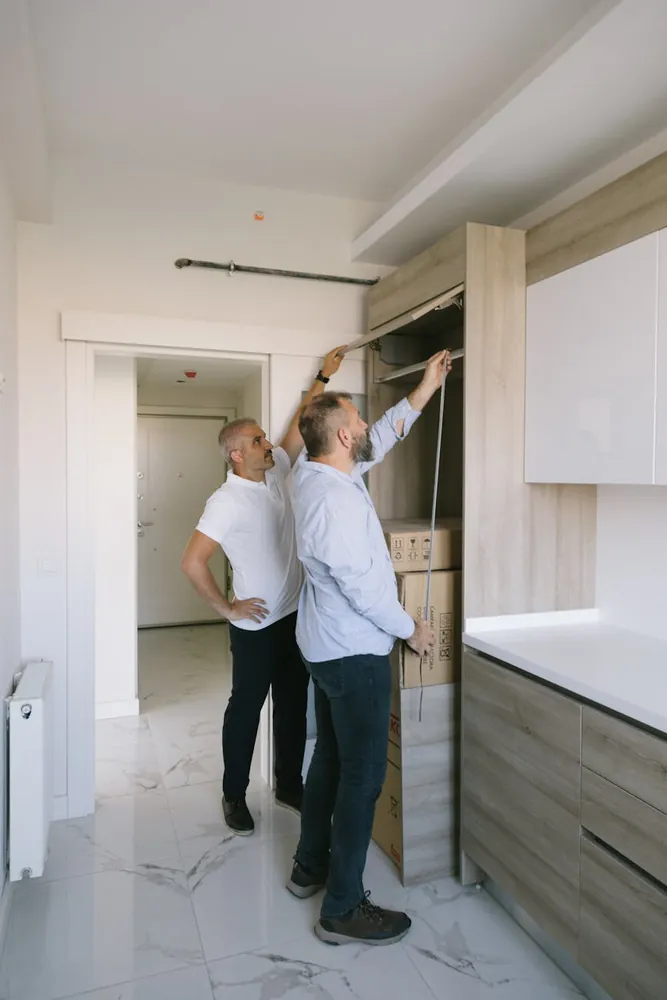
- Structural Assessment: Consult with a structural engineer or architect to determine which walls are load-bearing before beginning any demolition.
- Zoning Solutions: Use furniture like bookshelves or sofas to create zones within an open space without the need for walls.
Creating Traditional Spaces
- Partition Options: Consider installing sliding doors or partitions that can be easily adjusted to create temporary separation when needed.
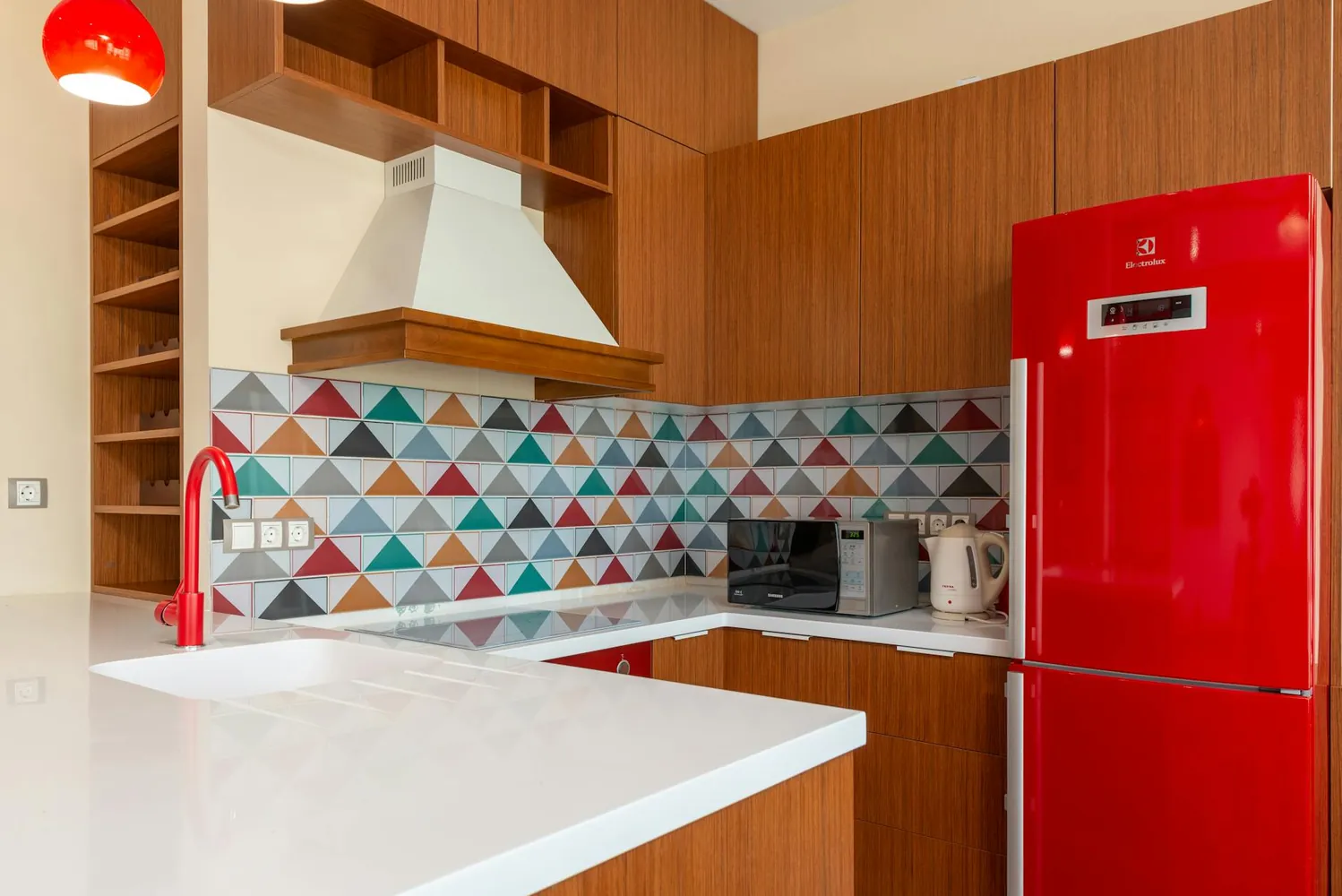
- Personalization: Use color schemes, wall textures, and lighting to give each room a distinct personality and function.
A Mini-Framework for Evaluating Room Layouts
To assist in making an informed decision regarding room layouts, consider using this mini-framework:
- Analyze Space Usage: Document your family's daily routine to understand how each space is currently used.
- Define Priorities: List what matters most: privacy, openness, flexibility, or aesthetics.
- Create Mood Boards: Gather images that inspire your ideal room settings. This helps visualize both open and traditional elements you'd like to incorporate.
- Sustainability Check: Evaluate whether changes align with long-term family goals such as sustainability or mobility concerns (e.g., single-story living).
This framework serves as a starting point for discussions with family members and professionals involved in your renovation project.