Understanding Drywall Damage
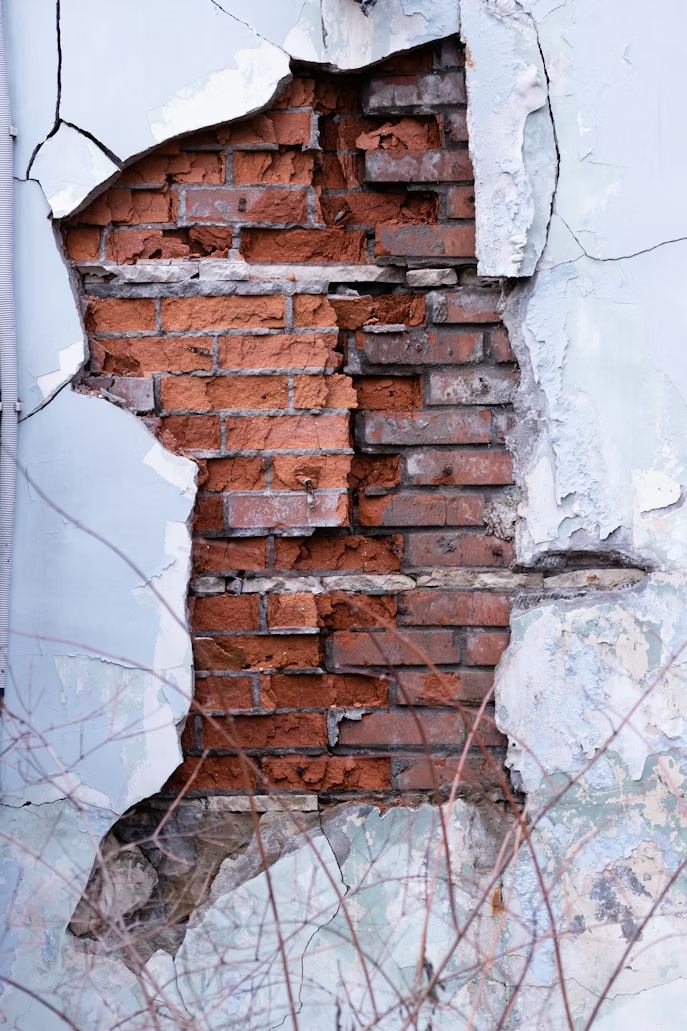
Drywall, also known as plasterboard or gypsum board, is a prevalent material used in constructing interior walls and ceilings. Despite its popularity, drywall is not impervious to damage. Common causes include water leaks, physical impacts, settling of the building, and even everyday wear and tear. Knowing whether to patch or replace drywall can save homeowners time and money while maintaining the aesthetic integrity of their spaces.
Types of Drywall Damage
- Minor Scratches and Dents: These are often caused by moving furniture or daily household activities.
- Holes: Small holes might occur from nails, screws, or even door handles. Larger holes can result from accidents.
- Water Damage: This often leads to discoloration, staining, or soft spots in the drywall.
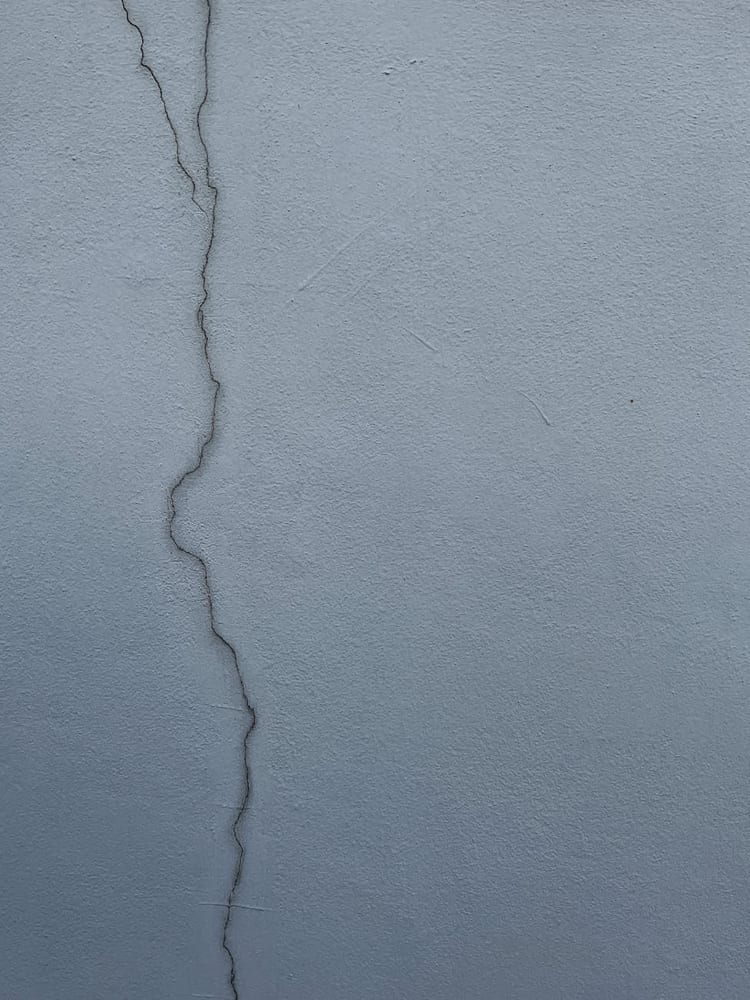
- Cracks: Typically appear due to structural settling or temperature fluctuations.
Patching Drywall: A Practical Approach
Patching is suitable for minor damages like small holes, dents, and superficial scratches. It is generally a cost-effective method that requires minimal materials and tools. Here's a step-by-step guide to patching small drywall imperfections:
Materials Needed
- Drywall compound (also known as joint compound or spackle)
- Putty knife
- Sandpaper (medium grit)
- Primer and paint
Patching Workflow
- Preparation: Clean the damaged area with a damp cloth to remove dust and debris.
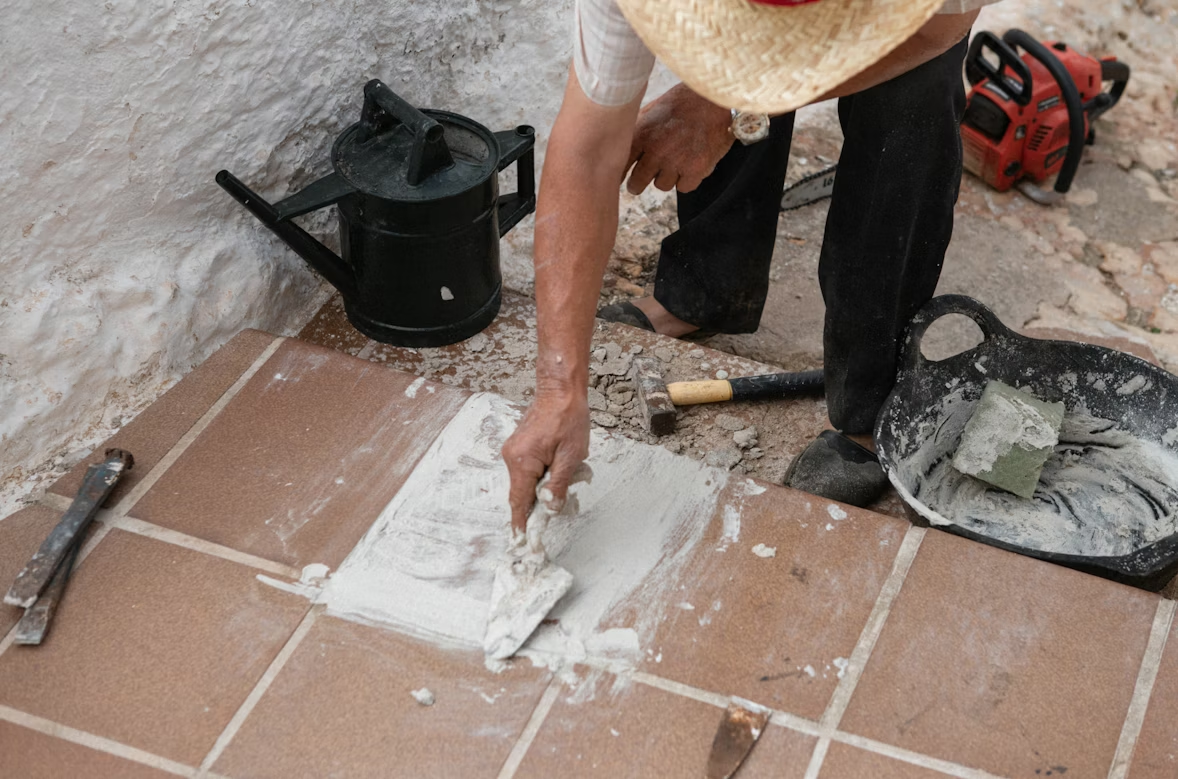
- Application: Use a putty knife to apply drywall compound over the damaged area. Press firmly and spread the compound evenly.
- Sanding: Once dry, sand the patched area until smooth. Wipe away dust with a damp cloth.
- Finishing: Apply primer followed by paint that matches the wall color for a seamless finish.
This method works best for minor repairs and can often be completed in an afternoon.
When to Consider Full Replacement
If your drywall suffers from extensive damage, like large holes, severe water damage, or persistent cracks, it might be more practical to replace entire sheets. Replacement ensures structural stability and eliminates hidden issues such as mold growth from water damage.
Case Study: Replacing Water-Damaged Drywall
A homeowner in Florida discovered a significant water leak had damaged an entire section of their kitchen wall. The damage was so extensive that patches would not suffice. Here's how they approached the replacement:
Materials and Tools
- New drywall sheets
- Drywall screws and screwdriver
- Tape measure and utility knife
- Joint tape and compound
Replacement Process
- Remove Damaged Section: The damaged drywall was carefully cut out using a utility knife, ensuring the removal extended beyond any visible signs of water damage.
- Inspect Underlying Structure: After removal, the wooden studs were checked for mold or rot before proceeding.
- Install New Drywall: Measured and cut new drywall sheets were secured using drywall screws.
- Taping and Finishing: Joints were sealed using drywall tape and compound. After drying, the area was sanded smooth.
This process not only restored the kitchen wall but also ensured the space remained safe and free from potential mold issues.
The Pros and Cons: Patching vs. Replacement
| Patching | Replacement |
|---|---|
| Cost-effective for minor repairs Quick process Minimal tools required Best for small surface damage | More comprehensive solution Addresses underlying issues Better for large areas of damage Requires more time and materials |
The choice between patching and replacing ultimately depends on the damage extent and your comfort level with DIY tasks.
Conclusion: Making the Right Decision
Assessing drywall damage accurately is crucial for deciding whether to patch or replace. Consider factors like damage size, location, and potential underlying issues. While patching is suitable for minor surface flaws, replacement is advisable for more extensive damage. Ultimately, both approaches have their place in home maintenance strategies. For those unsure, consulting with a professional can provide clarity and peace of mind, ensuring that your home's walls remain both functional and aesthetically pleasing.