Understanding Drywall: Basics Before You Begin
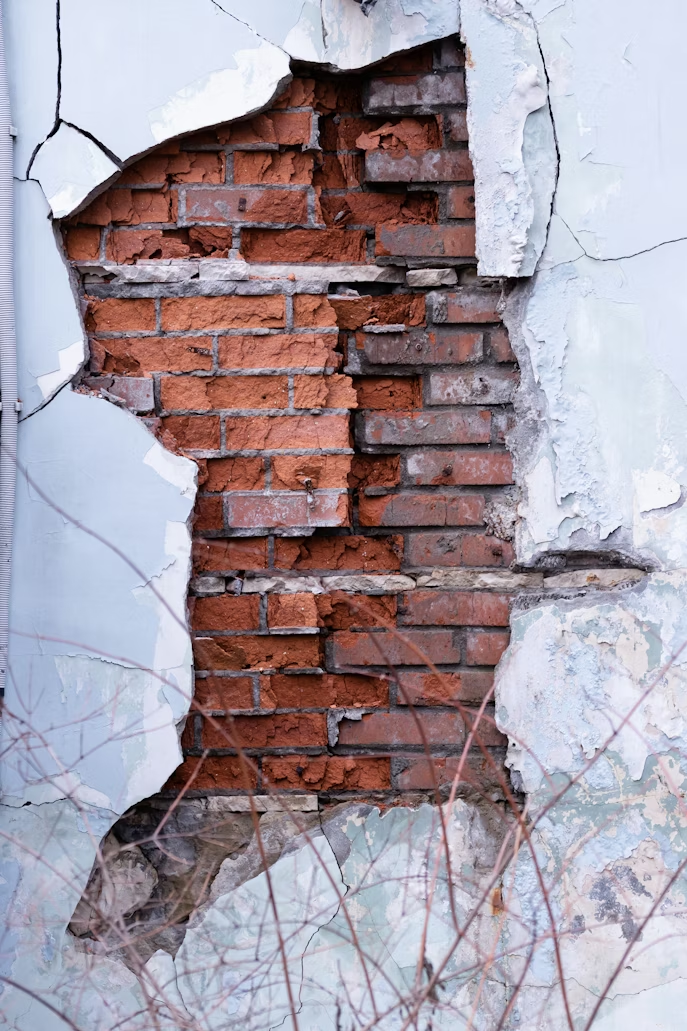
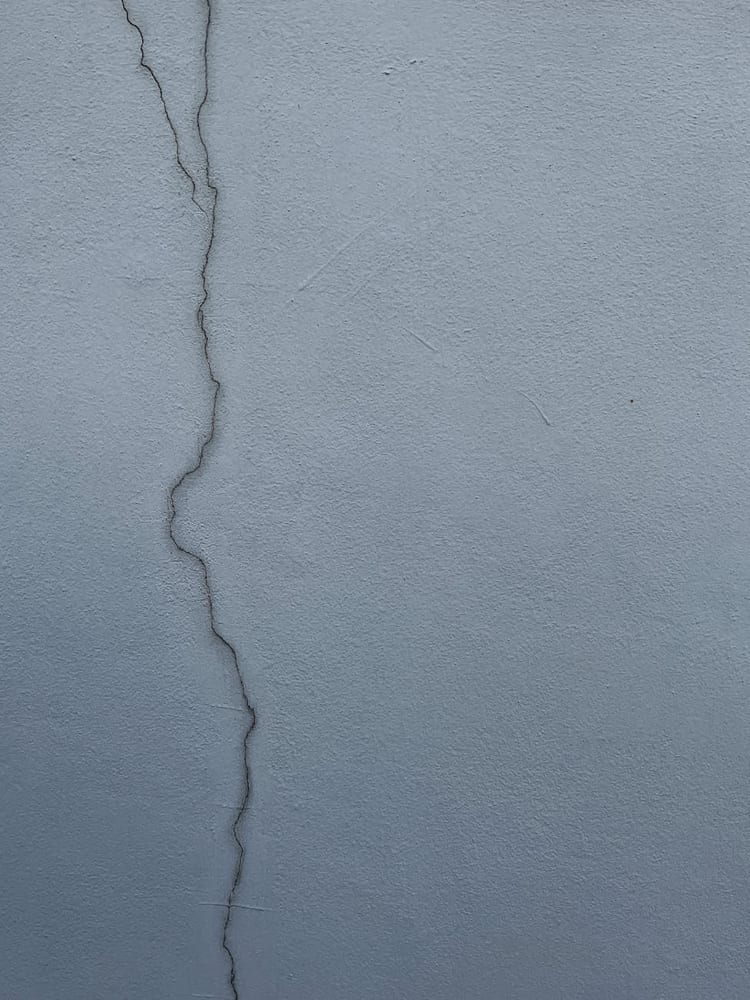
Drywall, also known as plasterboard or wallboard, is a popular building material used to create interior walls and ceilings. It is made of a gypsum plaster core sandwiched between two layers of paper. Despite its widespread use and affordability, drywall can be quite fragile and prone to damage such as holes, cracks, and dents. Understanding the characteristics of drywall is essential whether you're considering a DIY repair or planning to hire a professional.
DIY Drywall Repairs: The Hands-On Approach
Pros of DIY Drywall Repair
- Cost-Effective: One of the most compelling reasons homeowners opt for DIY repairs is the potential savings. The cost of hiring a professional can be significantly higher than purchasing supplies and doing it yourself.
- Flexibility and Control: Doing the repairs yourself allows you to manage your time and work at your own pace. You also have complete control over the materials and tools used.
- Skill Development: Tackling drywall repairs yourself can be an excellent way to develop new skills and increase your confidence in home improvement tasks.
Cons of DIY Drywall Repair
- Time-Consuming: Without the expertise of a professional, DIY repairs can take longer to complete, especially if you're learning as you go.
- Quality Variability: The quality of a DIY repair can vary greatly depending on your experience level. Achieving a seamless finish often requires practice.
- Potential for Mistakes: Mistakes in drywall repair can lead to additional costs or more complicated fixes down the line, especially if the structural integrity is compromised.
When to Opt for DIY
If you have minor damage such as small holes or cracks, DIY might be a practical choice. With simple tools like putty knives, spackling paste, sandpaper, and some patience, you can effectively patch these issues. It's also a good approach if you enjoy hands-on projects and want to save on labor costs.
Step-by-Step Guide for DIY Drywall Repair
- Gather Materials: You'll need spackle or joint compound, a putty knife, sandpaper, and primer/paint that matches your wall.
- Prepare the Area: Clean the area around the damage to ensure good adhesion. For larger holes, cut a piece of drywall to fit and secure it with drywall tape.
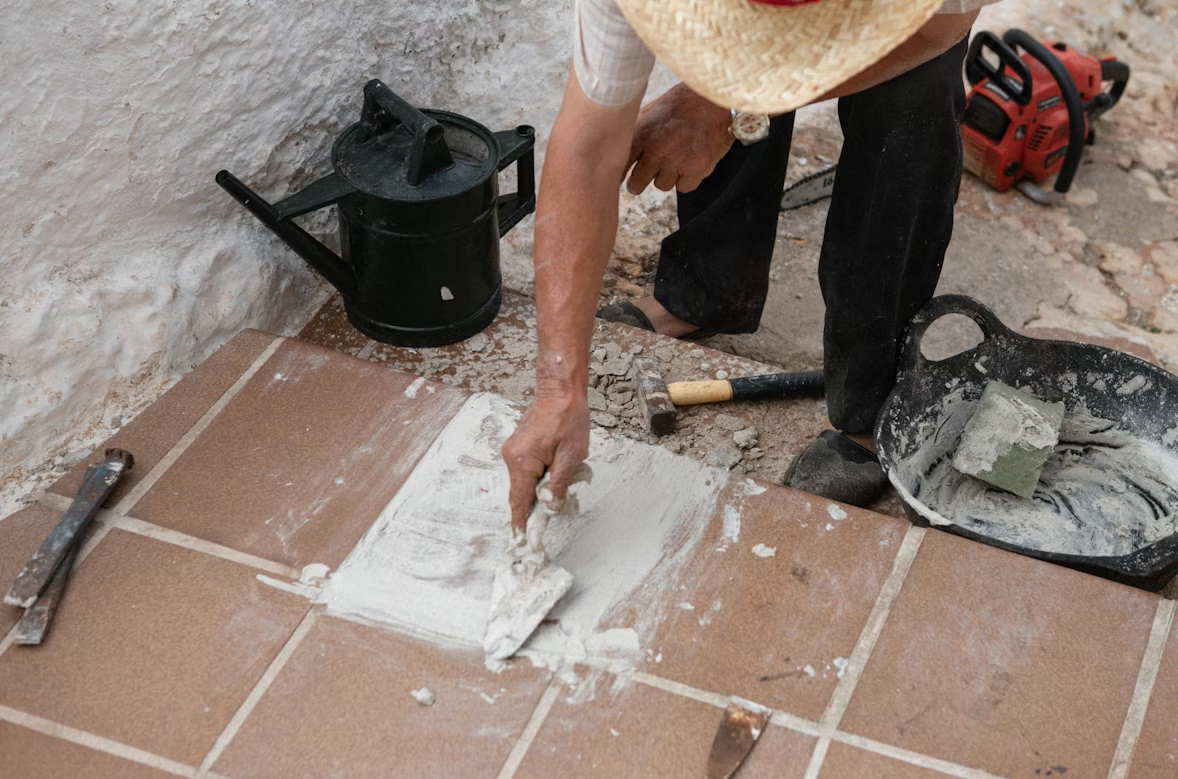
- Apply Joint Compound: Use a putty knife to apply the joint compound over the tape or directly into smaller holes. Smooth it out evenly.
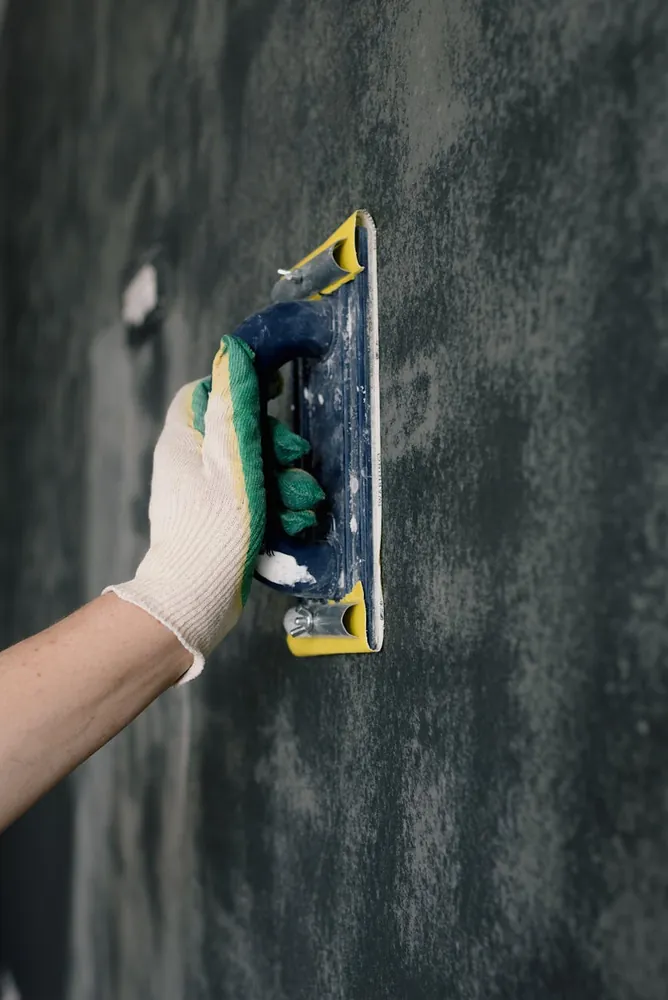
- Sand and Repeat: Once dry, sand the surface smooth. You may need multiple layers for larger repairs.
- Prime and Paint: Apply primer before painting to ensure the repair blends seamlessly with the rest of the wall.
Professional Drywall Repair: Leaving it to the Experts
Pros of Hiring Professionals
- Expertise: Professionals bring years of experience and are equipped with specialized tools to handle any situation efficiently.
- High-Quality Finish: A skilled professional can achieve a seamless finish that is often difficult for a novice DIYer.
- Time-Saving: Professionals can usually complete repairs much faster than a DIY attempt, which is invaluable for urgent repairs.
Cons of Hiring Professionals
- Cost: Hiring professionals typically involves higher upfront costs compared to DIY methods.
- Lack of Control: You relinquish some control over the process and must rely on someone else's schedule and availability.
When Professional Help is Best
If you're facing extensive damage, such as large holes from accidents or water damage that might require structural work, professional intervention is advisable. Also, consider hiring professionals if you lack time or confidence in handling larger projects yourself.
The Professional Repair Process
A professional repair typically starts with an assessment where they determine the extent of damage. This is followed by cutting away damaged areas, securing new sections of drywall, taping, applying joint compound, sanding, and finally painting. Professionals use high-quality materials and tools ensuring durability and an impeccable finish.
The Middle Ground: Hybrid Approach
For those who want to save money but also desire a professional touch, consider a hybrid approach. Tackle simple tasks like filling small holes yourself while leaving more complex repairs to the professionals. This strategy can reduce overall costs while ensuring critical areas are handled expertly.
Conclusion: Weighing Your Options
Your decision between DIY and professional drywall repair should consider several factors including cost, time, complexity of damage, and your own skill level. For those who enjoy DIY challenges and have the time, tackling smaller projects yourself can be rewarding and cost-effective. However, for large-scale damage or when time is a constraint, hiring professionals might be worth the investment for peace of mind and quality results.