The Importance of Detecting Foundation Damage Early
Foundation damage can be a homeowner's nightmare, with potential repercussions affecting the entire structure of your home. By recognizing early signs of foundation issues, you can save yourself not only from extensive repairs but also from potentially costly structural failure. Understanding these early warning signals is crucial in maintaining the safety and value of your home.
Common Indicators of Foundation Problems
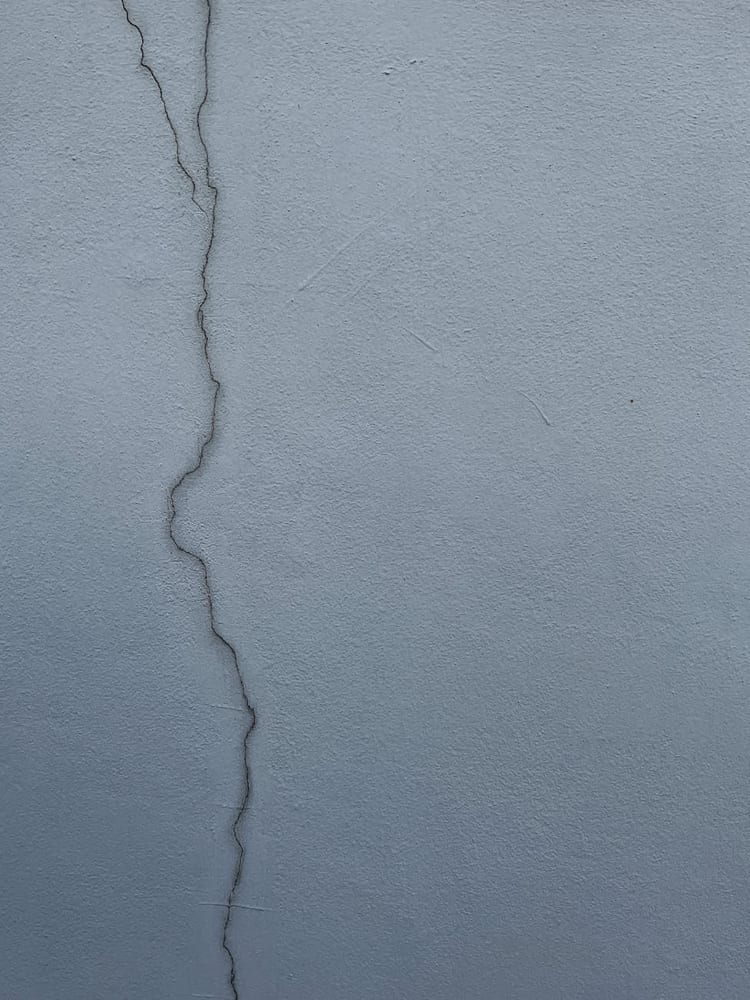
1. Wall and Floor Cracks
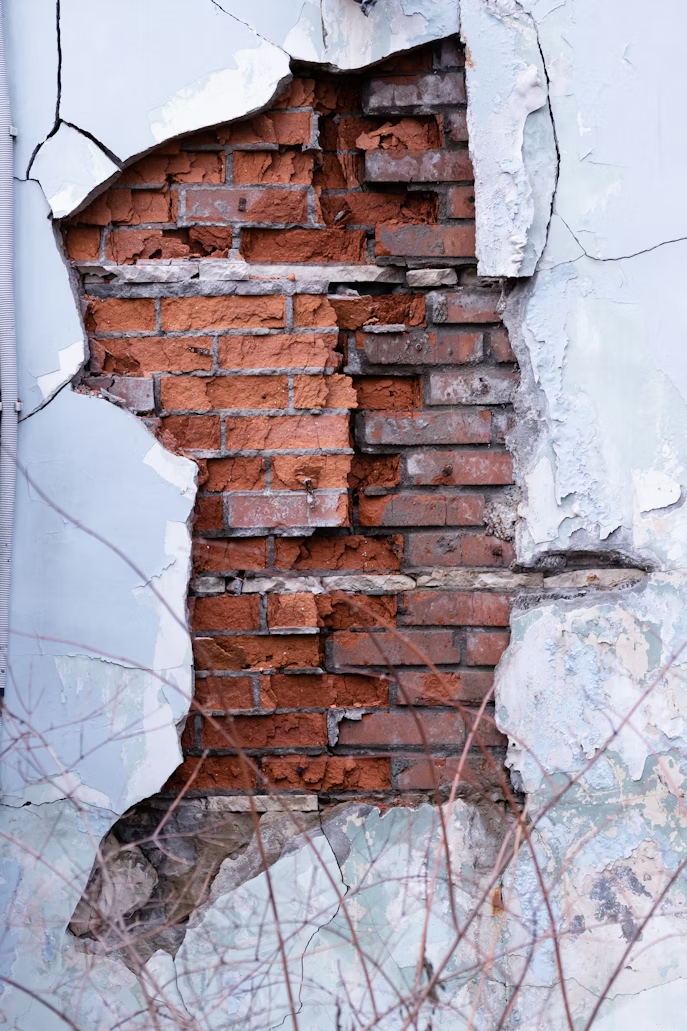
Cracks are often the first visible sign that there may be an issue with your foundation. While minor cracks (less than 1/8 inch wide) are often due to natural settling, wider or expanding cracks could indicate serious problems.
- Horizontal Cracks: These are more serious than vertical cracks and often signal pressure on the walls from soil expansion.
- Diagonal Cracks: These typically appear around windows and doors and can indicate uneven settling of the foundation.
Keep an eye on any changes in width or length of these cracks over time.
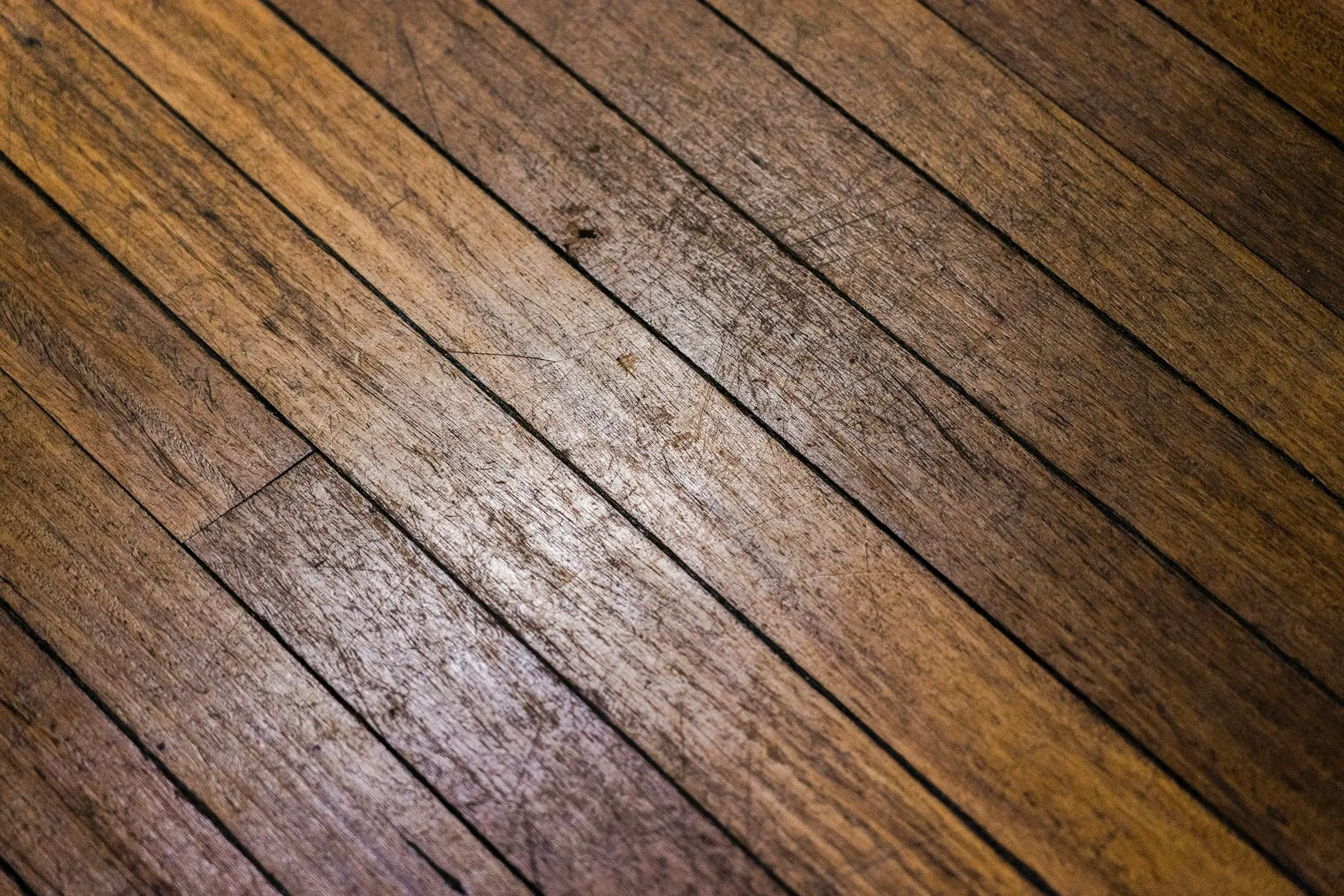
2. Uneven or Sagging Floors
If you notice your floors are no longer level, this could be another indication of foundation issues. Use a leveling tool to check for slants and measure discrepancies. Even a subtle slope might suggest a deeper issue below the surface.
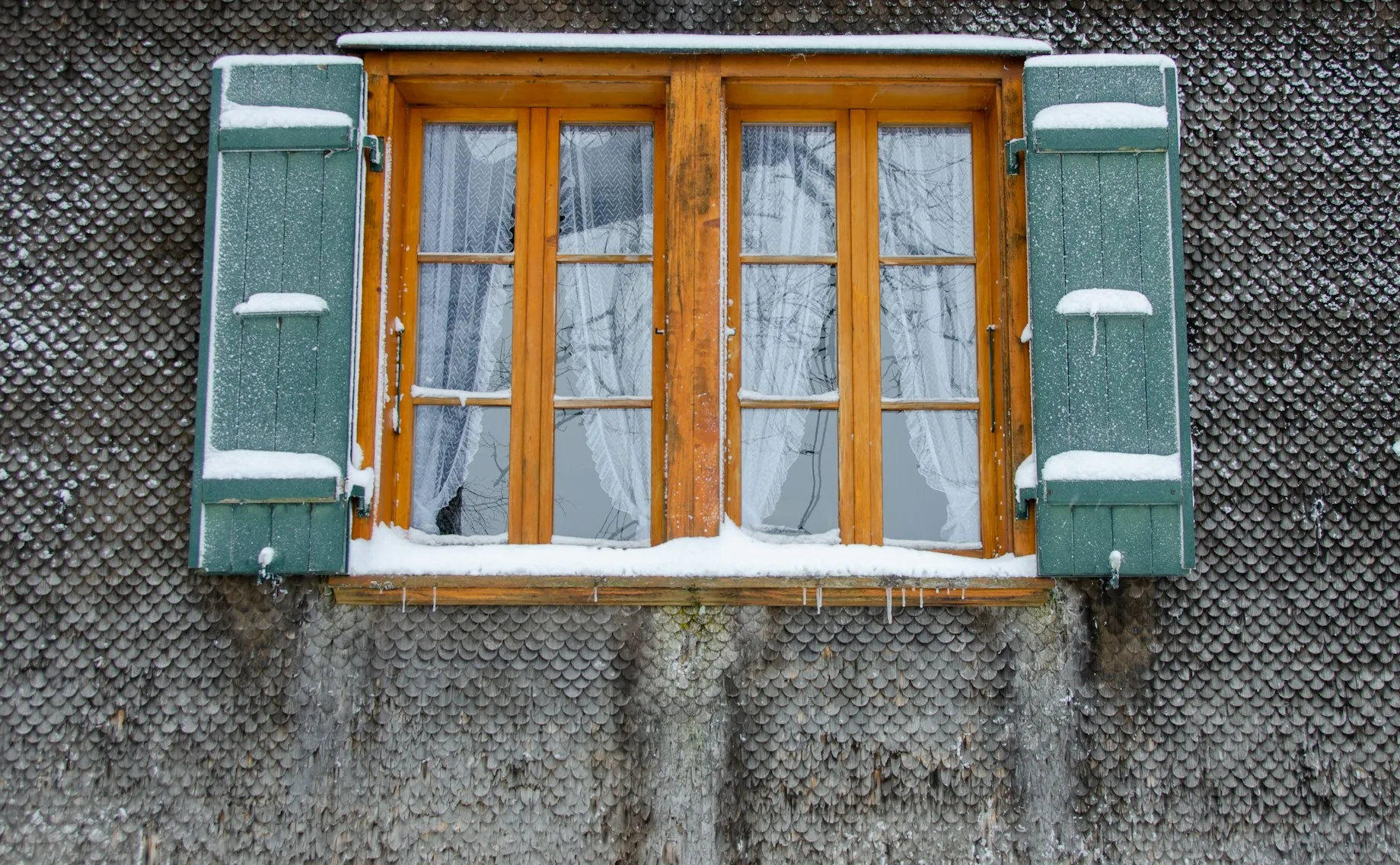
3. Sticking Doors and Windows
Doors and windows that suddenly start sticking or won't close properly can be a sign that your foundation is shifting. Over time, as the foundation moves, it can distort the frames of doors and windows, making them harder to operate.
Understanding the Causes Behind Foundation Damage
Soil Movement
One of the leading causes of foundation issues is soil movement. Depending on the type of soil your home sits on, it might expand or contract significantly with moisture levels, which can shift the foundation.
- Expansive Clay: This type of soil can swell significantly when wet and shrink upon drying, exerting pressure on foundations.
- Sandy Soil: While less prone to swelling, sandy soils can erode easily with water flow, destabilizing foundations.
Poor Drainage
Water accumulation near the foundation is a major contributor to damage. Ensure proper drainage systems like gutters and downspouts direct water away from your home to prevent water buildup that leads to soil movement.
Poor Construction
If your home was constructed with subpar materials or techniques, it might make the foundation more susceptible to damage over time. Always ensure builders adhere to standards that account for local soil and weather conditions.
Assessing the Severity of Foundation Damage
Once you've identified potential signs of damage, assessing their severity is key in determining whether professional help is needed.
Evaluating Cracks
Use a measuring tape to monitor crack size over time. Consider consulting a professional if cracks are widening or if you observe new ones frequently appearing.
Checking for Structural Changes
Survey your home for any structural changes such as gaps between walls and ceilings or separating baseboards. These might point to significant foundation shifts requiring expert evaluation.
Repair Options and Costs
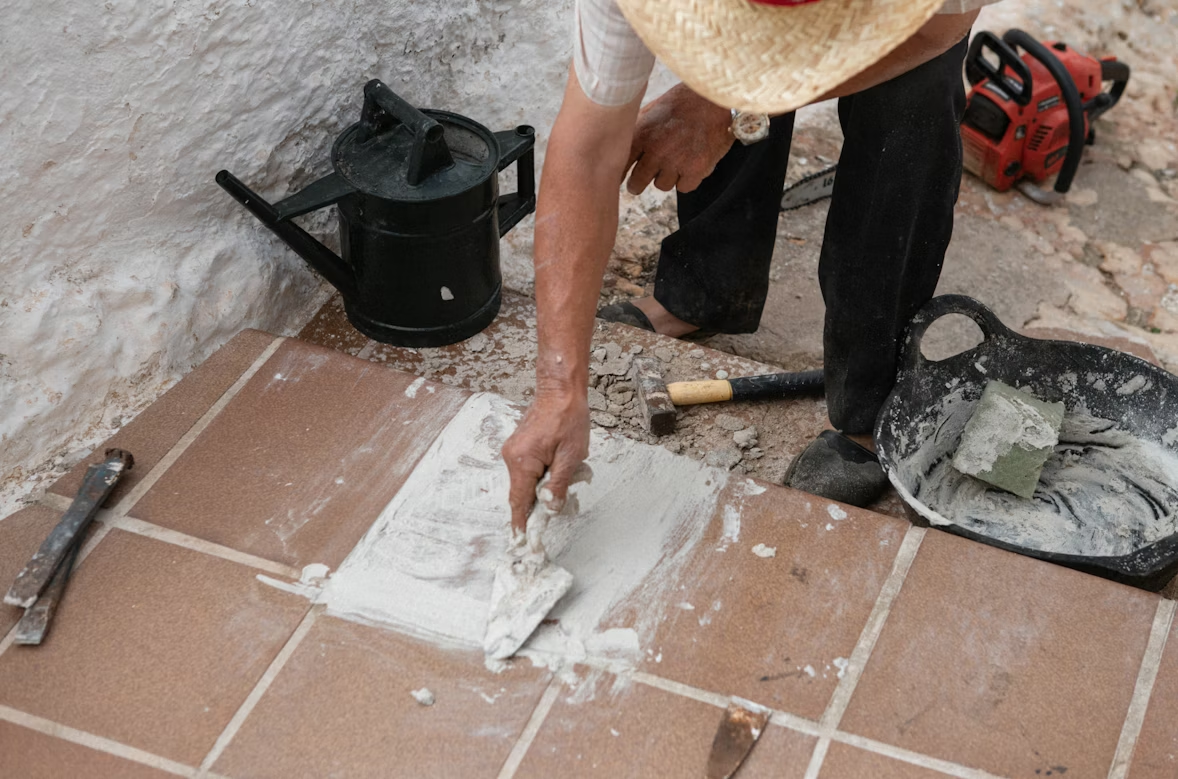
Patching and Sealing
This is often the first step for smaller cracks or initial stages of damage, with costs ranging from $500 to $1,200 depending on extent and material used.
Underpinning
This involves strengthening the foundation by adding support. This process, suitable for significant settlement issues, can cost between $1,000 to $3,000 per pier depending on depth and scope.
Slope Stabilization
If soil erosion is a concern, slope stabilization techniques such as retaining walls might be required, costing anywhere from $4,000 to $12,000 based on complexity and materials.
Preventative Maintenance Tips
Regular Inspections
Schedule regular inspections annually or bi-annually. Early detection through professional checks can forestall expensive repairs later.
Managing Water Flow
- Ensure gutters are clear and functional.
- Install drainage systems if necessary to divert water away effectively.
Landscaping Considerations
Strategically place plants and trees at least 5 feet away from your foundation to prevent root interference while providing shade that limits soil drying around your home.
Conclusion: Taking Action Early
Addressing foundation problems early not only protects your home but also preserves its market value. By understanding these essential signs of foundation damage, you take a proactive stance in maintaining the integrity of your living space. Remember, when in doubt, consulting a structural engineer or qualified contractor ensures you address these issues correctly from the outset.