Understanding Paintbrush Anatomy
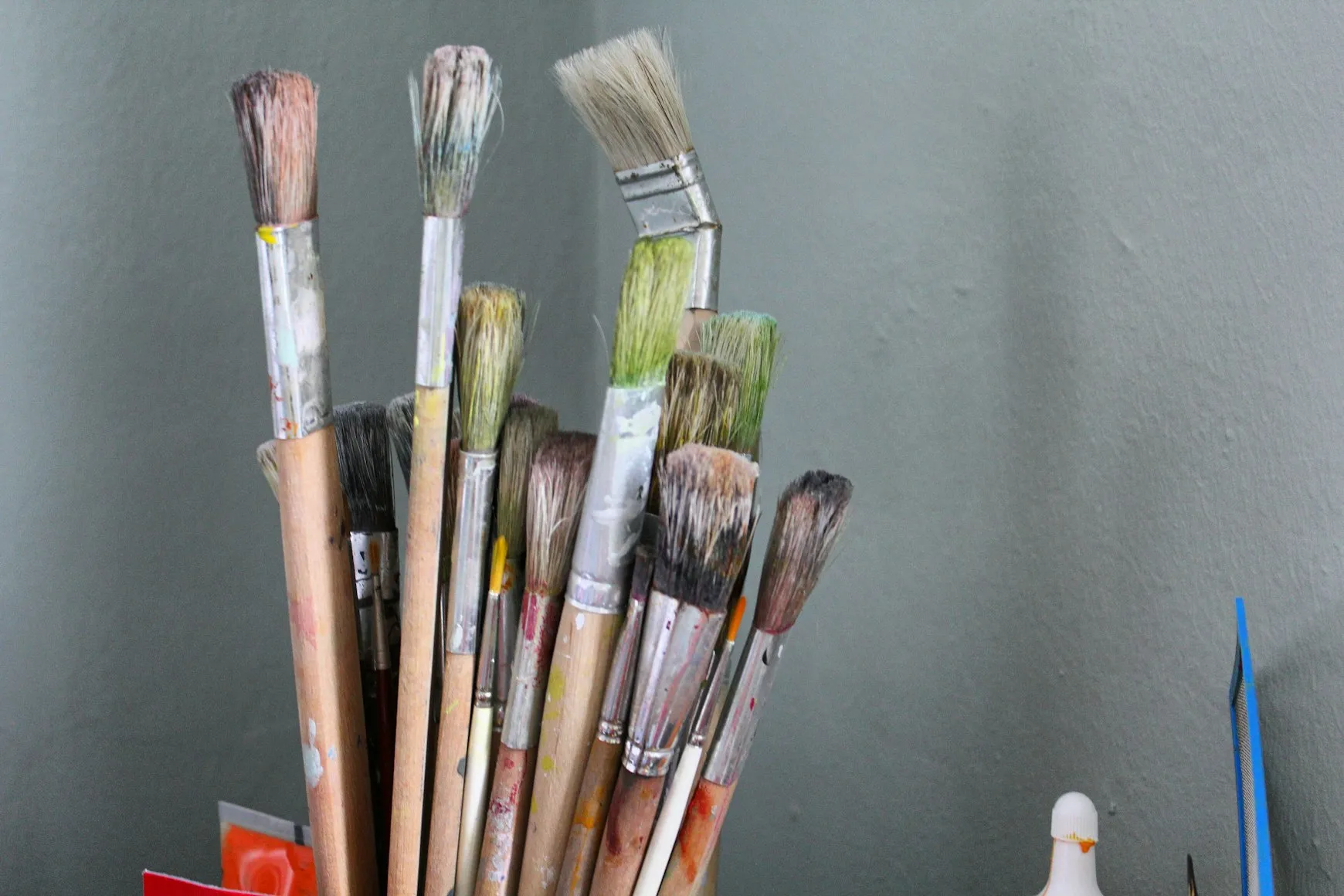
When selecting a paintbrush for your home improvement projects, it's essential to understand its components and how each part contributes to the painting process. A paintbrush consists of the handle, ferrule, and bristles. Each part has a specific role in delivering the perfect finish.
- Handle: Typically made from wood or plastic, the handle provides grip and control. Ergonomically designed handles can reduce fatigue during extended use.
- Ferrule: This metal band holds the bristles in place. A high-quality ferrule ensures durability and prevents bristle shedding.
- Bristles: The type, length, and stiffness of bristles determine their suitability for different paint types and surfaces.
Types of Bristles and Their Uses
Natural Bristles
Natural bristles are made from animal hair, such as hog or badger. They are excellent for oil-based paints, varnishes, and stains due to their ability to hold more paint and provide a smooth finish. However, they are not ideal for water-based paints as they absorb water, causing them to become limp.
Synthetic Bristles
Synthetic bristles, typically made from nylon or polyester, are versatile and can be used with both water-based and oil-based paints. They maintain their shape over time and are easy to clean. These bristles work well on trim and detailed work, where precision is key.
Blended Bristles
Blended bristles combine natural and synthetic fibers to leverage the advantages of both materials. They offer flexibility for various painting tasks and often provide excellent paint pickup and release properties.
Choosing the Right Brush Size
The size of the paintbrush affects coverage area and control. Selecting the correct brush size is crucial for achieving a professional finish.
- 1 to 2 inches: Ideal for detailed work such as window frames, corners, and edges.
- 2.5 to 3 inches: Suitable for general-purpose painting on flat surfaces like doors and cabinets.
- 4 inches or larger: Best for large surface areas like walls and ceilings where coverage speed is more important than precision.
Selecting Paintbrush Shapes
Paintbrushes come in various shapes, each suited to different applications:
- Flat Brushes: Provide even coverage on flat surfaces, making them perfect for broad strokes on walls and ceilings.
- Angular Brushes: The angled edge allows for precise cutting-in around corners and trim work.
- Round Brushes: Excellent for intricate detailing and decorative techniques such as faux finishes.
Practical Tips for Paintbrush Maintenance
Proper maintenance extends the life of your paintbrushes and ensures consistent results:
- Clean brushes immediately after use with the appropriate solvent (water for latex paints, mineral spirits for oil-based paints).
- Avoid soaking brushes for prolonged periods, which can damage the bristles.
- Store brushes hanging or lying flat to prevent misshaping.
A Mini-Framework: Paintbrush Selection Workflow
This practical framework will help you consistently choose the right paintbrush for any project:
- Step 1: Identify your paint type (oil-based or water-based) to choose the appropriate bristle material.
- Step 2: Assess the project's scope to determine the optimal brush size and shape.
- Step 3: Consider ergonomic factors like handle comfort if you'll be painting for extended periods.
- Step 4: Ensure you have the proper cleaning supplies to maintain your brushes post-use.
Conclusion: Mastering Your Paintbrush Choice
The right paintbrush is an invaluable tool in achieving flawless finishes in your home improvement projects. By understanding the nuances of bristle types, sizes, shapes, and maintenance, you can select tools that enhance your work quality and efficiency. Whether you're a seasoned DIY enthusiast or a first-time painter, these insights will equip you with the knowledge needed to make informed choices, ensuring every stroke contributes to a professional-looking result.