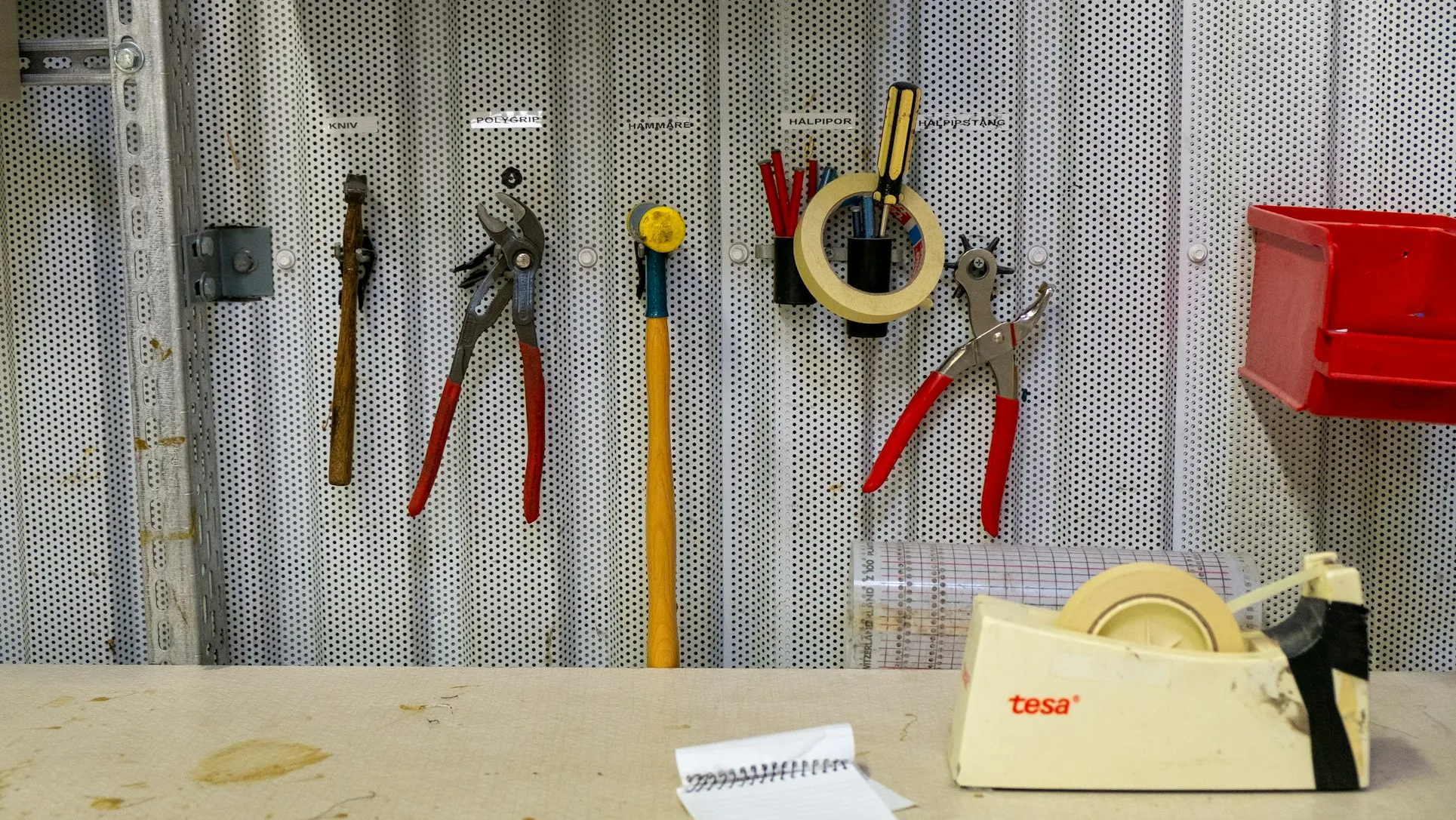

The Essential Dilemma: Hand Tools vs. Electric Tools
When embarking on a home improvement project, one of the first decisions you’ll face is whether to use hand tools or electric tools. Each option has its own set of advantages and drawbacks, making the choice highly dependent on the specific needs of your project and your own skill level. Understanding these differences can help you make informed decisions that maximize both efficiency and effectiveness.
The Precision and Control of Hand Tools
Hand tools offer a level of precision and control that can be particularly beneficial in projects requiring delicate work. Tools like manual saws, hammers, and screwdrivers allow you to exert a level of finesse that is sometimes difficult to achieve with their powered counterparts. This makes them ideal for intricate woodworking projects or when working in tight spaces where a powered tool may not fit.
- Pros: Greater control over the work process, lower cost, no reliance on power sources.
- Cons: Physically demanding, generally slower than electric tools, requires more skill for consistent results.
For instance, when repairing antique furniture, the gentler approach provided by hand tools can prevent further damage to the piece. Moreover, hand tools are invaluable for those seeking to develop their craftsmanship skills, as they demand a higher degree of manual dexterity and attention to detail.
The Efficiency and Power of Electric Tools
Electric tools are designed to perform tasks with speed and minimal physical effort. From drills to electric saws, these tools are indispensable for large-scale projects where time is a critical factor. They excel at repetitive tasks such as driving screws or cutting through dense materials quickly.
- Pros: Significantly faster operation, reduced physical strain, highly efficient for large tasks.
- Cons: Higher cost, dependency on electricity or battery life, potential safety risks if not used properly.
A classic example where electric tools shine is in constructing a backyard deck. The repetitive nature of drilling and fastening can be completed in a fraction of the time compared to using hand tools. Additionally, the uniformity in results delivered by power tools can often lead to better-looking finishes.
Matching Tools to Projects
Your choice between hand and electric tools should be guided by the nature of your project. Here are some scenarios to consider:
Small-Scale and Detail-Oriented Projects
If your project involves detailed craftsmanship or repairs where precision is key—such as installing intricate moldings or performing delicate cabinetry work—hand tools might be your best bet. Their ability to offer subtlety and control surpasses what most electric tools can provide.
Large-Scale Construction and Renovation Tasks
For larger tasks involving extensive cutting or assembling, like building furniture from scratch or installing flooring, electric tools offer unmatched speed and ease. In such scenarios, the power and efficiency of an electric drill or circular saw become indispensable.
Skill Levels: Assessing Your Proficiency
Your familiarity with tools also plays a crucial role in this decision-making process. Beginners might find hand tools more intuitive as they offer direct feedback and are often safer to experiment with. However, with proper training and precautions, electric tools can become equally manageable and significantly expand what you can accomplish.
Beginner DIY Enthusiasts
If you’re new to home improvement projects, starting with hand tools can be an excellent way to learn the basics. They allow for gradual skill development without overwhelming complications that power tools might introduce.
Experienced Craftspersons
For those who are confident in their skills and looking to take on ambitious projects, incorporating electric tools can be a game-changer. They can help you execute complex tasks more swiftly, thereby saving time for perfecting the details with your hand tools later on.
Safety Considerations
No matter which type of tool you decide to use, safety should always be your top priority. Always adhere to the following guidelines:
- Wear appropriate safety gear such as goggles, gloves, and ear protection as needed.
- Ensure your workspace is clean and organized to avoid accidents.
- Follow all manufacturer instructions for both hand and power tools.
Conclusion: Making the Right Choice for You
The choice between hand tools and electric options ultimately boils down to your specific needs and preferences. Consider the scale and intricacy of your project, assess your skill level honestly, and prioritize safety above all else. By carefully weighing these factors, you’ll be well-equipped to choose the right tool for any home improvement task at hand.