Setting the Foundation for Successful DIY Projects
Embarking on home improvement projects can be both exciting and daunting, especially for beginners. Having the right materials at your disposal is crucial for ensuring that your DIY ventures are successful and sustainable. Whether you’re planning to paint a room, install shelving, or revamp your kitchen, starting with the essentials will save you time and headaches down the road.
The Importance of Quality over Quantity
One common mistake among new DIY enthusiasts is the tendency to overbuy or purchase low-quality materials in an attempt to save money. While it may seem cost-effective initially, cheap materials often lead to subpar results and frequent replacements. Investing in quality from the outset not only enhances the durability of your projects but also ensures safety and aesthetic appeal.
Choosing the Right Paint
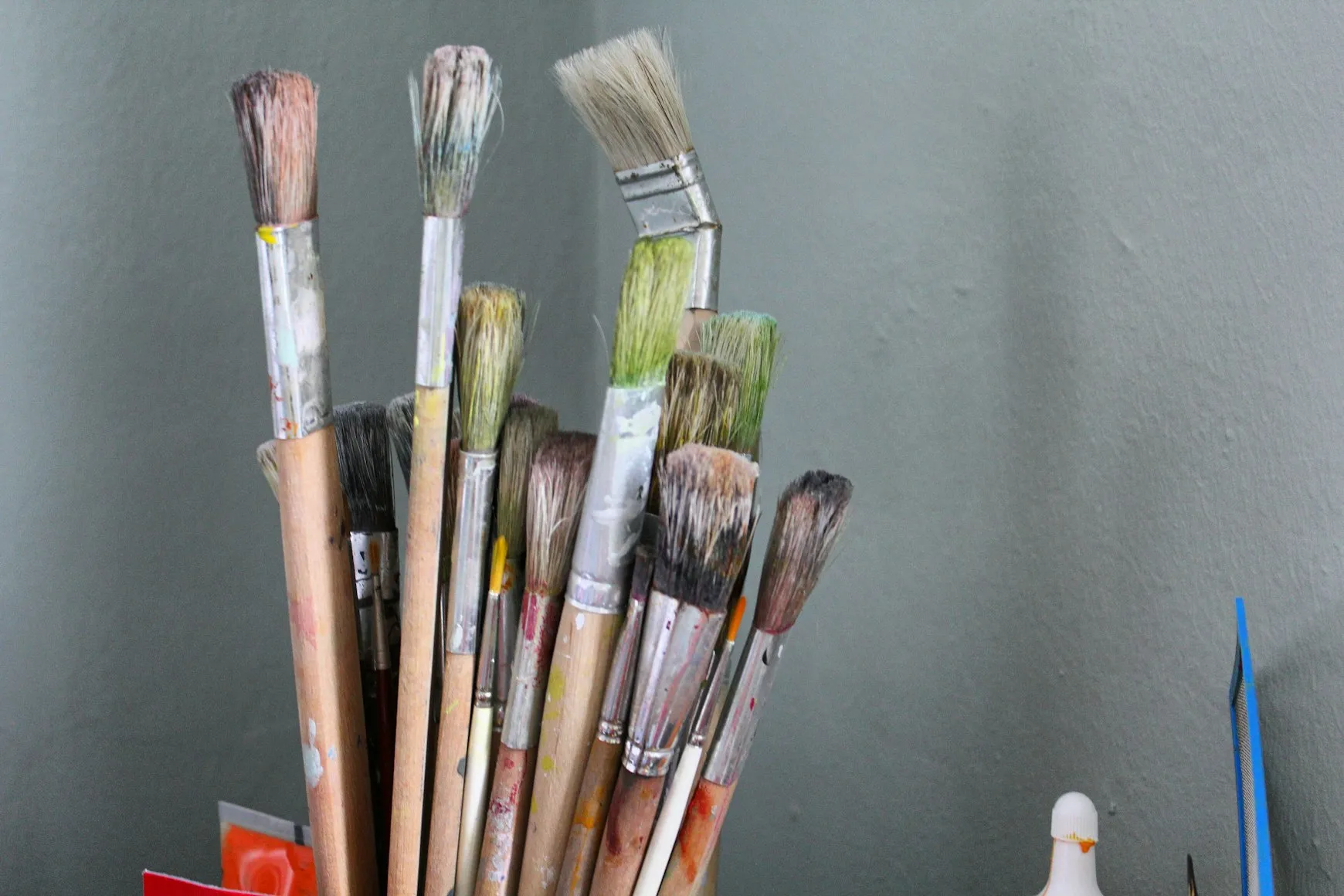
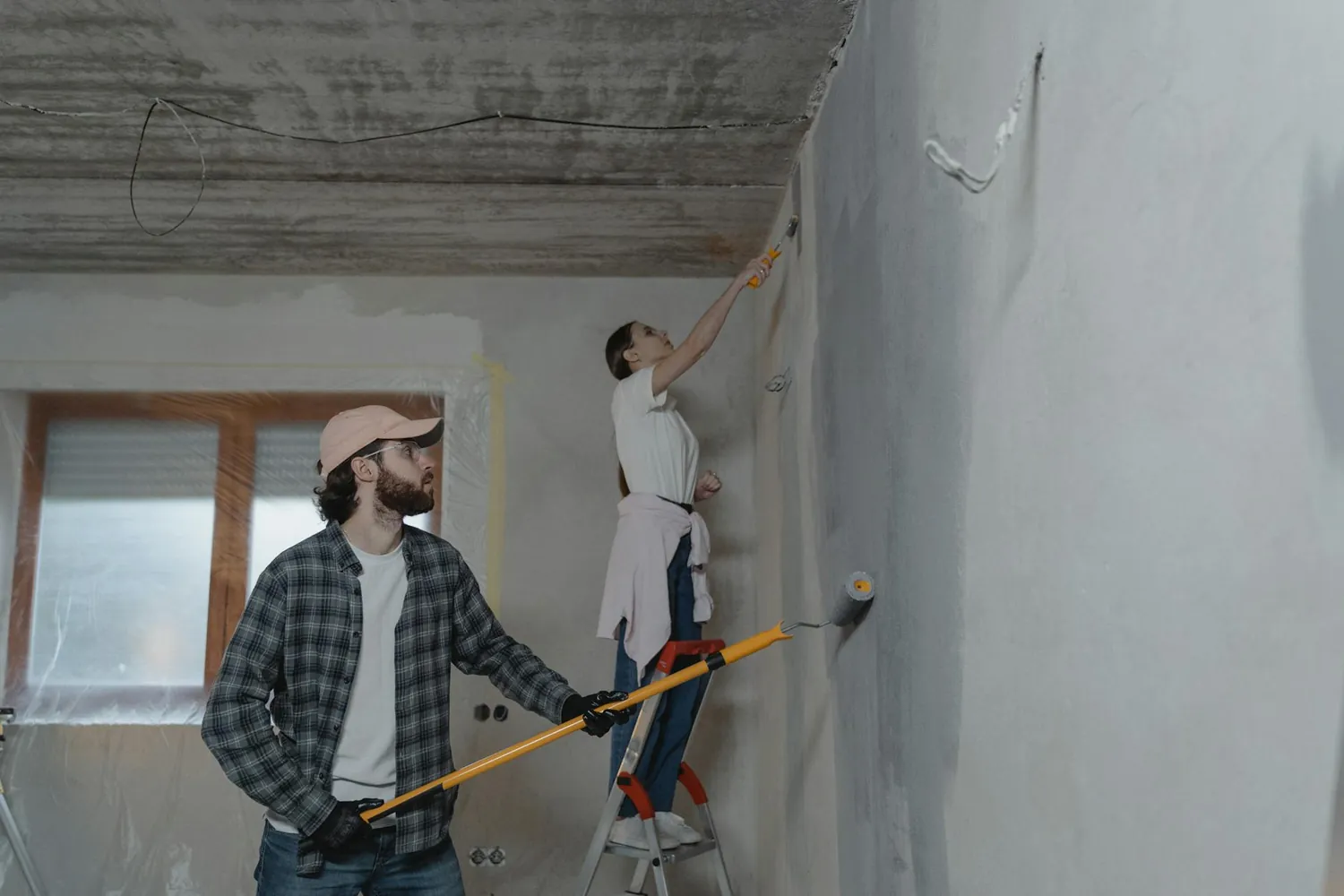
Paint is perhaps one of the most versatile materials in home improvement. Here are a few tips to guide you:
- Finish Matters: Choose the right finish based on the room's function. Flat finishes are great for ceilings and low-traffic areas, while satin or semi-gloss works well in kitchens and bathrooms due to their moisture resistance.
- Color Selection: Test paint samples on small sections of your wall before committing. Lighting can dramatically alter how a color appears.
- Quality Brands: Opt for reputable brands known for their coverage and longevity. A good paint might cost more upfront but will require fewer coats and last longer.
Basic Toolkit Essentials
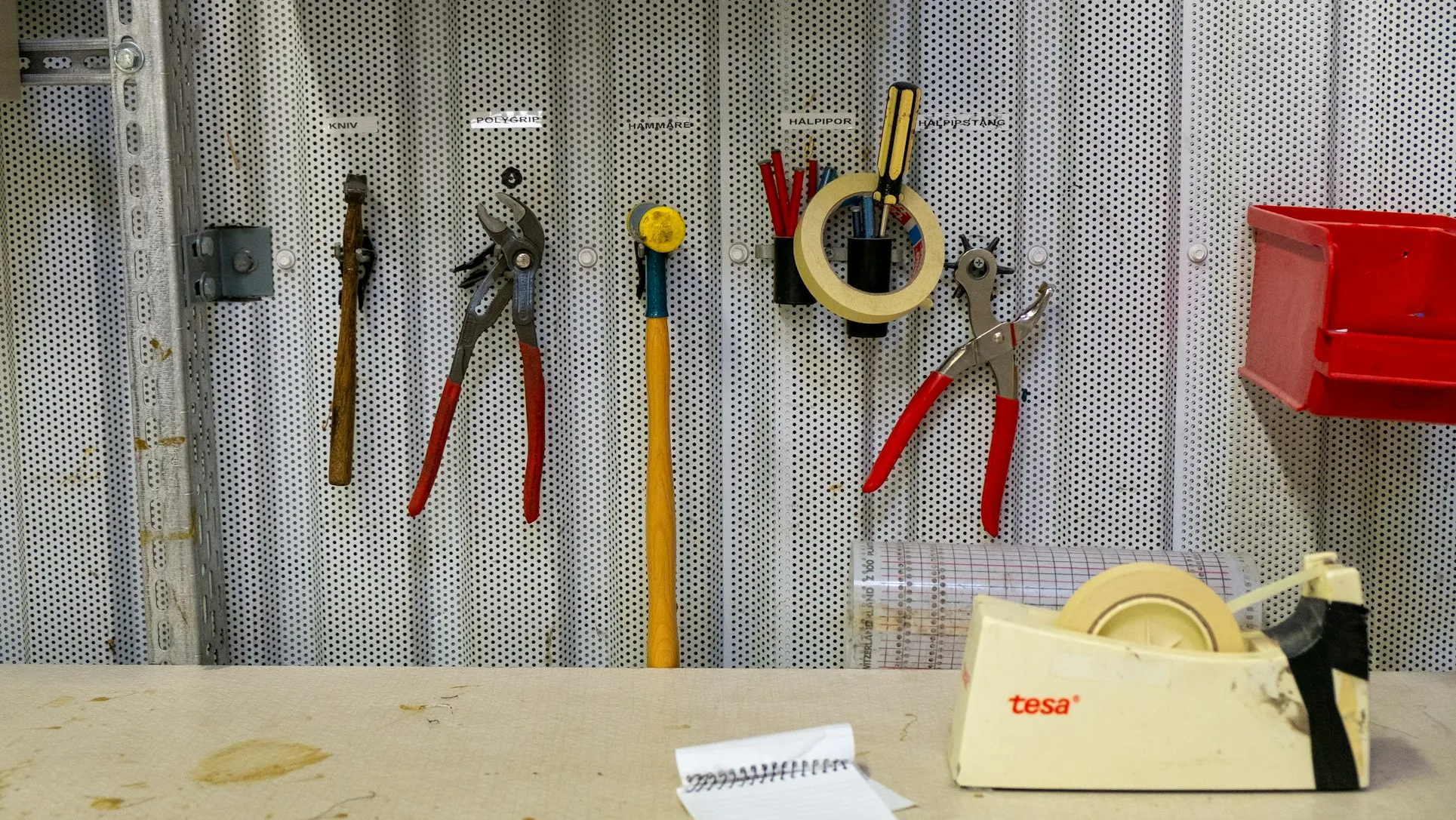
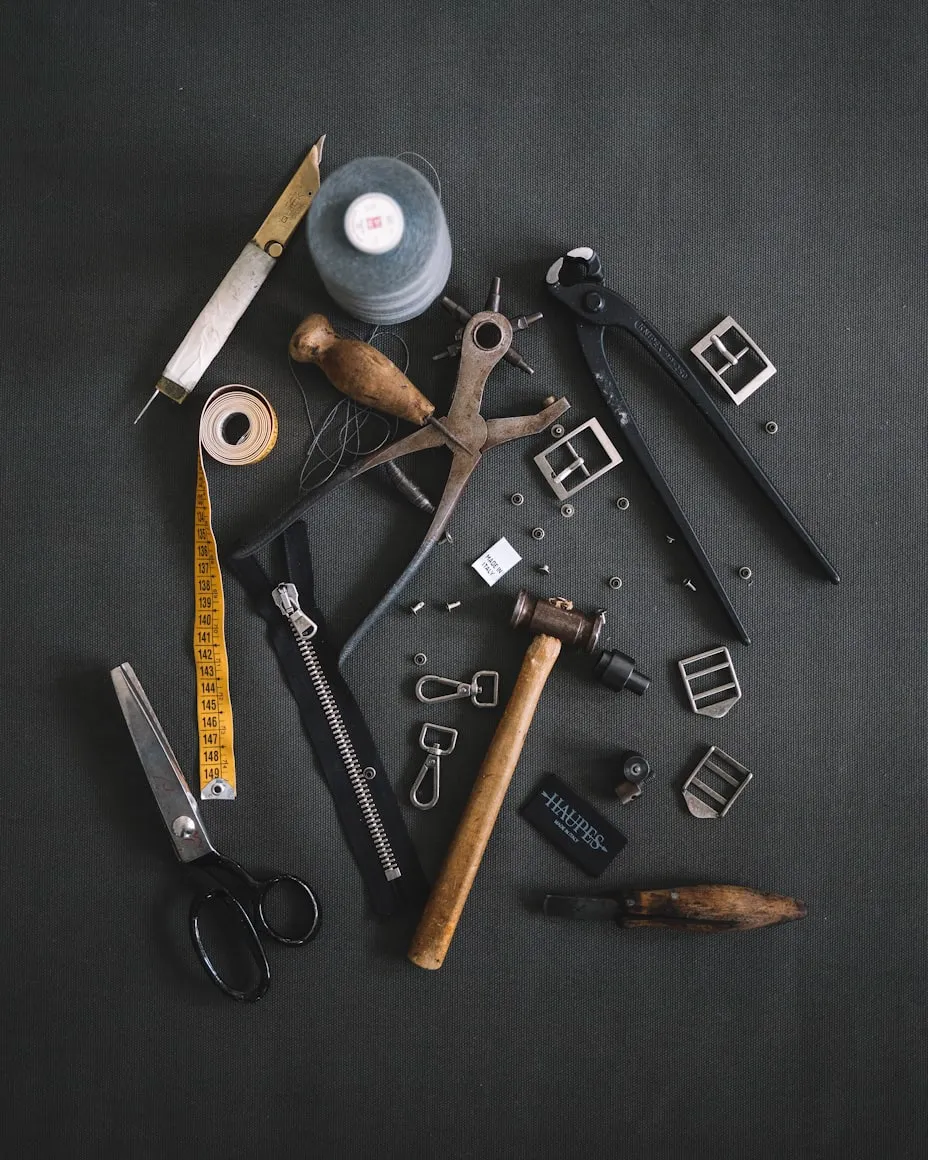
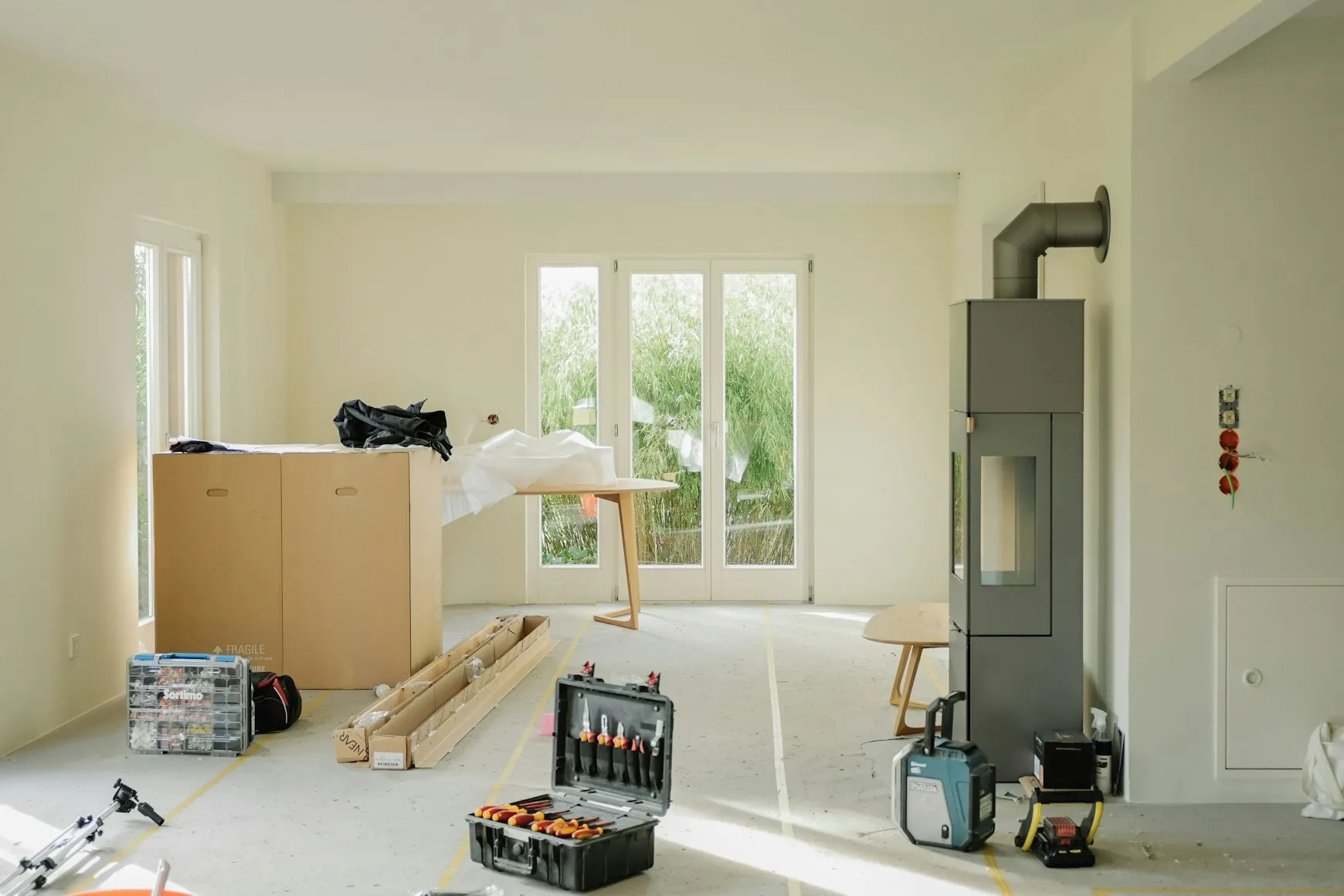
A well-stocked toolkit is indispensable. Here’s what every new home improver should consider having:
- Measuring Tape: A 25-foot tape measure will cover most needs from furniture layout to hanging art.
- Screwdrivers: A set that includes both Phillips and flat-head screwdrivers in various sizes is crucial.
- Hammer: A 16-ounce claw hammer can handle tasks ranging from carpentry to demolition.
- Level: Ensures that your pictures, shelves, and installations are perfectly aligned.
- Pliers: Needle-nose and adjustable pliers are versatile for gripping and twisting tasks.
Woodwork Basics: Plywood and MDF
If you’re planning on undertaking woodworking projects, understanding your materials is key:
- Plywood: Stronger than MDF, plywood is ideal for structural projects like shelving or cabinetry. Look for high-grade sheets for smoother finishes.
- MDF (Medium-Density Fiberboard): This is perfect for decorative projects or furniture pieces that won’t bear much weight. It offers a smooth surface for painting and finishes.
Navigating the World of Fasteners
Screws, nails, bolts, and anchors are small components that make a big impact:
- Screws: Use screws with appropriate lengths and thread types for wood, drywall, or masonry applications. Self-tapping screws are handy for metal and hard surfaces.
- Nails: From finishing nails for trim work to galvanized nails for outdoor projects, choosing the right type ensures durability.
- Anchors: Wall anchors are essential for securing heavy items like shelves and TVs to drywall or plaster.
The Right Adhesives and Sealants
Adhesives and sealants can often be overlooked but play vital roles in ensuring long-lasting results:
- Wood Glue: Ideal for woodworking projects. Ensure it is water-resistant if used outdoors or in damp environments.
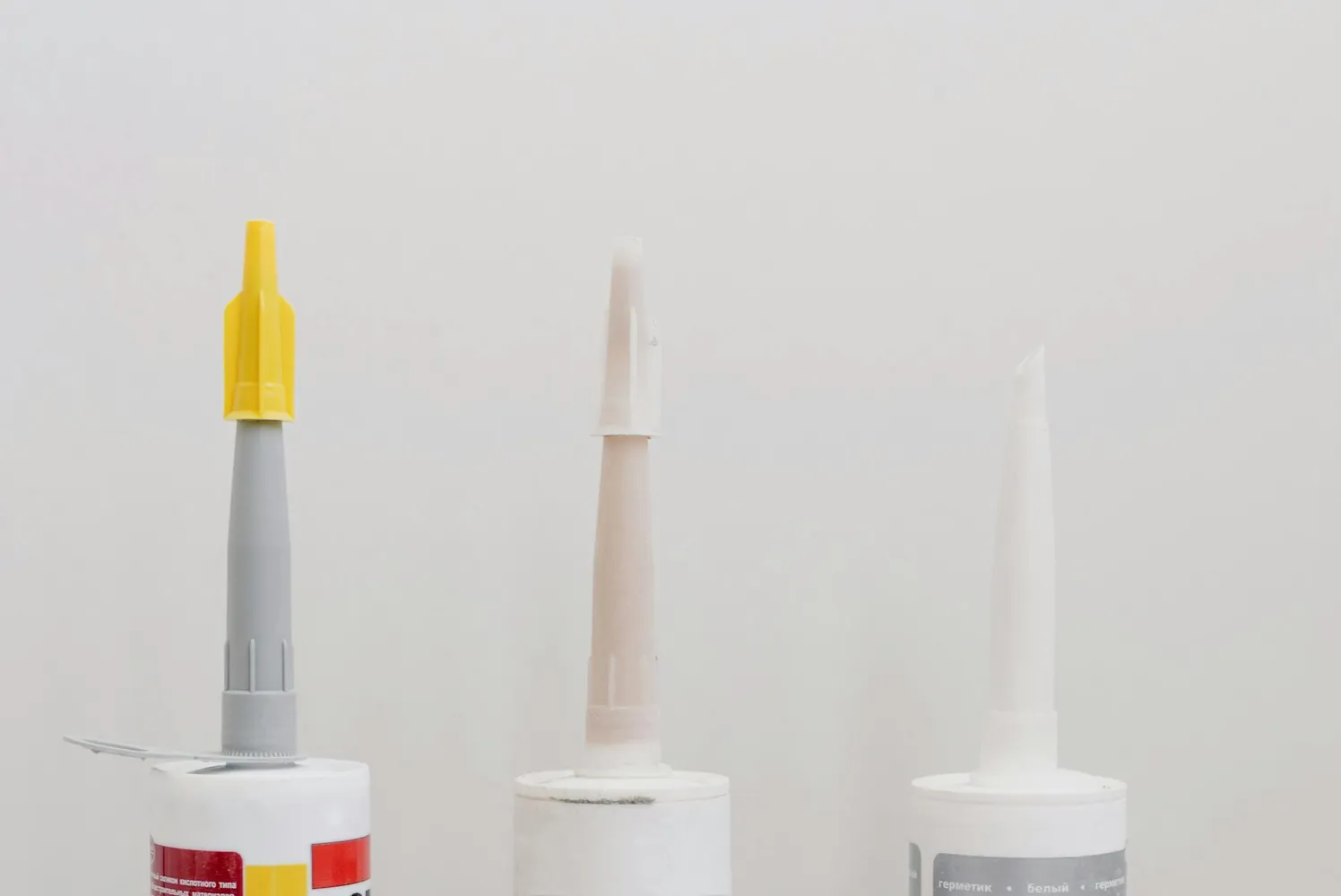
- Caulk: Silicone-based caulks are best for bathrooms and kitchens due to their resistance to mold and mildew.
- Construction Adhesive: Perfect for bonding heavy materials such as stone or brick.
A Practical Guide: Selecting Materials Without Breaking the Bank
Being budget-conscious doesn’t mean sacrificing quality. Here are a few tips to keep costs manageable without compromising on results:
- Plan Thoroughly: Outline your project scope clearly. Over-purchasing is often due to inadequate planning.
- Purchase Strategically: Look out for sales, clearance items, or end-of-line discounts at local hardware stores.
- Reuse and Recycle: Sometimes the best materials come from other projects or reclaimed wood. It's both eco-friendly and cost-effective.
Conclusion: Starting Your Journey as a DIY Enthusiast
Diving into DIY home improvement is a fulfilling journey that enhances both skills and home aesthetics. With careful selection of essential tools and materials, even the most ambitious projects become manageable. As you gain confidence, you’ll learn which materials work best for you, allowing creativity to thrive without financial strain.