Why Personal Protective Equipment Matters
When embarking on any home renovation project, whether a minor touch-up or a major overhaul, personal safety should always be a top priority. Wearing the right personal protective equipment (PPE) can prevent accidents and injuries, making your DIY endeavors safer and more enjoyable.
Understanding the Basics of PPE
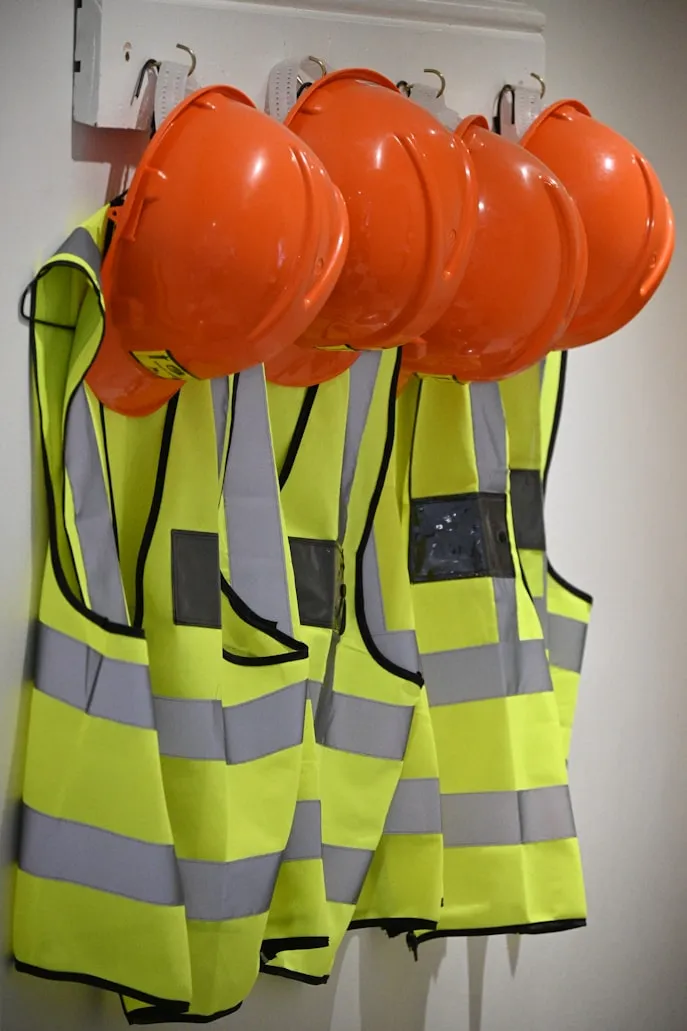
PPE refers to wearable equipment designed to protect you from hazards. This can include anything from safety goggles to protect your eyes from flying debris, to gloves that guard against cuts and chemicals, and masks that filter out harmful dust and fumes.
The Essential Gear for Every Home Renovation Task
- Safety Goggles: Protect your eyes from dust, debris, and accidental splashes. When sanding wood or cutting tiles, goggles are a must.
- Gloves: Depending on the task, you might need different types of gloves. For general tasks, durable work gloves provide basic protection. For electrical work, insulated gloves prevent shocks.
- Masks and Respirators: A simple dust mask may suffice for many tasks, but for working with toxic materials like certain paints or when removing mold, a respirator with a proper filter is essential.
- Earmuffs or Earplugs: Protect your hearing when using loud power tools like saws or drills.
- Knee Pads: Essential for tasks involving prolonged kneeling, such as installing flooring.
- Steel-toed Boots: Protect your feet from heavy objects or punctures.
The Trade-Off Between Cost and Protection Level
Investing in PPE is investing in your health and safety. However, it's crucial to balance cost with the level of protection required. High-quality PPE can be more expensive, but it often provides better durability and protection.
Cost-Effective Strategies
For those on a budget, consider purchasing PPE items incrementally or focusing on the most critical equipment first. Additionally, compare reviews and brands to find reputable products that offer good value.
Examples of PPE in Action
Sanding and Painting
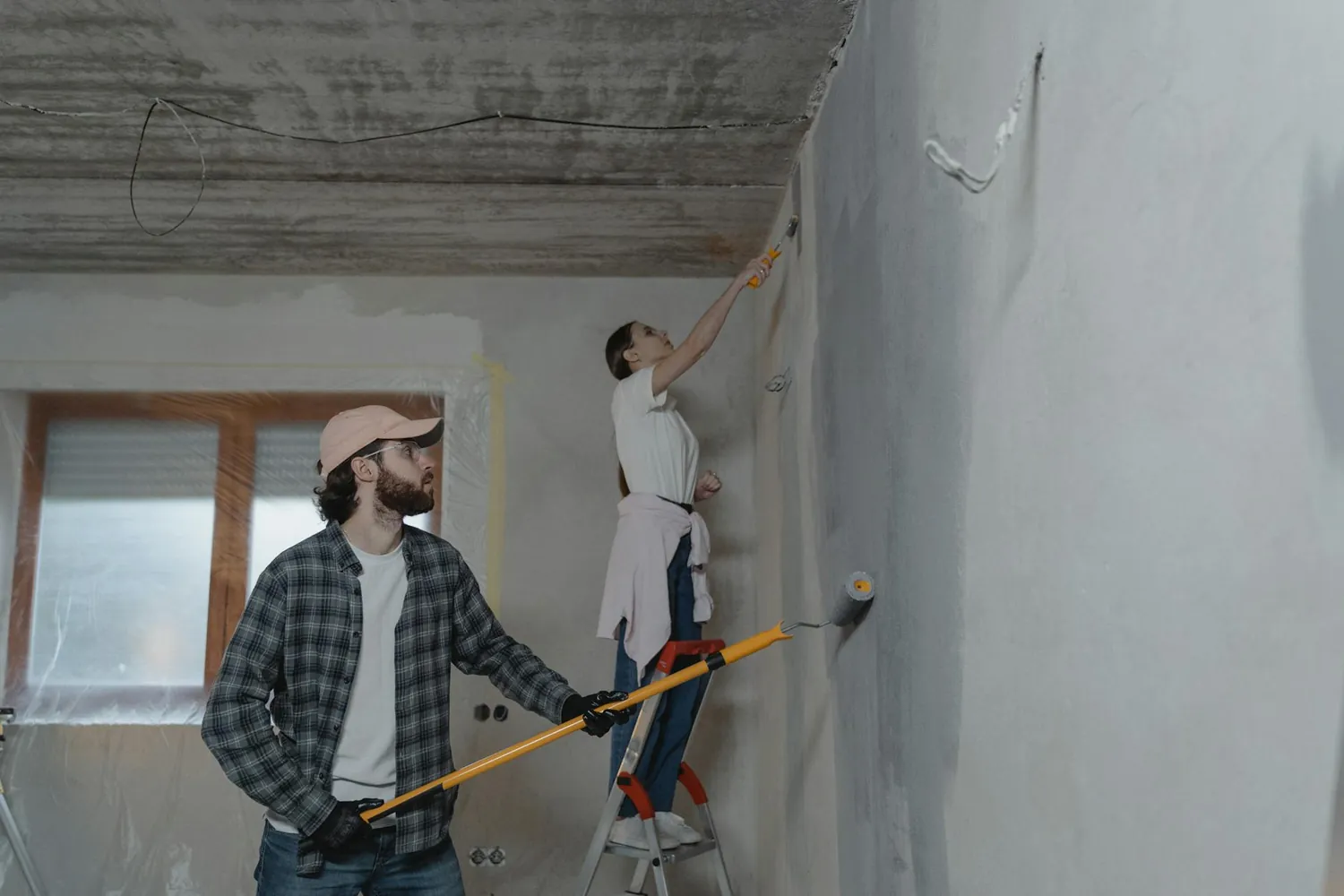
When sanding old paint off walls, tiny particles can become airborne. Using safety goggles and a high-quality dust mask will help protect your eyes and lungs from harmful dust. Opt for a mask with an N95 rating for effective filtration.
Tiling and Grouting
Handling sharp tiles poses cut risks. Durable gloves are essential here. When mixing grout, the chemicals can irritate your skin and lungs; hence gloves and masks are critical.
Building Your DIY PPE Kit: A Practical Framework
Create a personalized PPE kit tailored to your renovation projects. Here’s how:
- Assess the type of tasks you'll be doing: Determine the specific risks involved in each task.
- Select versatile PPE: Choose equipment that can be used across multiple projects to maximize utility.
- Check for certifications: Ensure your PPE meets safety standards (e.g., ANSI for goggles).
This method ensures that you're prepared for any situation without unnecessary expenditure.
Maintaining Your PPE
PPE effectiveness depends on its condition. Regularly inspect your gear for wear and tear. Replace damaged or worn-out items immediately to ensure continued protection.
Cleaning Tips
- Follow manufacturer instructions for cleaning to avoid damaging the materials.
- Avoid sharing PPE to prevent hygiene issues.
Conclusion
PPE is an essential component of safe home renovation. While there is a cost involved, consider it an investment in your long-term health and productivity. By selecting the right gear and maintaining it properly, you can safely tackle any project with confidence.