The Great Debate: Cordless vs. Electric Tools in Home Improvement
When it comes to home improvement, choosing the right tools is as essential as the skills themselves. The ongoing debate between cordless and electric tools revolves around their respective advantages in portability and power. Each type has unique strengths that make them suitable for different projects and environments. This article delves into these factors to help homeowners make informed decisions.
Understanding Cordless Tools
Cordless tools are powered by rechargeable batteries, offering a level of mobility that their electric counterparts cannot match. Their design caters to convenience, making them ideal for projects where flexibility and ease of movement are critical.
Portability and Convenience
Cordless tools are celebrated for their portability. For example, consider a homeowner looking to install shelves in multiple rooms. A cordless drill allows them to move freely between locations without needing to find power outlets or manage long extension cords. This freedom is particularly beneficial in older homes with fewer electrical sockets or outdoor projects far from any power source.
Advancements in Battery Technology
Recent advancements in battery technology have dramatically improved the lifespan and efficiency of cordless tools. Lithium-ion batteries, for instance, offer longer run times and more power than older models. However, it's important to note that battery life can still be a limitation, especially for extensive projects that require continuous operation. Investing in spare batteries or rapid chargers can mitigate downtime, ensuring that work proceeds smoothly.
Case Study: Building a Deck
Imagine you're building a deck in your backyard—a perfect scenario to exploit the advantages of cordless tools. The absence of cords allows you to move freely across the structure without tripping hazards. Additionally, working outdoors highlights another benefit of cordless options: reduced dependence on weatherproof extension cords that might otherwise be necessary for electric tools.
The Power of Electric Tools
While cordless tools boast portability, electric tools are renowned for their consistent power output, making them indispensable for heavy-duty tasks.
Uninterrupted Power Supply
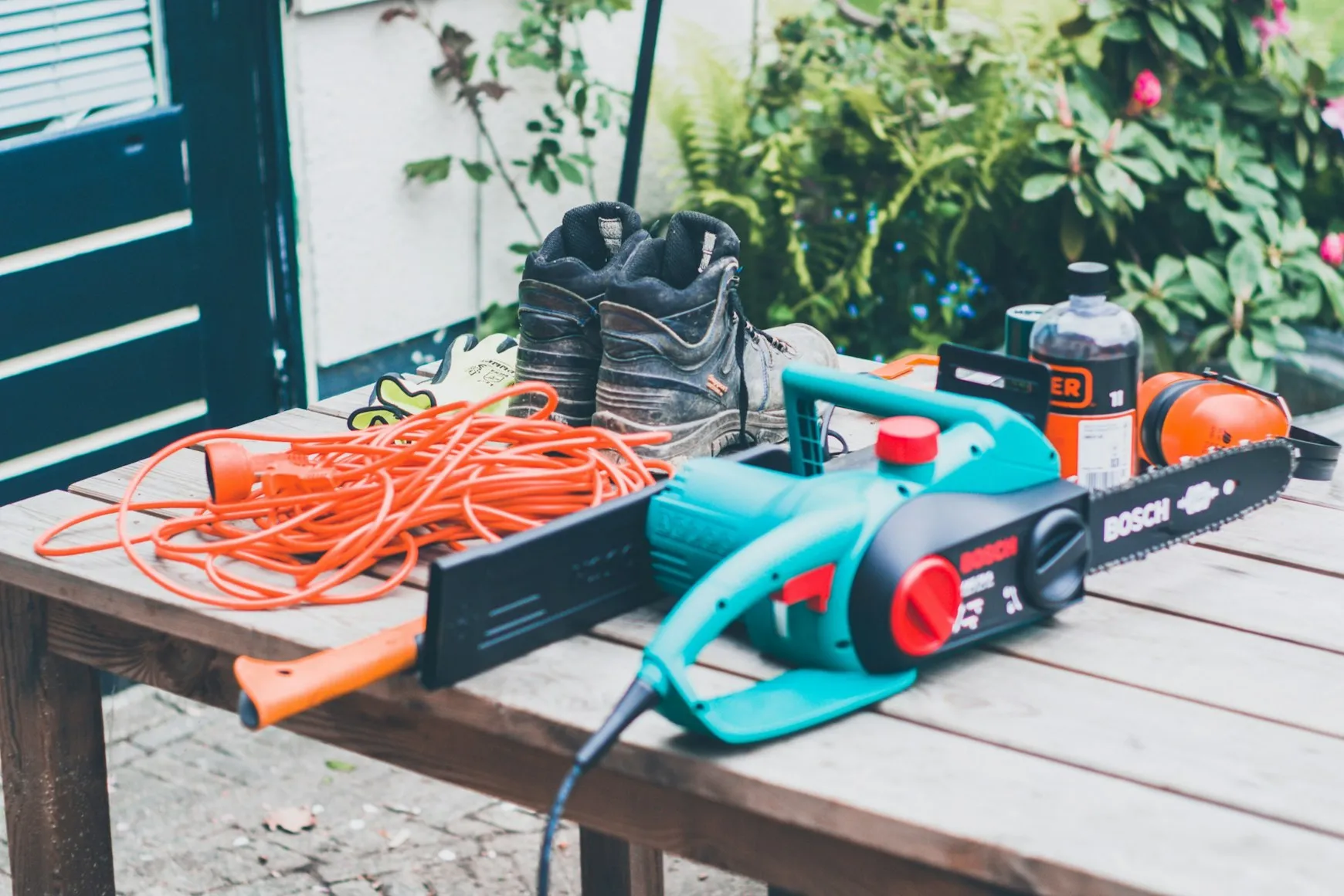
Electric tools offer the advantage of an unlimited power supply, which means they do not suffer from downtime due to battery depletion. For instance, when using a corded circular saw for cutting lumber during a major renovation project, you won't have to pause the work waiting for batteries to recharge. This reliability is crucial for tasks demanding sustained power over long periods.
Higher Torque and Performance
In many cases, electric tools deliver higher torque compared to their cordless equivalents, making them suitable for heavy-duty applications like cutting through thick materials or mixing dense compounds. Electric drills, for instance, often provide the extra muscle needed for drilling into concrete or masonry—a task where cordless drills may struggle.
Case Study: Renovating a Kitchen
Consider a comprehensive kitchen renovation that involves cutting countertops and drilling into concrete floors. Here, the constant power supply and superior performance of electric tools will significantly enhance efficiency and output quality. The reduced weight—since there are no batteries—also makes them easier to handle during prolonged use.
Factors Influencing Your Choice
Your decision between cordless and electric tools should consider several key factors:
- Project Scale: Small, quick projects might benefit more from cordless convenience, while larger tasks may require electric reliability.
- Location: Consider whether the project is indoors or outdoors, and how accessible power sources are in each setting.
- Budget: While cordless tools often have a higher initial cost due to battery expenses, electric tools can incur ongoing costs associated with extension cords and potentially higher energy consumption.
Practical Tips for Homeowners
Here are some practical tips to help you navigate your choice:
- When purchasing cordless tools, check if they come with additional batteries or chargers, or consider buying an extra battery pack to avoid interruptions.
- If opting for electric tools, invest in high-quality extension cords that can safely handle the tool's power requirements.
- Maintain batteries by storing them at room temperature and charging them properly according to manufacturer guidelines.
The Final Decision
The choice between cordless and electric tools ultimately hinges on the specific needs of your home improvement projects. Cordless tools offer unmatched flexibility and convenience for smaller or more mobile projects, while electric tools bring relentless power and consistency essential for heavier tasks. Understanding these key distinctions ensures that your home improvement ventures are executed efficiently and effectively, tailored to the unique demands of your environment.